Sosialistisk Folkeparti (The Socialist Party) was formed in Norway. You know, the people that a lot of Americans think are the devil. With evil men and women like Bernie Sanders and Alexandria Ocasio-Cortez running their mouths about how they want a better life for all Americans.
How dare they! That country has worked so hard, for so many years, to make it a haven for the rich. And now some people have the audacity to say that this should change?! All jokes aside though. To watch this unfold over there is just…I don’t even have a word for it. I don’t wanna be political here so I’m just gonna leave it, but good luck Americans.
September 6 saw the birth of Judas Priest drummer Scott Travis and A-Ha’s Pål Waaktaar-Savoy. David Mustane from Megadeath was born on September 13, and James Gandolfini was born on the 18th.
THE ALBUMS
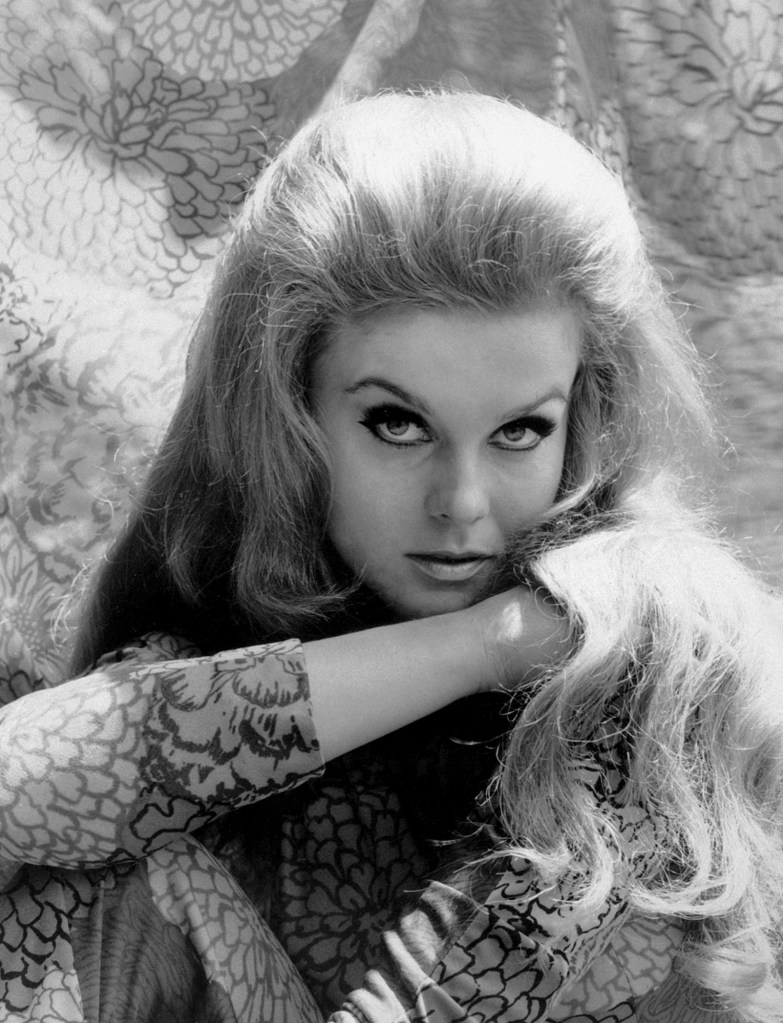
Ann-Margret, a Swedish-American singer/actress, releases her debut album «And Here She Is». RCA Victor, her record company, tried to bill her as the female Elvis Presley, but she only had minor success in the ‘60s. The album doesn’t really portray her as an Elvis type, but more like a female crooner if you ask me. It put my infant to sleep pretty quickly, so I guess it got that going for it. And I think it’s pretty boring as well. She did star in quite a few movies, so she’s probably more successful in that part of her career.
Tony Bennett was, from what I understand, in one of his least successful periods of his career, and the album «My Heart Sings» is not really worth mentioning.
IDA COX & THE COLEMAN HAWKINS QUINTET – BLUES FOR RAMPART STREET
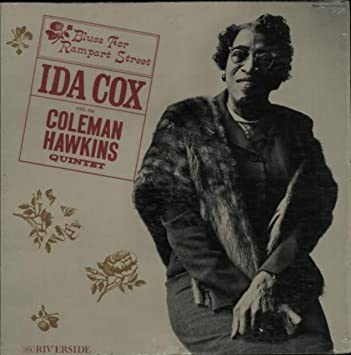
Ida Cox, The Uncrowned Queen of Blues, was at the height of her career in the roaring twenties and reached her pinnacle in 1930. She recorded a massive amount of music for Paramount back then, and she toured the country with her tent revue “Raisin’ Cain” which became widely popular. At the end of the decade, when the Great Depression hit, things slowed down a bit for her, but she held on until 1945 when she disappeared from the music world.
But in 1959, a record producer/musician/music journalist called John Hammond placed an ad in Variety Magazine in search of her. And after locating her he convinced her to make another recording. That’s where we are now. Cause in 1961, 15 years after her last session, she recorded and released «Blues For Rampart Street». Her ‘’final statement’’ as she referred to it herself.
The album contains songs from her repertoire, and there are some gems here, like Wild Women Don’t Have The Blues. I kinda like her voice as well, and when it comes to blues I believe she does a mighty fine job at it. This might not be the best album ever, but she deserves the billing as «The Uncrowned Queen of Blues».
JOHN COLTRANE – AFRICA/BRASS
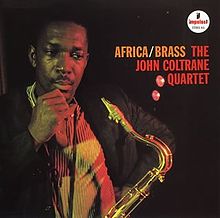
Funnily enough, John Coltrane has been playing his tenor saxophone since 1949 with the likes of Dizzy Gillespie and Jimmy Smith, but it wasn’t until he joined Miles Davis in ‘55 that he was brought to notice. And not because he was amazing, but because people didn’t understand why Miles chose him. Compared to Miles’ sensitive playing, John sounded crude and awkward, and for that Miles received criticism. I guess Coltrane should be happy that it was Davis that got the stick and not him, but it was also generally acknowledged that John’s ideas were first-rate.
He soon became the most in-demand hard bop tenor in New York, and in 1957 he appeared on no less than 21 important recordings and enjoyed a brief association with Thelonious Monk. Later that same year he moved to Philadelphia, eventually found what was to become his ’classic’ quartet, and started to develop his own music.
«Africa/Brass» is Coltrane’s first album on his new label, Impulse! Records. Impulse bought his contract from Atlantic Records, making Coltrane’s record deal the best contract a jazz musician had ever received since Miles Davis’ contract with Columbia. The album consists of three pieces, and together with his usual players he also brought a backing band. I haven’t dived into Coltrane’s back catalog yet, so I need to trust what I read elsewhere, and from what I’ve read this album is quite different from what he has done, and from what he will do after this. But I kinda like it. I guess the third piece Blues Minor is the one that speaks to me the most. Probably because Africa is a bit more chaotic, and Greensleeves a bit more tedious. But all in all, this is a pretty good jazz album.
CONWAY TWITTY – THE ROCK & ROLL STORY
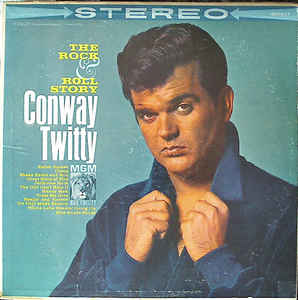
It wasn’t until I read Levon Helm’s biography «This Wheels On Fire» that I knew Conway Twitty used to play rock’n’roll music. Or rockabilly for that sake. I only knew him as a country artist and a pretty dull one at that. I’d seen him pop up in some Family Guy episodes when it seemed like they wanted to bore the hell out of us, and I had an Australian friend who used to walk around with a Conway trucker hat for fun. The hat was just his name, nothing more, and I felt like that was spot on compared to how boring I thought his music was. Anyway, I’m not gonna go on record and say that he is a boring motherfucker just yet, but this is my initial thoughts on Conway Twitty. He’ll get to start with blank sheets right now, and we’ll see if my first impression of him is correct, or if he manages to change it.
Conway Twitty wanted to be a preacher and a baseball player when he was young, but as soon as he heard Elvis’ «Mystery Train» he opted for a career in music. He was signed to Sun Records but didn’t really manage much while on that label. The only significant contribution was writing the song Rockhouse which became a minor hit for Roy Orbison. In 1957 he started calling himself Conway Twitty as he and his manager stuck pins in a map and the pairing of a town in Arkansas with a town in Texas led to that name. His birth name is Harold Lloyd Jenkins, and I guess Conway Twitty has a better ring to it.
Prior to this album he had some hits with songs like Story Of My Love, Danny Boy, Lonely Blue Boy, C‘est Si Bon, and also a great B-side, called one of the ‘great unknowns’ by a few, Make Me Know You’re Mine. And of course, his first #1 hit from 1958, It’s Only Make Believe. This one is actually on this album as well, which is funny because the album consists of covers of major rock’n’roll hits from the late ‘50s. But I mean, he’s not wrong by adding this one to the tracklist.
What I can take from this album is that rock’n’roll suits Conway pretty well. He’s got a great rockabilly twang to his voice, and his energy is on point throughout. But I don’t know how to react to all these cover songs. Jailhouse Rock, Great Balls Of Fire, Shake, Rattle And Roll, and Blue Suede Shoes. What am I supposed to do with cover versions of these songs? Like, he does them justice, but they almost feel like straight-up copies. It’s cool to hear Conway in another genre than what I’m used to, but the album won’t move any mountains.
It seems like no one really knows when John Lee Hooker was born, just that he was born somewhere between 1910 and 1920. Most believe it’s 1917, but no one is really sure. At 14 (I guess) he ran away from home and never really looked back. He’s been playing music ever since, and now, thirteen years after his first recording Boogie Chillen’, “The Folk Lore of John Lee Hooker” is released. I’m not convinced, so I’ll let this one slip past me.
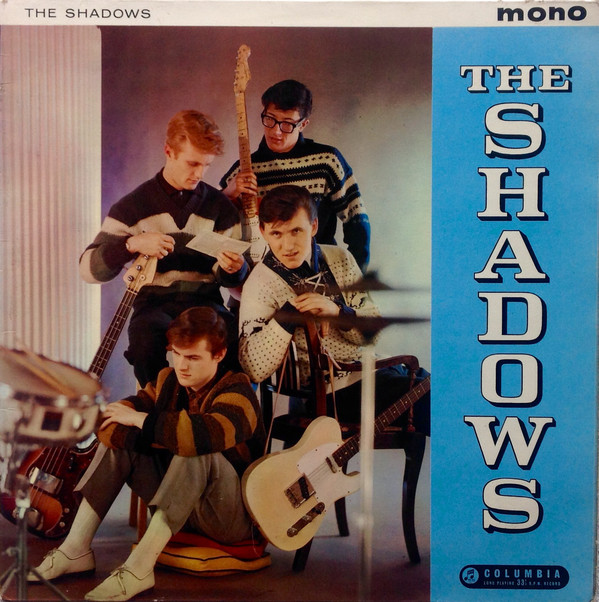
THE SHADOWS – THE SHADOWS
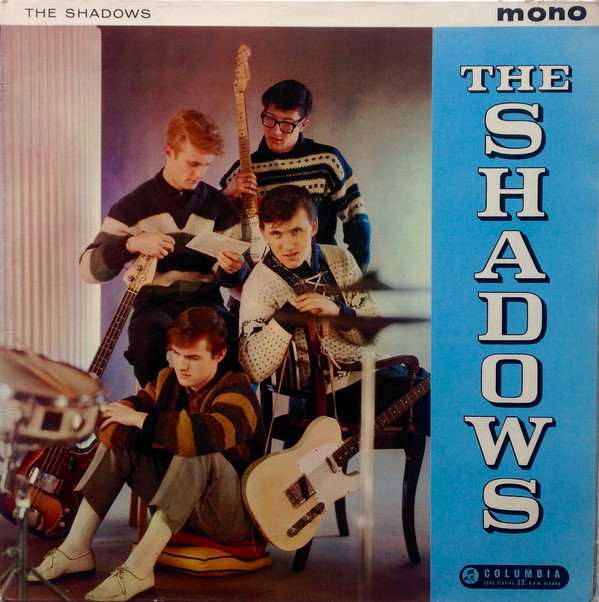
The Shadows has been Cliff Richards’ backing band since somewhere in the ‘50s, and late in that decade they started to branch out to become an instrumental-rock group. It’s easy to think that since they are playing with Cliff they can’t be that cool, but they’ve already proved that they got what it takes with hits like Apache and F.B.I.. But they aren’t rock’n’roll as we’ve come to know it, they are indeed a rock group from the early ‘60s. So it’s not like they are a lot cooler than Cliff, but they most definitively are cooler.
This is the debut album from the band and it’s fair to say that it is better than the last instrumental record I wrote about (The Ventures). But I’ve always struggled with instrumental music, and The Shadows does not change that. I like the singles I’ve written about earlier, but when there’s an entire record to listen to I lose interest pretty quickly. Ok, this album isn’t actually all instrumental, but that doesn’t really change the fact that it’s no more than adequate. They do a version of All My Sorrows (with vocals) and it’s nothing special. I mean, the song is great in itself, but they don’t even sound like The Shadows while doing it.
I can’t really pick out any highlights on this one, but some songs are better than others. They’re just not awesome enough to create a spark.
JOAN BAEZ – VOL. II
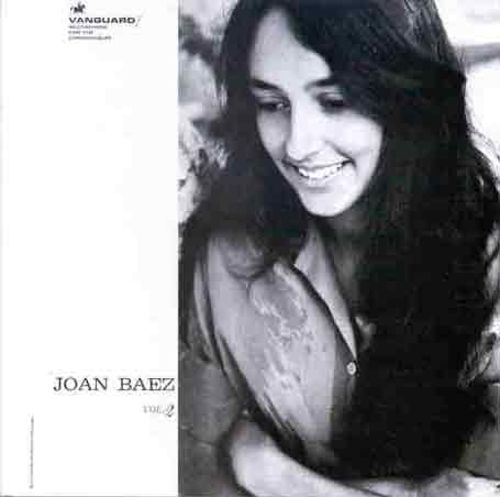
A symbol of the early-‘60s folk revival, Joan Baez was young, sincere, gifted, and committed to traditional songs and social action. She would enchant the people with her sparsely arranged traditional folk material, and as her debut album showed, she was pretty damn good at it. But how does one follow up on such a great debut? I’ve seen so many artists over the years just disappear after a good first record. But that obviously doesn’t happen with Joan.
This album, like the first one, is a collection of classic folk songs interpreted by Joan Baez. Her beautiful guitar picking, her amazing voice, and her relaxed approach make this record a true pleasure to listen to. I’m not acquainted with any of these songs but they seem like they were written just for Joan to play them. It’s just a magnificent folk record.
Two albums so far and she’s excelled on both of them. It doesn’t take a genius to understand that there is a real gem in the making here. Joan will lead the way for many artists and I can’t wait for her next move. But for now, I’m gonna listen to this album at least once a day for a while.
THE SINGLES
James Dean’s distant cousin, Jimmy Dean, released his biggest hit this month. Back in ’53, he had his first hit, Bumming Around, followed by some minor ones. After that he hosted a radio show called “Town and Country Time” before he ended up on television hosting first “The Morning Show”, and then “The Jimmy Dean Show”. But it was with this song, Big Bad John, that he became best known. It’s a kind of country song I guess. Even though it’s just Jimmy talking and telling a story about a big miner called John who eventually dies way down there in the mines. It’s not what I would call a hit song, but if it ends up as #1 on the charts, that’s what you get to call it.
Wanda Jackson continues her country career with the song In The Middle of A Heartache. It’s pretty dull, but it doesn’t put any shame on her. It will be her third, and last, song to breach into the Top 40 on the pop charts, and will end up as her highest charting single on the country charts, stopping at #6. Skeeter Davis, one of the first women to achieve major stardom in country music (according to Wikipedia), released a song called Optimistic, but it doesn’t make me feel it. Rick Nelson falls short with his song A Wonder Like You.
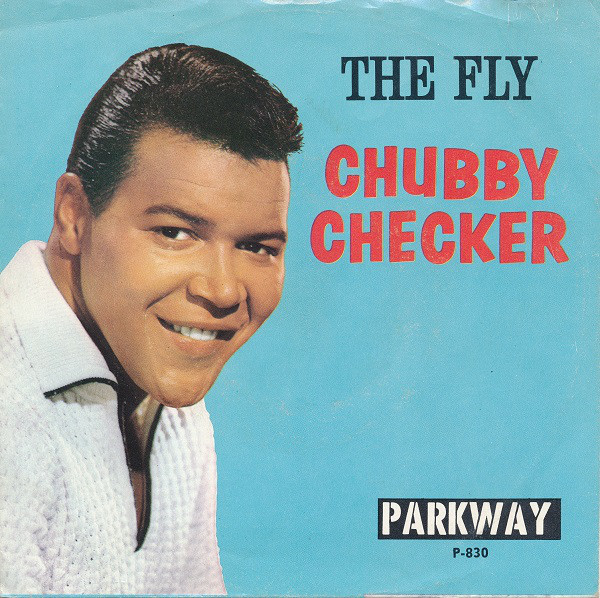
Chubby Checker continues his song and dance with another song about a dance. It’s getting old pretty quick if you ask me, but that’s not what they thought back then. This song was a hit as well. The song is called The Fly and it’s supposedly another dance craze, not that I can even begin to imagine what that dance looks like, but hey, I’ve never really danced anyway. The song reminds me of the two other songs I’ve written about from ol’ Chubby, and that’s a good reason it’s starting to sound old. The buzzing sound, which is supposed to be a fly, is incredibly annoying, and it sounds more like a buzz saw.
Tower of Strength is the second Gene McDaniels song I’ve encountered, and this one is by far the better one. That’s not really a proof of quality though, cause the last one was not very good. The Shadows releases another one of their hits, Kon Tiki, which is the name of the boat Thor Heyerdahl used on one of his expeditions. Dion‘s Runaround Sue is finally released (7 months after I first wrote about it…), and it’s a great song still. Dick Dale & His Del-Tones pumps out a pretty cool instrumental song called Let’s Go Trippin’. Dick is called “The King of Surf Guitar” and he pioneered a genre that Beach Boy Brian Wilson and others would soon bring to fruition. This is not Dick’s first single, but it is the first to chart. A great instrumental song that is definitively worth checking out! Sandy Nelson is the last one to release an instrumental song this month, and it was called Let There Be Drums. A pretty cool surf-style song piece that is a duet between the drums and the guitar.
Helen Shapiro released the joyful Walking Back To Happiness, and I have to admit that it’s pretty hard to not smile while listening to this song. It’s not a classic in the sense that some other songs are, but it still works, so it has to have something to it, right? I also had no idea it was Shapiro who sang this one, and it actually surprises me that it is, cause what I’ve heard from her up to now has been very different. The Shirelles are back as well with their new single Big John. It doesn’t surprise me that they deliver another song that swings.
Aretha Franklin delivers both a great A-side and a B-side with Rock-A-Bye Your Baby with a Dixie Melody/Operation Heartbreak. Both showcase how good Aretha is, and at least Operation Heartbreak broke into the R&B Top 10. Franklin is definitively on track!
THE CHARTS
Billboard Top 10 Singles Chart
Week 1 (September 4, 1961)
- Michael – The Highwaymen
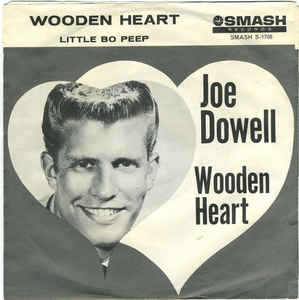
- Wooden Heart – Joe Dowell
- Tossin’ and Turnin’ – Bobby Lewis
Week 2 (September 11, 1961)
- Michael – The Highwaymen
- Take Good Care Of My Baby – Bobby Vee
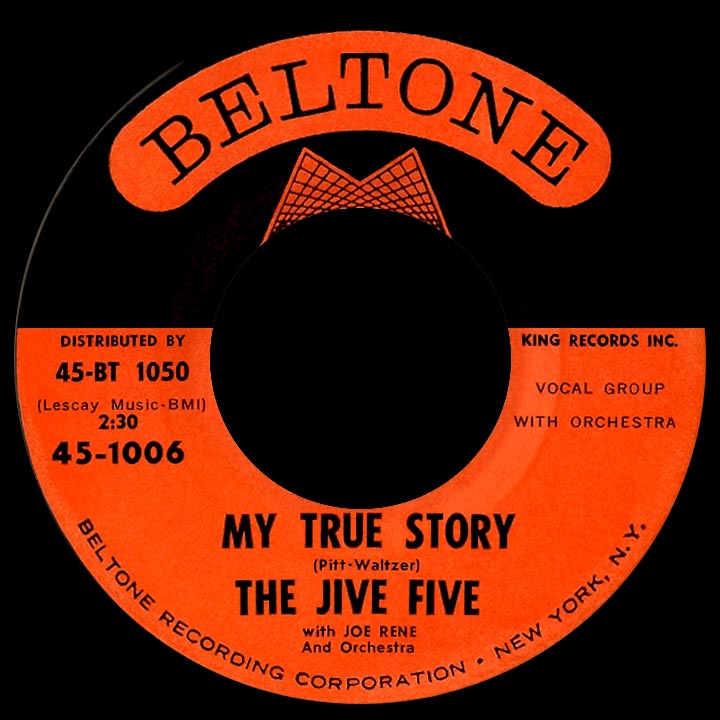
- My True Story – The Jive Five
Week 3 (September 18, 1961)
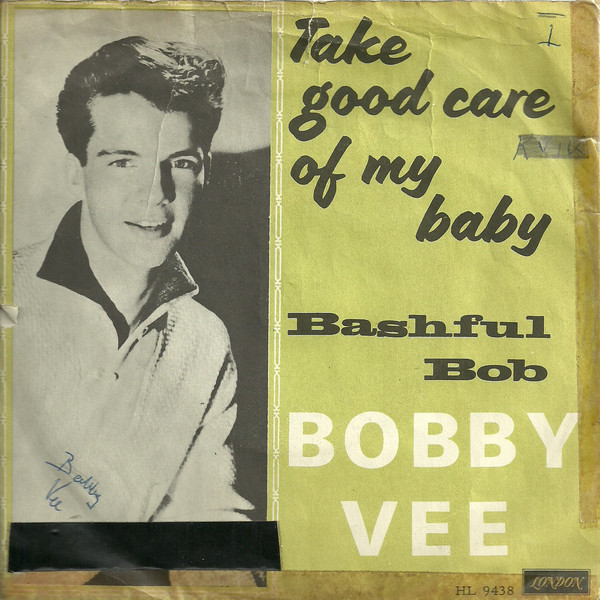
- Take Good Care Of My Baby – Bobby Vee
- Michael – The Highwaymen
- My True Story – The Jive Five
Week 4 (September 25, 1961)
- Take Good Care Of My Baby – Bobby Vee
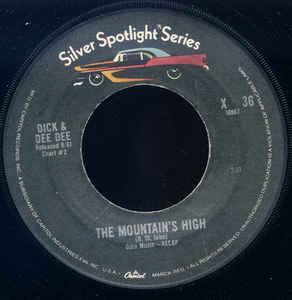
- The Mountain’s High – Dick and Dee Dee
- Michael – The Highwaymen
Who Put The Bomp, a song that everyone knows I presume, hits the Top 10 this month. Barry Mann delivers a song that will live on into the ages, even though it’s kind of a novelty song. This one is pretty cool, and it’s been playing for six decades now, but it will never be called one of the greatest songs ever written. It is a fun song though, and it’s mos def catchy.
The Jive Five shows up with their debut single, and biggest hit, My True Story. The song is perfectly fine, but not a game changer. Johnny Tillotson charts again with a pretty good single called Without You, and Bobby Lewis delivers the last interesting new addition to the Top 10 with One Track Mind.
Petter Milde
This Band Could Be Your Life
 This Band Could Be Your Life