On April 10, Stu Sutcliffe, the original bassist of The Beatles, passed away. He only played with them for a short while, and according to a lot of what I’ve read about him, he wasn’t very good, but that doesn’t mean he is not worth mentioning.
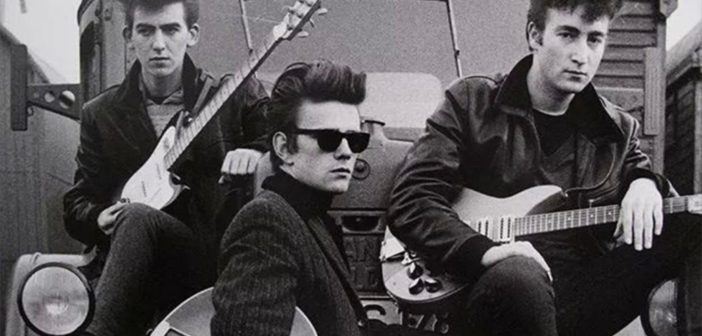
He was the one who came up with the idea to call the band The Beetles, together with John Lennon, he played with them where it all got started down in Hamburg, and he was supposedly a pretty good painter. And that’s what he decided to pursue when he quit the band in July 1961; a painter. He got accepted to a German art school and decided to stay in Hamburg with his girlfriend. But not even a year after that, at the age of 21, he suffered a cerebral hemorrhage and passed away.
On a brighter note; Bob Dylan has already started to record his second Album «The Freewheelin’ Bob Dylan». On April 24 he went to the studio in New York to start working on what was then called «Bob Dylan’s Blues», but luckily that was only the working title. What’s special about this album is that it will contain mostly tracks written by Bob Dylan himself. And that’s pretty fresh considering most artists either record versions of previously released songs or have a songwriting team behind them. So good on you, Bob Dylan.
April also saw the birth of Ian MacKaye, who would grow up to be the singer of legendary Minor Threat and Fugazi.
THE ALBUMS
It’s become standard for me to write about the albums that don’t do anything for me at the beginning of these segments. I could just as easily skip them altogether, but like everyone else, I like to write about stuff that I don’t like as well. And Julie London falls into that category. She’s plain and simple a boring artist, and I guess the only thing that actually speaks in her favor is that her album covers might be a bit sexy. But on this release, «Love Letters», the album photo is just a dull drawing of her face. So now she doesn’t even have that. Throw this album in the gutter somewhere if you ever encounter it, it’s not worth anything anyway.
But I also write about albums that might be good, but that I just don’t have the energy to write more about than necessary. And Freddie Hubbard’s «Ready For Freddie» is one of those. He was (or at least touted as) one of the great jazz trumpeters, but I hadn’t heard of him before this. And the album is actually quite good, but since I’m not a huge jazz fan, it will never really be anything more than ok in my book. There has to be something that tips me over the edge, and I can’t find that on this one.
THE SHIRELLES – BABY IT’S YOU
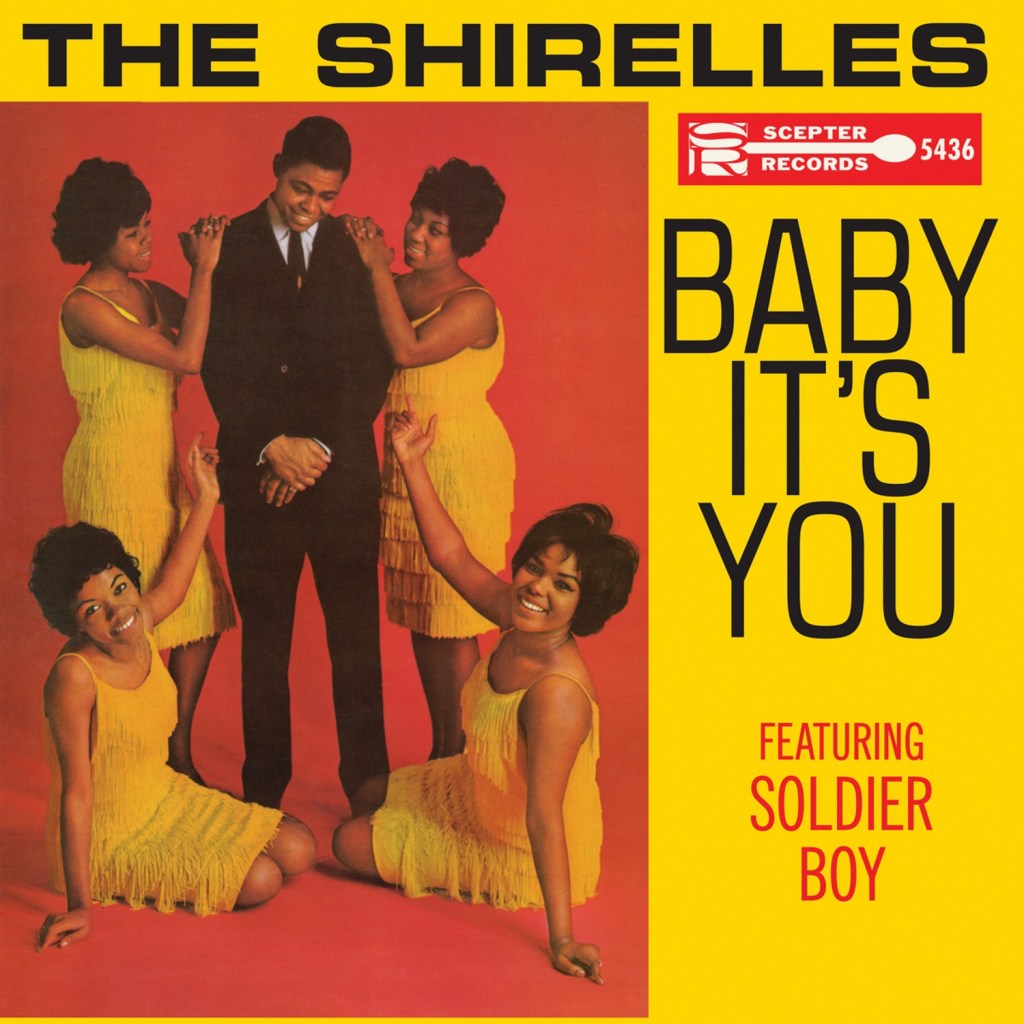
The Shirelles has been covered by artists such as The Beatles and Manfred Mann over the years, and they have duly delivered up until now with singles like Will You Love Me Tomorrow and Mama Said, but this album isn’t really up to the standard that they made for themselves. And according to history, The Shirelles will lose their momentum very soon. They will be left at the bottom of the pile at their record label when their producer and arranger Luther Dixon leaves, and tied to a terrible contract they will struggle there till the end of the deal.
But that’s not yet, and this album is not a casualty of that. The only thing this one is really missing is the big hits. There are a couple of good songs here, like the single Big John (which is actually written by a guy called Big John, with the lyrics ‘’Big John won’t you come on home, ain’t you gonna marry me’’), Baby It’s You, and Putty (In Your Hands). But the rest is just so and so. You’ve got the mandatory twist song Twisting In The USA, The Same Old Story which tricks you into pretending it’s really good but disappoints pretty quickly, and some others.
Considering The Shirelles has impressed me so far in the ‘60s I gotta say «Baby It’s You» is somewhat of a disappointment, but that doesn’t mean it’s all bad.
JOHNNY CASH – HYMNS FROM THE HEART
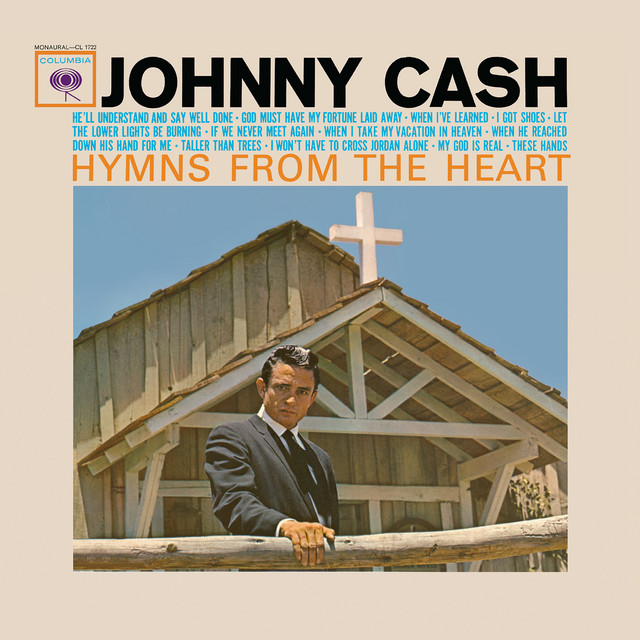
Johnny Cash once said that he was a quarter Cherokee, but later admitted that this was a lie. His ancestors are Scottish, and he believed, to my surprise, in the gospel of Christ. I would never picture this guy, The Man In Black, as a godfearing man. But I guess a lot of Americans are religious for some reason. Even though most of them only follow the religious rules they want to. A pick-and-choose kinda religion. It’s pretty stupid, but what can you do.
So here’s Johnny Cash and his second gospel album. The first was «Hymns» from 1959, he decided to call this one «Hymns From The Heart». And it shouldn’t come as a surprise that I’m not a big fan. First of all, I don’t like people singing about religion (some are excluded from this point of view), and secondly, they are mostly terribly boring. And this album, however awesome Johnny Cash usually is, is not the one that changes my mind. It’s dull like any other gospel album, and the fact that Johnny Cash sounds good doesn’t help at all.
This is probably the first Cash album that I’ll never listen to again.
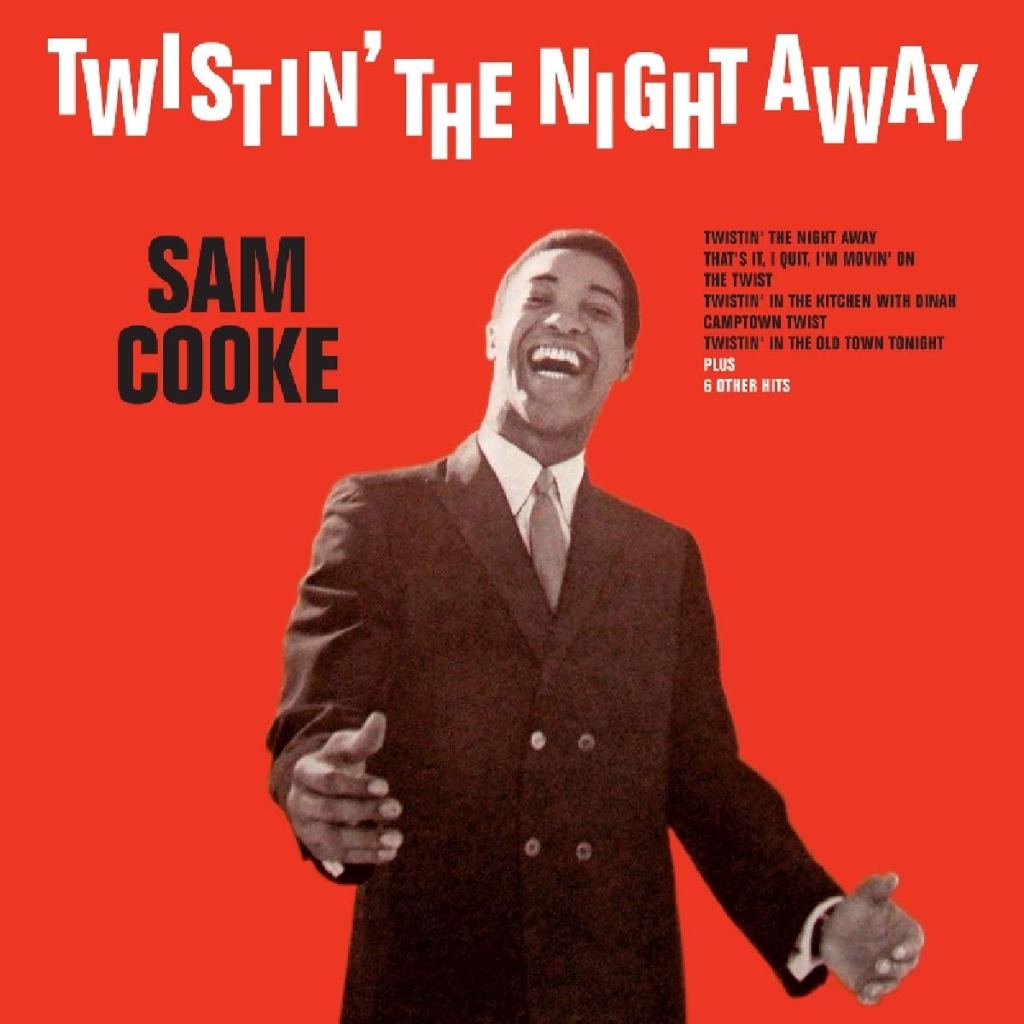
SAM COOKE – TWISTIN’ THE NIGHT AWAY
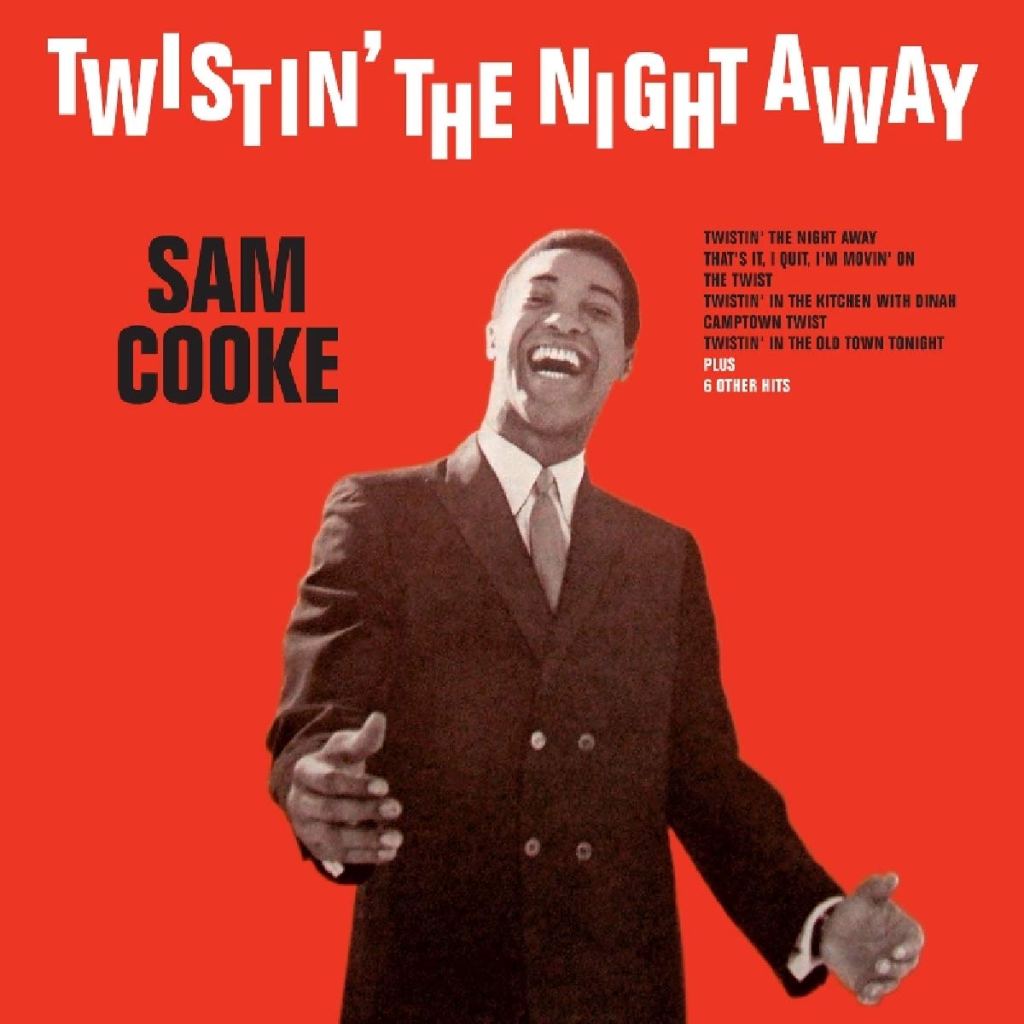
Even Sam Cooke has to get on the twist craze. The only good thing about that is that he does it a whole lot better than anyone else. Funnily enough, this is probably his best record of the ‘60s so far, and that’s a record aimed at the twist craze, which I kinda hate. So I’m a bit confused right now.
Then again, I’ve always known that Sam Cooke is amazing, so the fact that he is the one who manages to make the twist sound cool shouldn’t come as a surprise. He brings a little soul into it and changes the game completely. I’m pretty sure no one will be able to top this twist record, and I’m honestly hoping that no one will as well. Shouldn’t this stop soon? Like, what’s the point in continuing now that Sam Cooke has crushed it?
Anyway, the single, title track, and opening song, Twistin’ The Night Away, might be the best track on the album, but Somebody’s Gonna Miss Me, A Whole Lotta Woman, Sugar Dumpling, and Somebody Have Mercy are great contenders. Some of them are not to-the-bone twist songs, and that’s probably why they are better than the obvious dance craze tracks. He’s also delivering a cover of Hank Ballard’s The Twist, but it’s just ok.
Sam Cooke might be the first (the only) artist who actually delivers a great twist album, and for that, he deserves a lot of credit. So if there ever is a need for this kinda dancin’ music, look no further.
RAY CHARLES – MODERN SOUNDS IN COUNTRY AND WESTERN MUSIC
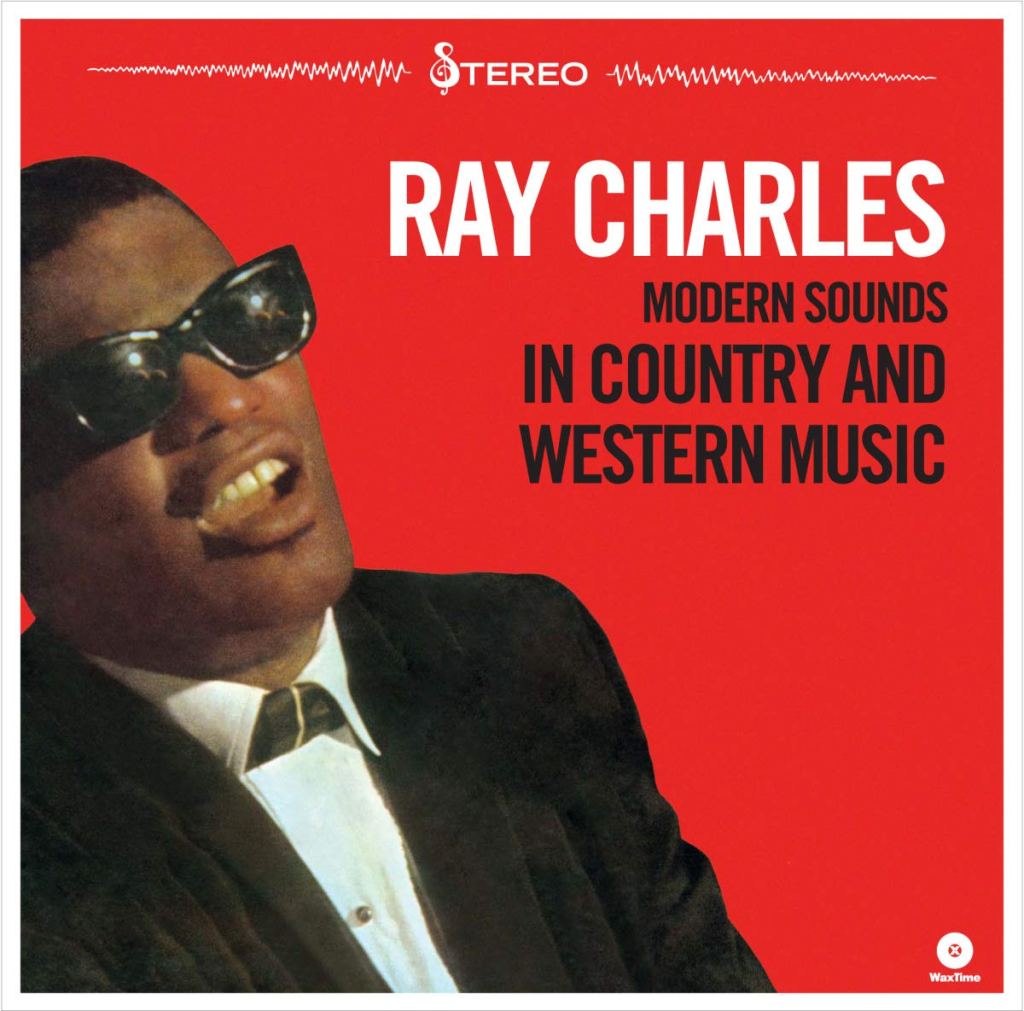
Ray Charles does what he wants on this one, and he’s entitled to do so as well. After leaving Atlantic Records he signed with ABC-Paramount, and the deal was a much better one than what he had. Here he gained almost total artistic freedom, higher royalties, a $50.000 annual advance, and eventual ownership of his masters. This deal represented a big change, I guess especially for black artists, and proof that Ray Charles was taking over the world.
When Ray Charles started pitching the idea for this record, most of his peers was negative to the concept, mostly because of the timing considering the racial segregation and tension in the US at this time, so they felt that making an album of mainly “white music” wasn’t such a good idea. But Ray wanted to see how much artistic freedom he actually had, so he pushed on anyway. Ray always felt that country music and blues music was similar. In an interview with Peter Guralnick, he said: “You take country music, you take black music, you got the same goddamn thing exactly“.
So Ray brought the idea to life, and the record has been lauded ever since. It was a success right from the start and sold to gold, 500.000 copies, already by the end of 1962. It had four hit singles, where the lead, I Can’t Stop Loving You also went gold within 1962. It has been named one of the best records ever made by Time Magazine and Rolling Stone Magazine, in retrospect it has been considered by critics as the best studio record and a landmark in American music, and it challenged racial barriers in popular music at the height of the Civil Rights Movement. It’s hard to argue with all that.
The thing that Ray has done here is that he has taken a good blend of traditional and later country hits, and turned them into songs that fit the popular music of 1962. That means jazz, R&B, pop, and maybe some soul. He has taken each song, together with producer Sid Feller, and changed them into a Ray Charles song. He sings the songs with the original lyrics, but the orchestration, and arrangements are completely different from the originals. He has a big band, and a string section, he hired professional arrangers, but he had total artistic control of everything himself. And the outcome is indeed quite an album.
I haven’t heard all these songs in their original state, but songs like Bye, Bye Love (made famous by The Everly Brothers), Hey, Good Lookin’ (the Hank Williams song), and the hit single I Can’t Stop Loving You (originally recorded and written by Don Gibson) are three that I know from before. And Ray Charles has made it a completely new experience to listen to these tracks, and it sounds amazing. The rest of the album is really good, and there is no doubt in my mind after listening to this record and learning the story behind it, that Ray Charles is one of the true greats in the history of music.
DAVE VAN RONK – FOLKSINGER

It seems like Dave Van Ronk was a mentor of sorts to a young Bob Dylan when Bob moved to New York. Dave was one of the leading artists in the Greenwich Village folk scene in the ‘60s, though he started as a jazz musician in the ‘50s. It wasn’t until he worked with Odetta (I realize that I gotta check out this Odetta person) in 1957 that he got into folk music, and from there, his interest in the blues grew. So his reputation was built on his blues performances and his distinctive voice, but folk music took over when he signed for Folkway Records in 1959.
«Folksinger» is Dave’s fourth studio album and the only one I’ve listened to so far. But after letting this one roll on repeat a couple of times it’s pretty obvious that I would want to check out the earlier ones as well. Cause this is some mighty fine music! The opening song, He Was A Friend Of Mine, is probably my favorite song so far in 1962. It’s a traditional folk song, but since Bob Dylan actually recorded it for his debut album (but ended up not including it), Dave Van Ronk incorrectly credited the song to him. All that aside, Dave does an incredibly passionate and rough version of this song, and I honestly love it.
And so it goes. Just a bunch of well-performed folk songs, sparsely arranged, with Dave’s rough, kinda hoarse, voice and his guitar. Motherless Child, Stackerlee, Poor Lazarus, Samson and Delilah, are all traditional folk songs but sound like they were written here and now in 1962. However, there are also some more novelty-sounding tunes like Mr. Noah, which isn’t very good, and Chicken Is Nice, which I like a lot better.
Dave Van Ronk is a great new find for me, and I’ll probably listen to this one a lot when I’m in the mood for this kind of music. And I’m eager to see where he will take this in the future, and check out what he did in the past.
THE SINGLES
Whenever Brenda Lee releases new music I like to start with her. Cause she rarely has something worthwhile to offer. And that’s of course exactly what’s going on now as well. Everybody Loves Me But You is just another boring ballad that makes me feel like Brenda is just releasing the same song over and over. But the song did become a Top 10 hit, of course. For some reason, she keeps hitting the older generation right in the middle of the heart with her slow love songs, and I’m pretty sure that’s the only reason she’s selling as well as she does. I can’t picture any young people, even in the early ’60s, listening to this stuff.
And without skipping a beat we’ll move on to the next boring song of the month, Bobby Vee‘s Sharing You. It’s written by Carole King and Gerry Goffin, and while they have written quite a few good songs over the years, this one is not one of them. Bobby took it to the Top 20 over at Billboard, and even though he has had, or will have, a lot of songs in the Top 10 and around six gold records, there’s really nothing special with this guy. And I guess I can say the same thing about Bobby Vinton, “The Polish Prince”. Bobby got into singing because of Elvis Presley’s “Jailhouse Rock” (the movie) and formed his own record label, Bobby Records, in 1958. He released a couple of tunes there, but they didn’t amount to much. After spending two years in the army he got signed to Epic Records in 1960, but his first singles and albums did not do well. In fact, the record company was ready to drop him from the label when Bobby found this track, Roses Are Red (My Love), in the reject pile at Epic. They had actually given up on him to the point that he had to do his own promoting. So Bobby bought a thousand copies of the single and hired a young woman to deliver a copy and a dozen roses to all the local DJs. And Bobby did a pretty good job (maybe he should have started a PR firm instead of a record company), cause the song went all the way to the top of the charts, and became Epic’s first #1 hit. The song is pretty boring though, but I can understand why some people would like it.
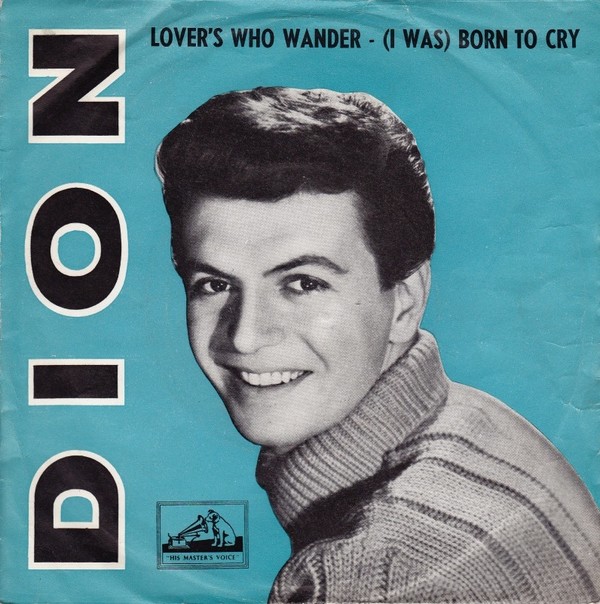
Somewhat better is Dion’s Lovers Who Wander, though it sounds exactly like the other songs he recorded in the ‘60s. And I can’t really sit here and say anything else when it feels like I’ve heard it before. It’s also the follow-up single to his last song, The Wanderer, so there are some similarities in the title as well… But the track is ok, you know.
And the last single is from The Marvelettes. Their single this month is called Playboy, and it’s their third single and second Top 10 hit. I guess it’s difficult to top their first single, Please Mr. Postman, but I like this one a lot as well. It took a while for it to sit, but now I get a kind of reggae feel when listening to it, and I find that kind of cool. And pitting it up against the other singles from this month probably just makes it even better.
THE CHARTS
Billboard Top 10 Singles Chart
Week 1 (April 7, 1962)

- Johnny Angel – Shelley Fabares
- Don’t Break The Heart That Loves You – Connie Francis
- Good Luck Charm – Elvis Presley
Week 2 (April 14, 1962)
- Johnny Angel – Shelley Fabares
- Good Luck Charm – Elvis Presley
- Slow Twistin’ – Chubby Checker (with Dee Dee Sharp)
Week 3 (April 21, 1962)
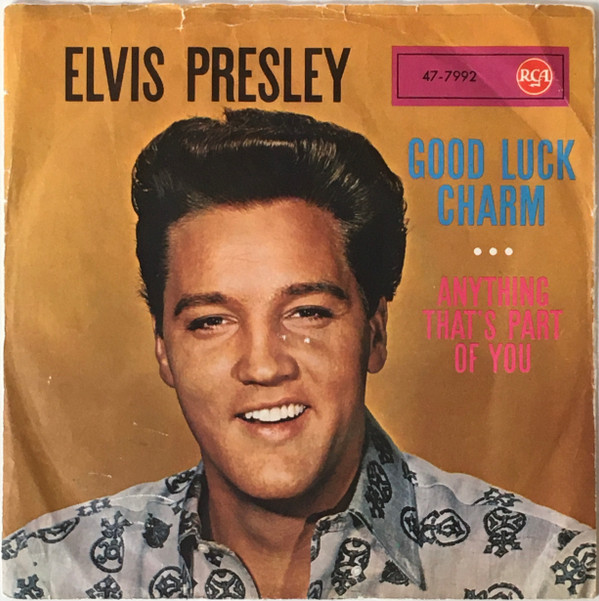
- Good Luck Charm – Elvis Presley
- Johnny Angel – Shelley Fabares
- Mashed Potato Time – Dee Dee Sharp
Week 4 (April 28, 1962)
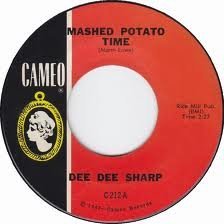
- Good Luck Charm – Elvis Presley
- Johnny Angel – Shelley Fabares
- Mashed Potato Time – Dee Dee Sharp
I don’t know when Rick Nelson’s Young World was released but I’ve already written (at least listened to) about Arthur Alexander’s version which he included on his album «You Better Move On». Rick was the first one to record this song and it will reach #5, but out of the two, I would say that Arthur’s version is the best.
Acker Bilk wrote the song Stranger On The Shore for his daughter and called it Jenny. The recording was at some point used as the theme for a BBC show called «Stranger On The Shore», and I guess that’s why the song is called that now. Anyway, it became a hit, so I guess Mr. Acker Bilk is happy. I’m not though, cause it’s not very exciting.
Ketty Lester will get a gold record for her recording of the song Love Letters as it will hit the Top 10 in numerous countries. It’s a pretty nice ballad, but not really anything more than that. In 1986 it will be featured on the soundtrack of David Lynch’s movie «Blue Velvet», and in 1966 it will be recorded by Elvis Presley.
Shout (Part 1) was originally written, recorded, and released by The Isley Brothers in 1959, but this month it is Joey Dee & The Starliters that charts with it. But where The Isley Brothers’ original version is cool and danceable, Joey Dee makes a big mess of it. It just seems chaotic and noisy, so I don’t really understand how this one could chart at all, to be honest.
The best new song on the chart this month is Dee Dee Sharp’s Mashed Potato Time. It’s another song about a dance, or at least a dance move, that was a fad at the time.
Petter Milde
This Band Could Be Your Life
 This Band Could Be Your Life