
On June 12, 1962, three convicts were not in their beds during a routine morning bed check at Alcatraz, San Francisco. The prison went into lockdown, and an intensive search began.
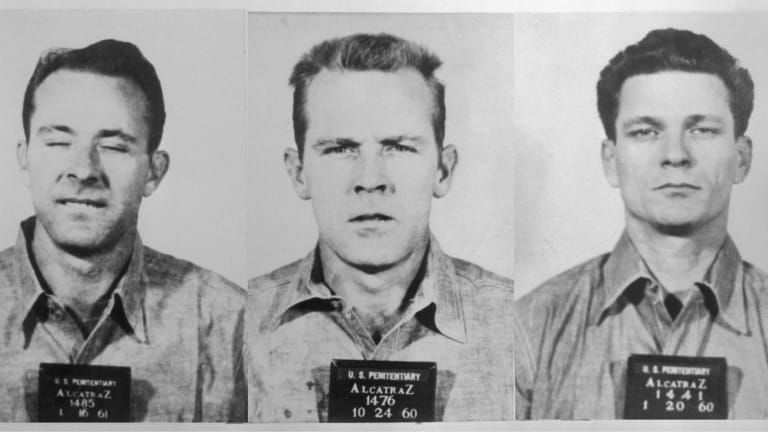
John Anglin, his brother Clarence, and Frank Morris had built dummy heads made of plaster, flesh-tone paint, and real human hair to trick the night guards, and were now nowhere to be found. This is supposedly the only successful escape from ‘’The Rock’’, but it has never been confirmed that these guys survived. It’s a pretty rough trip from Alcatraz to the mainland, and doing so at night, on a homemade raft, is not something that would be easily done. But that’s probably what they did.
It’s not known what happened to these guys, and the FBI closed the case in 1979 concluding that the men drowned. However, in 2015 a photo emerged allegedly portraying the Anglin brothers in Brazil from 1975. And according to a facial recognition analysis, it is them as well. No further steps have been taken though, and as far as I know, the law has not followed this alleged photo analysis. So, the FBI still says they drowned, and technology says they survived. What a great mystery.
A few days before the Alcatraz escape Nick Rhodes, a founding member, and keyboardist of Duran Duran was born, and about a week after that Paula Abdul, and the drummer of Sonic Youth, Steve Shelley, entered this world.
But before all this happened, The Beatles would have their first Abbey Road recording session. On June 6, 1962, Paul McCartney, John Lennon, George Harrison, and Peter Best entered Studio Two to record the songs «Besame Mucho», «Love Me Do», «PS I Love You», and «Ask Me Why».
This historic session did not go very well though. According to Norman Smith, the engineer, the equipment brought by the band was not very good. They had tiny little Vox amplifiers and speakers, which didn’t create much sound for him to work with. They had to tie a string around John Lennon’s amplifier, there was some trouble with Pete Best’s cymbals, and Paul’s was the worst. He even said that they heard nothing of John and Paul’s songwriting skills, which is a bit weird considering they recorded «Love Me Do» and «PS I Love You». But he’s allowed to voice his opinion I guess.
At some point during the session George Martin, the producer, came in, which for some reason was not common, and took over the controls. After the session, Martin and the others kinda berated The Beatles about their equipment and what they had to do in order to become real recording artists, and after the stern lesson, Martin said: “Look, I’ve laid into you for quite a time, you haven’t responded. Is there anything you don’t like?” Then, after a long while of silence and feet-shuffling, George Harrison said: “Yeah, I don’t like your tie.”
THE ALBUMS
Tony Bennett is supposedly back with a bang this month, but I would probably define that word a bit differently. Bennett still makes boring music for boring people, but I’m not gonna take away from him the fact that he won two Grammy Awards for the title song (I Left My Heart Heart) In San Francisco, and it stayed on the charts for over three years. However, this is me writing about music, and this is just…zzzzzzz.
CHARLIE MINGUS – TIJUANA MOODS
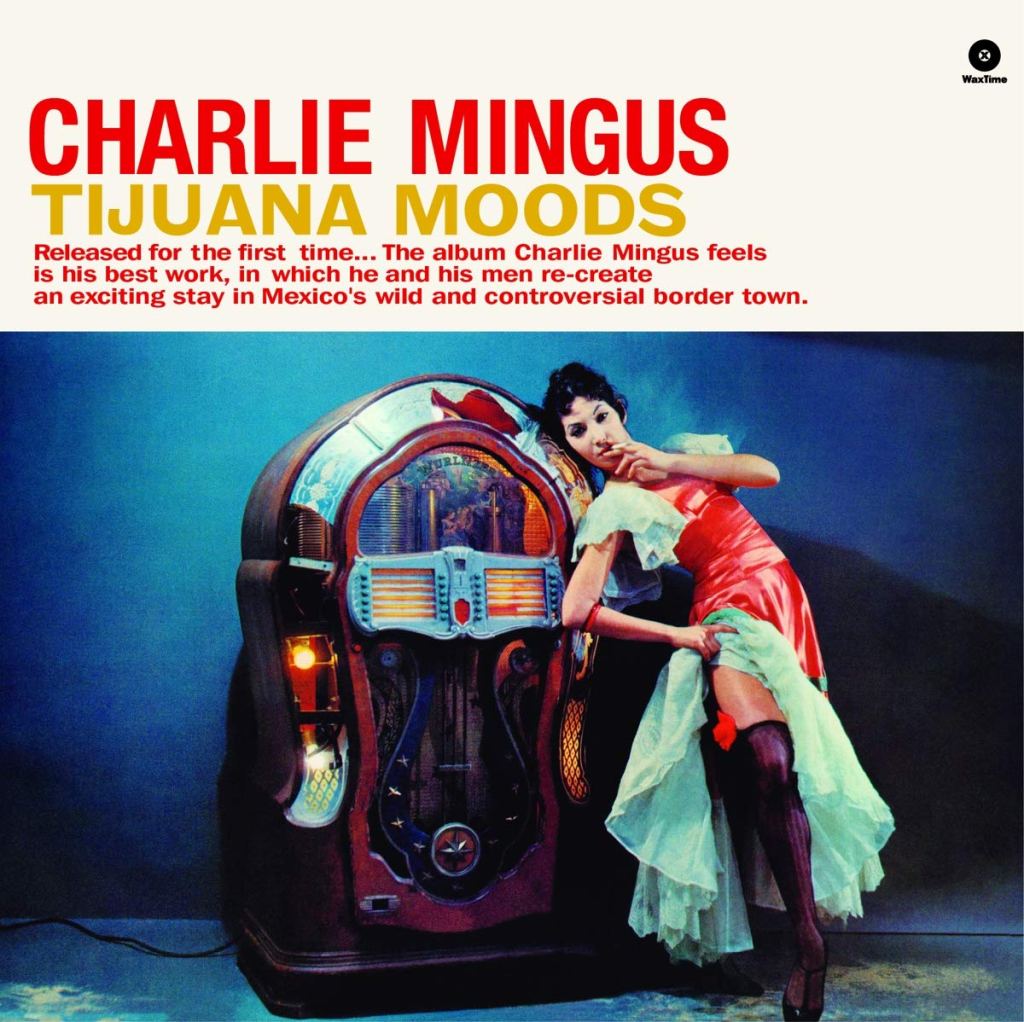
Charles Mingus, who is credited Charlie on this one, doesn’t like to be called Charlie. A man is not called Charlie, says Charles, that’s a horse’s name. But here we are listening to Charlie’s record «Tijuana Moods», recorded in 1957, released in ‘62, inspired by a trip to Tijuana, Mexico. But that’s cool, I’ll call you Charles from now on. Not just because he doesn’t like it. I’ve also read that he had a pretty rough time through the years because of his mixed ancestry (he had British-born, Chinese, Swedish, and African-American grandparents), and he was born in the US in the early ‘20s, so I guess he’s had enough shit for a couple of lifetimes. But Charles overcame, he excelled, and ended up with a great career with loads of people admiring him. And they still do. I was in a used record store the other day, and some young kids, not older than twenty, were scouring the shelves for Mingus records. So almost a hundred years after Charles was born, kids in Norway are still keeping him alive through his music, and no one can take that away from him.
Mingus is a bass player. And I have to say that watching Mingus play bass, like just a show with him playing bass alone on stage, is just weird to me. Obviously, this is not what he is all about, but it is interesting to see a bass player in charge of everything. And it is stupid to watch, and listen to, crazy bass solos that to me just sound nonsensical. But I guess I’m just not evolved in this jazz thing enough to get it. Charles started playing the bass in high school, and over the years he has worked with big names like Charlie ‘’Bird ‘’ Parker, Miles Davis, Thelonious Monk, Dizzy Gillespie, Quincy Jones, and in 1953 he joined Duke Ellington’s band for a brief period. While not much of his early material was very successful, he became a pioneer of black management and artist-led record labels when he formed Debut in 1953 together with his wife and Max Roach. It was a short-lived label that was started to avoid working for major companies and was intended to showcase new musicians.
It wasn’t until 1955 that Charles’ compositional skills started to flourish. Supposedly what makes him so great, and a crucial innovation of his in jazz, was the use of non-standard chorus structures, mixing quasi-classical compositions with free-form, and group improvisations. He developed a conversational mode of interactive improvisations (which you can get the gist of in some of the live clips in the documentary «Mingus» from 1968), and he pioneered melodic bass playing. Some of this is way over my head, and I realize that I just wrote a couple of things I don’t understand myself, but what the hell. Jazz is difficult, right?
«Tijuana Moods» is according to a lot of people (and maybe even himself if you read the cover of the album) some of Charles’ best work. And while I’m not in any position to say whether that is true or not, I sure do like it. As a jazz record that is. There are a few tracks that sound better than the others, like Dizzy Moods, a Dizzy Gillespie composition, Tijuana Gift Shop, and Flamingo. Curiously enough I like the two compositions not written by Mingus himself best (Dizzy Moods and Flamingo), but I guess they have the Mingus touch to them, so that shouldn’t really mean anything.
Charles Mingus was a cool new experience really, and I enjoyed researching him and his music. I especially liked watching the documentary «Mingus» where you get to just watch him talk gibberish for an hour or so. And from what I understand, there’s a lot of great music to come from this guy, so I’m mos def gonna keep tracking this man.
TONY SHERIDAN & THE BEAT BROTHERS – MY BONNIE
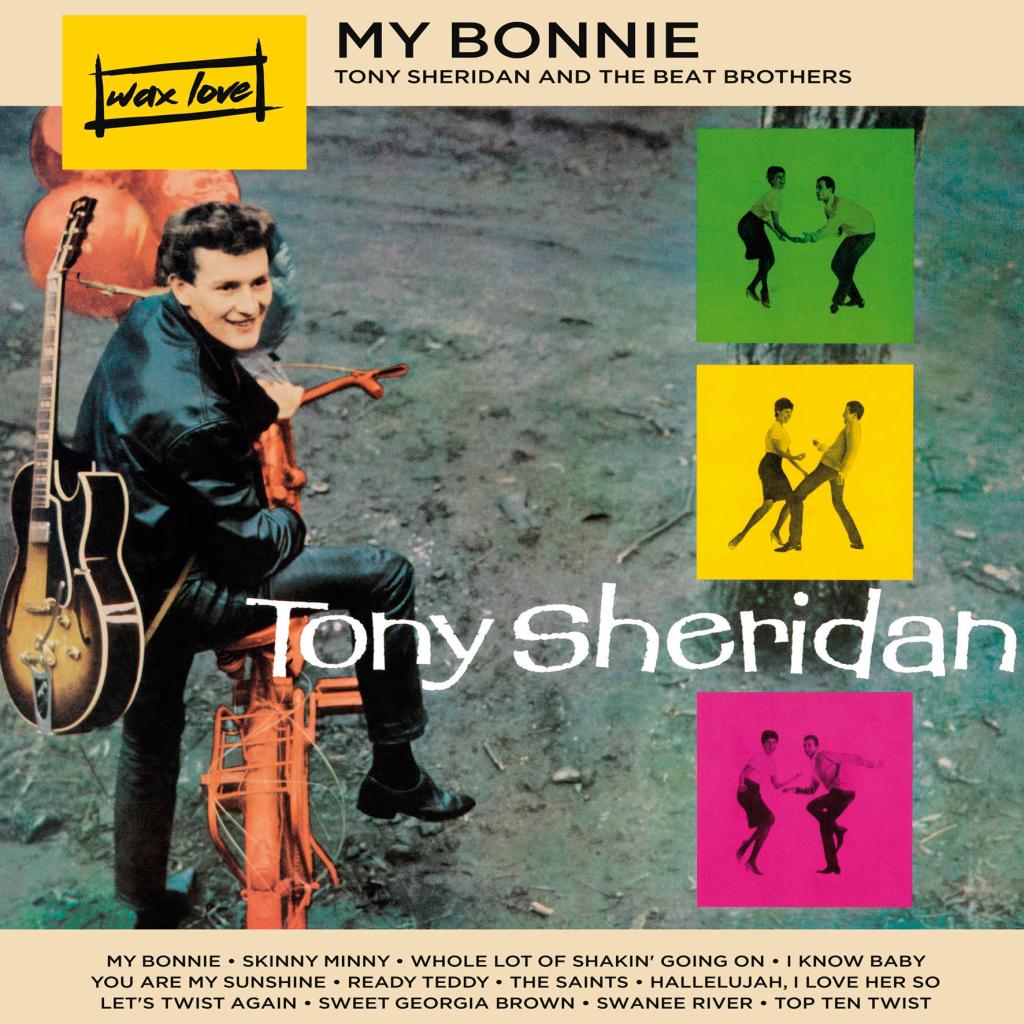
The only real reason for me to write about this album is the fact that The Beatles used to play with him down in Germany before they got bigger than Jesus. But they only recorded two songs with him on this album, My Bonnie and The Saints, so it’s not really that interesting. They recorded a lot more songs with him, but they were not added to this album. There will be an album released with those tracks at some point as well, but from what I understand it’s definitively not this one.
Tony Sheridan had a mediocre career, starting out in England and having his best time in Hamburg, Germany, playing at clubs and eventually being discovered by Bert Kaempfert. He signed with him to record for Polydor Records, and that’s how a young, up-and-coming Beatles got to record their first tracks. The album, however, is not really worth much besides the Beatles fact. The best song is «My Bonnie», and he covers some well-known tunes like Let’s Twist Again, You Are My Sunshine, and Sweet Georgia Brown, but it never really becomes interesting.
After this album, Tony went to play in Vietnam for the American troops, back to Hamburg to milk his cult status for a decade or so, and finally converting to a religion called Sannyasi and renaming himself Swami Probhu Sharan.
THE FOUR SEASONS – SHERRY & 11 OTHER HITS

It all started with a minor hit called You’re The Apple Of My Eye in 1956 for what was then called The Four Lovers, and the Four Seasons will go on to become the most successful white doo-wop group of all time, selling more than 100 million records. But it won’t come easily. The late ‘50s was barren when it comes to hits, and at a time when Frankie Valli wanted to quit the group, the new addition Bob Gaudio wrote the song Sherry which became their first #1 hit. And from there it kinda blew up.
«Sherry And 11 Other Hits» contains the hit Sherry (obviously), and songs like Big Girls Don’t Cry, Oh Carol, which should be pretty well-known tunes to most. But The Four Seasons is a doo-wop group and that isn’t really very exciting at this point in time. They got some tracks that work, like some of the songs I’ve mentioned, but the rest is more fillers than anything else. And while Frankie Valli’s vocal range is impressive, it also becomes annoying at some point.
The hits will keep coming though, so I guess we won’t be rid of these guys anytime soon. And maybe some of the coming hits are cool, but I’m not holding my breath.
JOHNNY CASH – THE SOUND OF JOHNNY CASH

“I was taking the pills for a while, and then the pills started taking me.” – Johnny Cash
I guess it’s pretty well known that Johnny Cash struggled with addiction at some point in his life and that it took a toll on a lot of things. But I never really realized what it might have done to his music. Cause this is his fourth studio album in the ‘60s, and so far he hasn’t delivered anything that will make a lasting impression. Some (even me) might think that drugs and alcohol are a good thing for artists, but I guess Johnny Cash is one that proves it otherwise. It was pretty common to do speed at these times, especially for touring musicians, but for Cash, it gave him more problems than he hoped. He was stopped at the border smuggling a shit load of pills from Mexico, he kept crashing his car, and I guess in general wasn’t very happy with how shit turned out. I mean, no one is ever really happy when you’re addicted to drugs.
I understand that Johnny will be struggling with this stuff through most of this decade, so it will be interesting to see when he gets his act together and what impact that will have on his music.
«The Sound Of Johnny Cash» is not a bad record. It’s Johnny Cash through and through, but the lack of hits makes it sound like an all-filler-no-killer-album. The talent and potential that lives inside this guy are obvious, but it’s also apparent that he struggles to get it out at the moment. In The Jailhouse Now was the only single released from this album, and it’s resembling something that could be great. But when it’s being weighed up against what he’s done earlier, it’s just not that great.
But there are a lot of songs that are worth listening to at least. I mean, they’re ok, so if you’re a Cash fan you should check them out. Like Lost On The Desert, You Won’t Have Far To Go, Delia’s Gone, Cotton Fields, and I’m Free From The Chain Gang Now. I guess those are the ones that save this album for me. But all in all, it’s not an essential Cash album.
SYLVIE VARTAN – SYLVIE

Sylvie Vartan was born and raised in Bulgaria but moved to France in 1952 when she was eight years old. Thanks to her brother, who was a music producer, she was able to start a career in music which had been her dream. In 1961 she recorded the song Panne d’essence with a French artist called Frankie Jordan. The song became a hit, and even though she wasn’t credited on the record she scored a contract with Decca Records.
The song also gave her the chance to appear on national TV, and she was quickly dubbed «la collégienne du twist» («twisting schoolgirl») by the journalists. She recorded her first EP with the song Quand le film est triste (a french version of Sue Thompson’s Sad Movies (Make Me Cry)) and who would’ve thought, this was a hit as well. She followed up this single two other french re-make hits: Est-ce que tu les sais? (Ray Charles’ What I’d Say) and Le Locomotion. It’s fair to say she was quickly becoming a star in France, so she was getting ready to release her debut LP «Sylvie».
All the songs I’ve mentioned so far is included on her debut, and they’re all pretty cool. I’m a big fan of this kind of french music. A pop/rock/jazz thing that swings terribly well when it’s done with style. I guess they call it yé-yé music. And the French language is nice and works really well when sung.
It’s a good album and an even greater debut, but there are too many covers and re-makes to make it an outstanding album. But it’s a joy to listen to and a great introduction to one of the biggest french female artists of all time. Sylvie is an icon in France and will be awesome to follow her career from the start.
THE SINGLES
I’m a bit confused right now, cause I was sure that I’d written about Loco-Motion by Little Eva earlier, but I can’t seem to find it. The fact that Sylvie Vartan has covered it should also be a point to bring up, but I’m not sure of the exact date when that one was released, so that doesn’t really matter. Anyway, here it is (again) and it’s an ok song (still).
Another ok song is The Ballad Of Paladin by Duane Eddy. An instrumental track that won’t blow any minds, but is not impossible to enjoy every now and then. As the title might give away, it is a Western of sorts. Not quite country, not quite rock, but somewhere in the middle. It’s produced by Lee Hazelwood, who produced a lot for Duane.
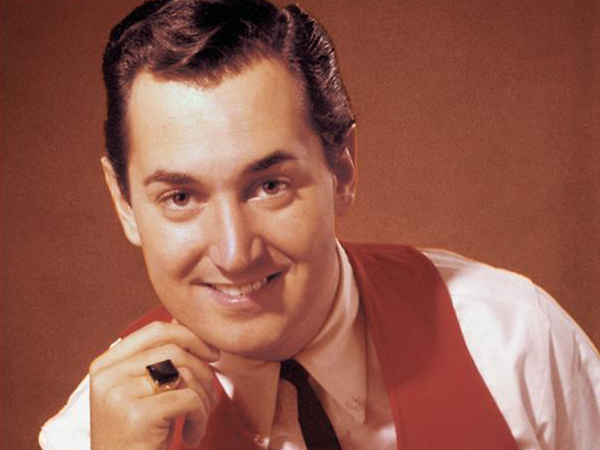
The incredibly boring look of Neil Sedaka is more interesting than his new single Breaking Up Is Hard To Do. He looks like a school teacher from the ‘50s, and I find that quite fascinating. The single is considered to be his signature song, and that kinda tells me all I need to know about him. This is pop music for the old generation and maybe young girls who experienced a crush for the first time. It was a hit of course (cause all the songs I don’t like usually are).
The Shirelles continue to lose their stride with Welcome Home, Baby. It follows their last single Soldier Boy, which wasn’t very good either, and considering that their first singles were really good, it looks like they are on their way down. Too bad really, cause I had my hopes up for these girls.
Dion shows up once again with his weird ba-ra-pa-ra-pa-thing which I was introduced to on his last single Lovers Who Wander. It’s not as prominent on Little Diane, but it’s enough to make me struggle to tell them apart. It’s pretty catchy though and did well on the charts, so I guess Dion still got it in some ways. As long as he stops this ba-ra-pa-shit I’m gonna keep looking out for him.

The second single from Beach Boys is out this month, and it’s the great Surfin’ Safari. It’s a step up from their debut single, though that one was good as well, but on this one, they really seem to have figured out what they’re good at. It’s their first single on their new label, Capitol Records, and the label didn’t want Surfin’ Safari to be the A-side on this one. They wanted 409, a car song, so they started to promote this one first. However, a radio station in Phoenix had already started to play Surfin’ Safari and turned it into a nationwide hit, so the plan changed and 409 ended up as the B-side. I agree with the Phoenix station that Surfin’ Safari is the better track here, but 409 makes this a damn good single.
Then there’s Dave ‘’Baby’’ Cortez who gives me tinnitus on Rinky Dink. The organ is just awful on this one. It fucking hurts my ears listening to it (it might be worse with headphones…). I don’t know if it’s the production that sucks or if this is how they wanted it to sound, but it sure doesn’t work wonders with anything. Bobby Darin is a bit more comfortable to listen to, but his Things isn’t anything else than that.
And what’s a month without a novelty song? Bernard Cribbin‘s Right Said Fred is incredibly British. The song is fun enough, and even a bit catchy as I find myself singing along to it even if I don’t want to. It’s a story about three moving men trying to move a piece of furniture, without success I might add and a lot of tea breaks.
The last single this month is a classic. The Contours and their song Do You Love Me. Cool story behind this one, as Berry Gordy, who wrote the song, wanted The Temptations to record it but couldn’t find them anywhere in the Hitsville USA building. And as he thought this song was a sure-fire hit, he wanted it to be recorded immediately. The fact that he couldn’t find them might sound stupid, but remember that this is 1962, so there aren’t shitloads of ways to reach people. At some point, he gave up looking, so when he met The Contours, who were about to be dropped by the label as their prior singles hadn’t done well, he offered them this song.
The screaming vocals are what gives this song its distinctiveness, and it is the main reason this song is so cool. Berry Gordy said “It was recorded R&B but by the time it reached the half-million mark, it was considered pop. And if we hadn’t recorded it with a Negro artist, it would have been considered rock and roll.” And I can’t help but think that he is spot on with that observation. Great song, and cool story.
THE CHARTS
Billboard Top 10 Singles Chart
Week 1 (June 2, 1962)
- I Can’t Stop Loving You – Ray Charles
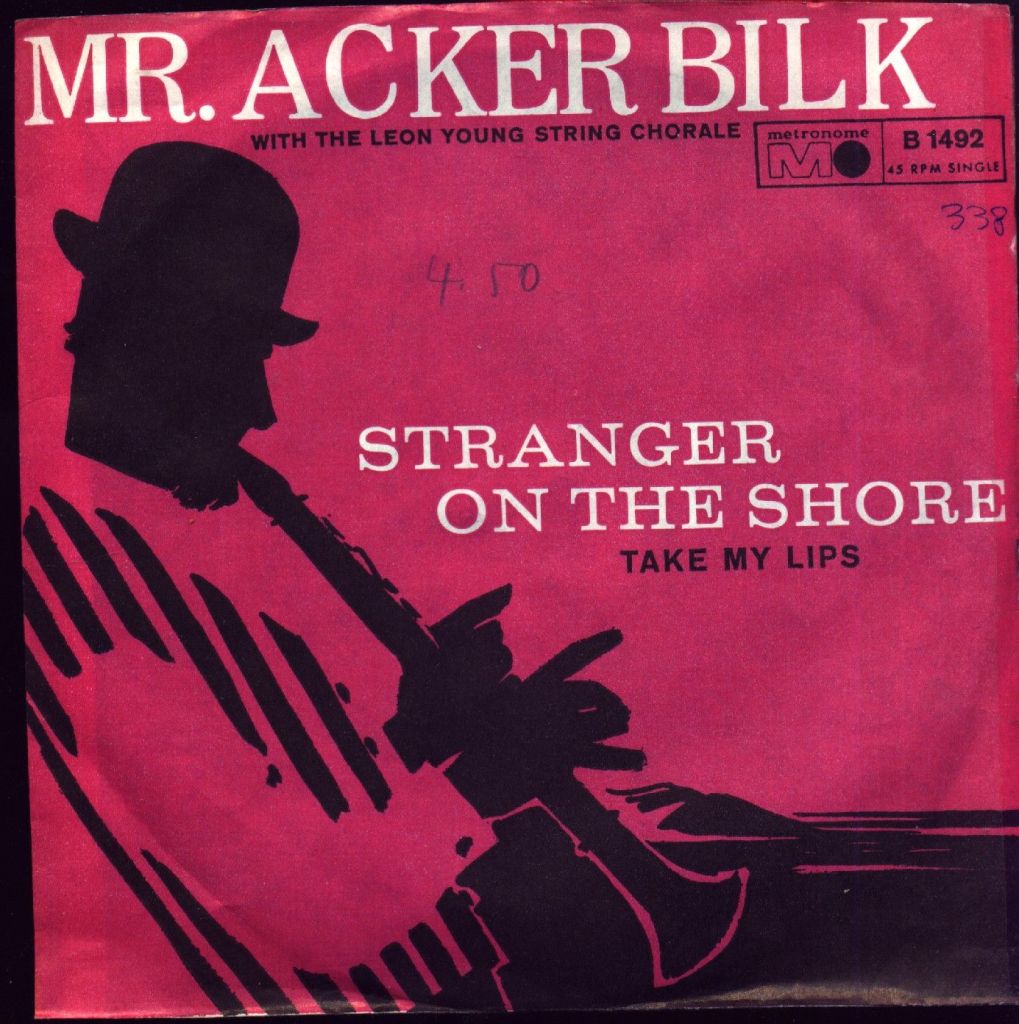
- Stranger On The Shore – Acker Bilk
- Soldier Boy – The Shirelles
Week 2 (June 9, 1962)

- I Can’t Stop Loving You – Ray Charles
- Stranger On The Shore – Acker Bilk
- Lovers Who Wander – Dion
Week 3 (June 16, 1962)
- I Can’t Stop Loving You – Ray Charles
- Stranger On The Shore – Acker Bilk
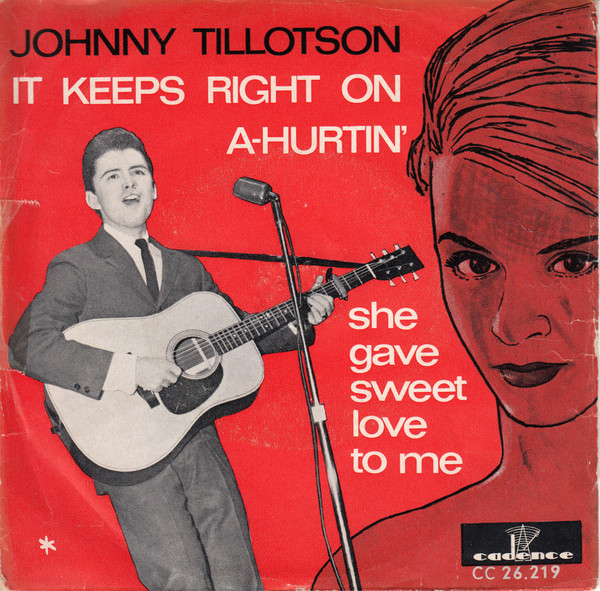
- It Keeps Right On A-Hurtin’ – Johnny Tillotson
Week 4 (June 23, 1962)

- I Can’t Stop Loving You – Ray Charles
- The Stripper – David Rose
- Palisades Park – Freddy Cannon
Week 5 (June 30, 1962)

- I Can’t Stop Loving You – Ray Charles
- The Stripper – David Rose
- Palisades Park – Freddy Cannon
I don’t know what it is about Connie Francis that makes people love her so much. Like, she’s pumped out songs so far in the ‘60s and all of them seem to end up near the top of the charts, but I’ve only enjoyed one of them. Her love ballads are boring, and I would think that this recipe of hers would get old quickly. But she keeps impressing a lot of people with this, and I’m completely in the dark. Second Hand Love is loved by others, disliked by me.
Johnny Crawford, who was mainly an actor, joins us here with his single Cindy’s Birthday. The song is not good, and it’s kinda impossible to hear if it’s a boy or a girl singing this song, so I guess that’s the most interesting thing about it. Could be the fact that he’s only sixteen years old at this point, but still. Al Di Là by Emilio Pericoli is an Italian song, the first one on the charts since January 1960, and this kinda music is not my thing. I can understand why the older generation could like it, but I’m pretty sure it’s not a hit for anyone else. And The Stripper by David Rose is an instrumental big band tune that works well at burlesque shows.
The Everly Brothers get to visit the charts one last time before they waste away their talent. That’s Old Fashioned (That’s The Way Love Should Be) is a love song that has its moments. The ballads are not what I like most about The Everly’s, so to me, it is a bit slow and tedious, but as I said, there is something nice about it. So let’s wave goodbye to these guys, and mourn the talent we’ve seen up until now.
Freddy Cannon shows up with a fast-paced rock’n’roll tune called Palisades Park, and even though it might be a bit stressful, I kinda like it. I’ve been missing some action in the charts, and Freddy comes close to satisfying me with this one. Gene Pitney enters the Top 10 with his (The Man Who Shot) Liberty Valance. It’s completely different from his last single, Town Without Pity, which was a sad country track, whereas this one is more of a Western novelty track. It’s not terrible, but I’m not sure at what point during my week this would be appropriate to listen to.
The last one on the chart this month is Mary Wells’ The One Who Really Loves You written by Smokey Robinson. It reached #8, but I would say that this R&B track is the best new addition this month.
Petter Milde
This Band Could Be Your Life
 This Band Could Be Your Life