The 4th annual Grammy Awards was held in May 1962 (might have been in April) to celebrate the best music of the year 1961.

And it’s interesting to see who won because some of them I haven’t even heard of, and the others were stuff I didn’t like. So either I’m not on the level with what was actually good in 1961, or the Grammys based their votes on something completely different than what I do. Anyway, the big winner of the Grammys this year was Judy Garland and her legendary comeback at Carnegie Hall which resulted in the live album «Judy At Carnegie Hall». Judy is of course a legend in herself, but I didn’t even write about this album last year, so the fact that this album won at least four awards is a bit surprising. I mean, maybe not of course. It could be that my research is just awful.
Well, I’m not gonna dwell on that much longer. It is what it is, and I’m bound to miss a lot of music over the years anyway. So let’s just list some of the winners and move on:
- Record of the Year: Henry Mancini – Moon River
- Album of the Year: Judy Garland – Judy At Carnegie Hall
- Song of the Year: Henry Mancini – Moon River
- Best Solo Vocal Performance, Female: Judy Garland – Judy At Carnegie Hall
- Best Solo Vocal Performance, Male: Jack Jones – Lollipops and Roses
- Best Arrangement: Henry Mancini – Moon River
- Best Performance by a Vocal Group: Lambert, Hendricks and Ross – High Flying
- Best Rock & Roll Recording: Chubby Checker – Let’s Twist Again
- Best Country & Western Recording: Jimmy Dean – Big Bad John
- Best Rhythm & Blues Recording: Ray Charles – Hit The Road Jack
- Best Folk Recording: Belafonte Folk Singers – Belafonte Folk Singers At Home And Abroad
- Best New Artist of 1961: Peter Nero
There are also some winners here that I did write about, and gave some good reviews, like Ray Charles, Chubby Checker (even though I’m seriously fed up with him now), and Jimmy Dean. More interesting I guess, are the ones I have missed. Like Jack Jones. Who is that? Why have I never heard about Jack Jones, and why didn’t he show up in any of my research? And why did he win a Grammy?
Well, why he won a Grammy for the song Lollipops and Roses is beyond me. The song is an Easy Listening track that didn’t really do well on the charts, and ended at #12 on the Easy Listening chart. It’s terribly dull, and the only good thing I can say about it is that he probably has a good voice. But it’s no better than any of the other artists that bore us with the same kind of music, so why he won this is gonna stay a mystery to me. This is probably the reason why I haven’t heard about him as well. He’s an Easy Listening artist, and that is not my kind of music.
The Belafonte Folk Singers is another act I haven’t heard about, and they went home with the award for Best Folk Recording. First of all, Harry Belafonte is not a part of this group, they are named like this because they were the backup group for Harry on records and at concerts. But the fact that these guys won a Folk award is pretty outrageous. This is choir music. It’s a choir of 12 men performing folk songs. I mean, the only folk thing they got going for them is a guitar in the background that might sound a bit folky, but other than that this is a choir.
And the last guy I’d never heard about is Peter Nero. Hailed by the Grammys as the best new artist of 1961. And I’m sitting here like: «What! Who the fuck is that?». Well, he’s a pianist. So yeah, it’s pretty obvious that I and the Grammy don’t like the same music. I’m not saying that Peter Nero is shit, I’m just saying that it is a waste of my time.
The Grammys came and went, and now it’s time to move on. Hopefully, they’ll start honoring some cool music soon, but for now, it doesn’t really seem like they are of any real value to me and this project. What is though is the fact that Brett Gurewitz was born on May 12. Brett will go on to be one of the founders of the legendary punk rock band Bad Religion, the co-founder of Black Mask Studios (a comic book publishing company), and the owner and founder of Epitaph Records.
David Grahan, the lead singer of Depeche Mode, was also born this month.
THE ALBUMS
I’m pretty sure that I will find at least a couple of albums released this month that is better than some of the ones that won a Grammy. Cause there are some intriguing names here. We’ve got Peter, Paul and Mary, Ike & Tina Turner, Jimmy Smith, Marty Robbins, and Elvis Presley, I mean, some of these have to deliver, right? Of course, I’ve learned that names don’t make an album, so it might be that all of them will crash and burn, but I’m staying positive until proven otherwise.
MARTY ROBBINS – DEVIL WOMAN
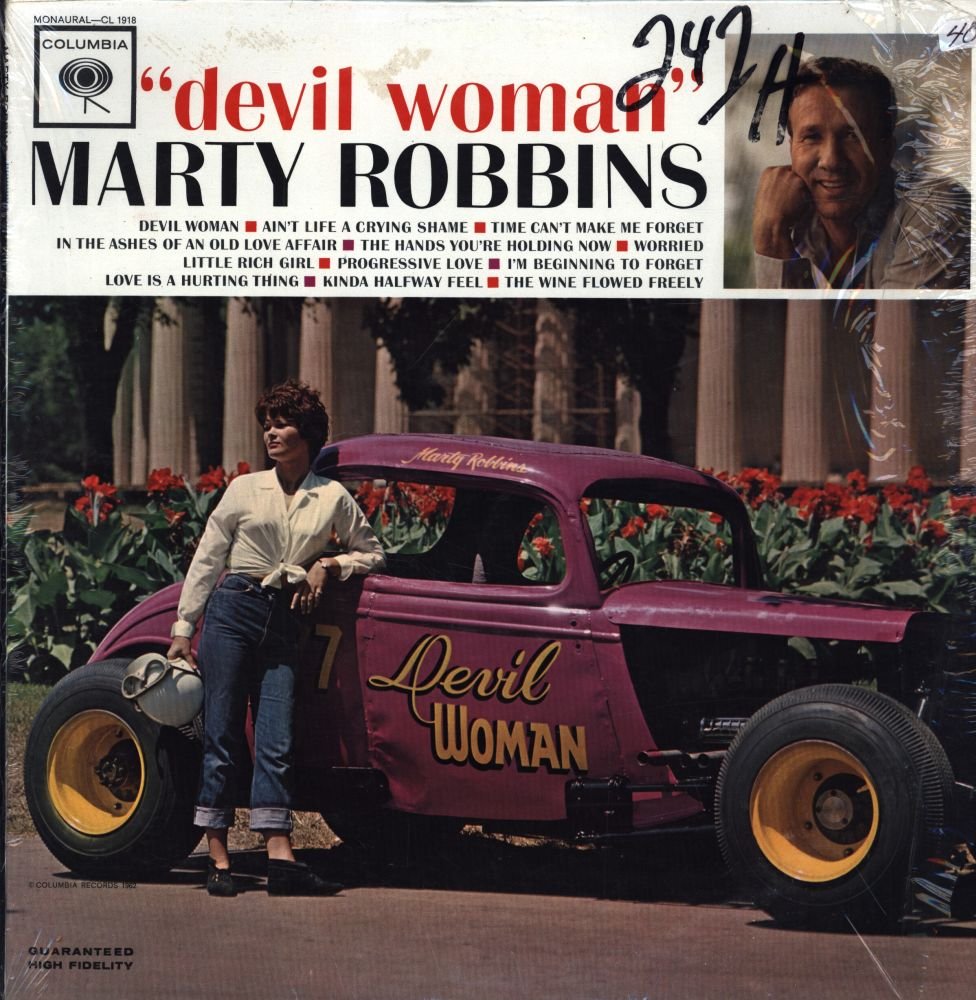
I hadn’t heard of Marty Robbins until I wrote about his song «El Paso» at the start of the ‘60s. But it turns out that this guy is an important figure in country music, with a pretty impressive track record.
Marty Robbins once said that his father hated him and that his childhood was miserable. His father had an alcohol problem and abused his family before he left them to cope alone, which meant Marty’s mom was alone with nine children, and that can’t be easy. Life with one kid is hard enough, so I can’t really wrap my head around how she managed that. So in his younger days, Marty lived with his mother and eight siblings in a tent in the desert, and in a shack in Glendale, and instead of focusing on school he was out breaking horses at a ranch near Phoenix with his brother. By the early ‘40s he was living a life of petty crime, and before he joined the army in 1943, he had left everything behind to live the life of a hobo.
In the army, things started to change for young Marty. He learned how to play the guitar while serving, and seeing some action, in the Pacific. And when he was discharged in ‘46, he started playing music at local clubs and radio stations in Glendale. By 1950 he had built up a strong local reputation, and even had his own television show called «Western Caravan», and with a little help from a guy called Little Jimmy Dickens, he signed for Columbia Records. Finally, Marty seems to be on track for his music career. In 1952 he scored his first US country hit with the song I’ll Go On Alone (a song about how his wife initially disliked his show business life) which spent 18 weeks on the charts.
More hits followed during the ‘50s, like the country versions of the rockabilly numbers That’s All Right and Maybelline, Singing The Blues, A White Sports Coat (And A Pink Carnation), and more. This was also when he started a talent/booking agency, launched his own record label, and starred in a couple of B-movie Westerns. And in 1959 he released his now legendary album «Gunfighter Ballads and Trail Songs» which won him a Grammy in 1960, just like his song El Paso did. This established Marty once and for all, and songs like Big Iron and Running Gun became favorites with audiences all around the world.
But the coolest thing about Marty is the fact that his song Don’t Worry from 1961 is one of the earliest known tracks with the fuzz/distortion effect on a recording. It was never meant to be there, but a fuse had blown in the control room so Grady Martin’s six-string bass accidentally sounds fuzzed-up during the bridge, and the end, of the song. A relatively standard country song all of a sudden sounds pretty cool, and this, let’s call it a faulty effect, ended up at Gibson Guitar Corporation who turned it into the fuzz pedal we know so well today.
«Devil Woman» does not include any fuzz, and is mostly just a standard country album, maybe with a faint Caribbean sound on some of the cuts. The title track, Devil Woman, was a hit and I’m partial to the song Ain’t Life A Crying Shame, but other than that there isn’t anything that would make this album stand out. It’s perfectly fine, although almost to the point of becoming boring. But I’ll try to keep my eyes open for Marty’s next releases and keep hoping that he might bring back the fuzz.
Grady Martin actually wrote a song called The Fuzz, after the recording of Don’t Worry, which was built around the fuzz effect. It’s not very cool, but it is pretty awesome that this point in time is where this sound actually started.
ELVIS PRESLEY – POT LUCK
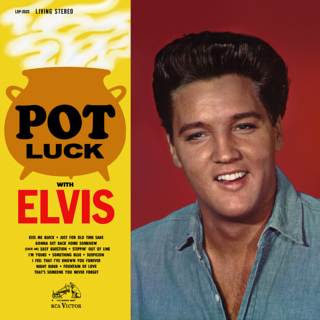
Pot luck can be defined as «whatever is available will be good enough», and it feels like that’s exactly how this album came to life. Elvis is continuing his decline with his seventh studio album as it is devoid of hits, and the quality of the songs is uneven at best. His ballads are tedious, his faster songs are uninspiring, and it’s starting to look pretty obvious that he is falling a bit behind at the moment.
But Elvis is still Elvis, and this record, though not considered a very good one, managed to reach #4 and stay on the chart for 18 weeks. If you compare it to his soundtrack «Blue Hawaii», which charted for over a year, it has to be viewed as a disappointment for an artist such as him. But I mean, what do you expect when releasing something like this? He can’t just keep relying on his name. There has to be some quality to what he puts out there as well, and that has not been done with any of his albums from the ‘60s. I think I’ve said it before, but success is not synonymous with quality, and right now Elvis is losing at least one of those.
I guess I can’t write The King off completely yet, but I’m still waiting for a good album, and right now it doesn’t look likely that it will happen any time soon.
Dizzy Gillespie went to France to record the album «Dizzy On The French Riviera», and ended up with what is considered to be some of his best material. Even me, who isn’t a big fan of jazz, can find a lot of stuff that I like on this one, and from what I understand; this album is a must for anyone who loves jazz.
IKE & TINA TURNER – DYNAMITE!
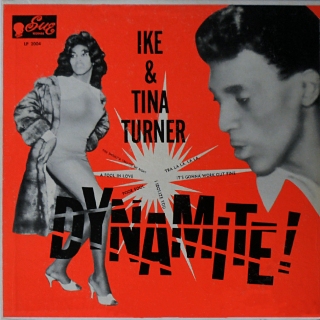
I’m not really sure if this album was released in ‘62 or ‘63 as almost all the sites and books I’ve checked list it differently, so I just decided that this one was released in May 1962.
The soon-to-be husband-and-wife duo was one of the leading black acts with their revue, «Chitlin’ Circuit», but they had a hard time turning that into record sales. From what I’ve heard of them so far though, I don’t get it. I think what they got going on is pretty cool, and even though I can understand that this probably sounds amazing live, I have to say that it is pretty good on record as well.
«Dynamite» is either their second or third album, depending on where you get your information, and it includes both A Fool In Love and I Idolize You from their first album. Two great songs that I highlighted as some of the best tracks on their debut. And yeah, I don’t get why they did that, but it’s better than covering a song that was released a couple of weeks ago, which seems to be the norm nowadays. They’ve also included the hit single It’s Gonna Work Out Fine, which was nominated for a Grammy, so just those three songs make this album worthwhile.
Allmusic.com gave this album a shit review, and I struggle to understand why. They go as far as saying: “There wasn’t a standout track among the batch; only Turner’s shattering vocals and some good funky backdrops by Ike Turner’s band saved things from total disaster“. And this is just total bullshit in my opinion. Songs like the ones I’ve mentioned, You Should’a Treated Me Right, Poor Fool, and Tra La La La La are also great tracks, and together they make up half the album. And putting together a record with 50% good tunes is not that bad really.
No, I totally disagree with Allmusic on this one and would recommend this album to everyone who wants a good, old R&B/Rock’n’Roll record.
RAY PRICE – SAN ANTONIO ROSE: RAY PRICE SINGS A TRIBUTE TO THE GREAT BOB WELLS
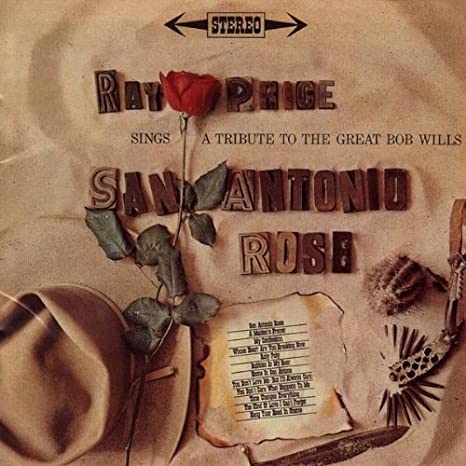
Ray Price moved to Nashville in 1951 to pursue a record contract, and after some tries, he signed with Columbia Records. And around the time Price scored a hit with the song Talk To Your Heart in 1952, he befriended his idol, Hank Williams. Hank helped Price on his way by giving him the song Weary Blues, helping him join the Grand Ole Opry, and Ray even became the substitute for Hank whenever he was missing or too drunk to perform at his shows. When Hank died, Ray took over as the leader of Hank’s band, the Drifting Cowboys, but only had minor success with them.
Price kept on going with a string of hits during the ‘50s with songs like Don’t Let The Stars Get In Your Way, I’ll Be There (If You Ever Want Me), Release Me, the country classic Crazy Arms (which was one of the first country songs recorded with a drum kit), My Shoes Keep Walking Back To You, and City Lights. His momentum slowed down a bit in the ‘60s, but this tribute to Bob Wells is a good piece of country music.
First of all, I gotta mention that there’s a young Willie Nelson who plays the acoustic guitar on this album. A newcomer to Nashville who has been hired to write songs for Price’s publishing company, he was not even close to the star he will become, but it’s pretty cool to get to listen to some of the earliest recordings with Willie. But he’s not the one who makes this album great though. He’s obviously a part of it, cause the band does a great job, but it’s Price’s wonderful country voice that makes this album. It is easy to understand why he chose to become a country singer, cause this voice is made for that and nothing else.
This is one of those albums where there aren’t really any songs that is better than the others. It’s a collective work of all the tracks, a unity of sorts, where all the songs pull in the same direction and create a great album.
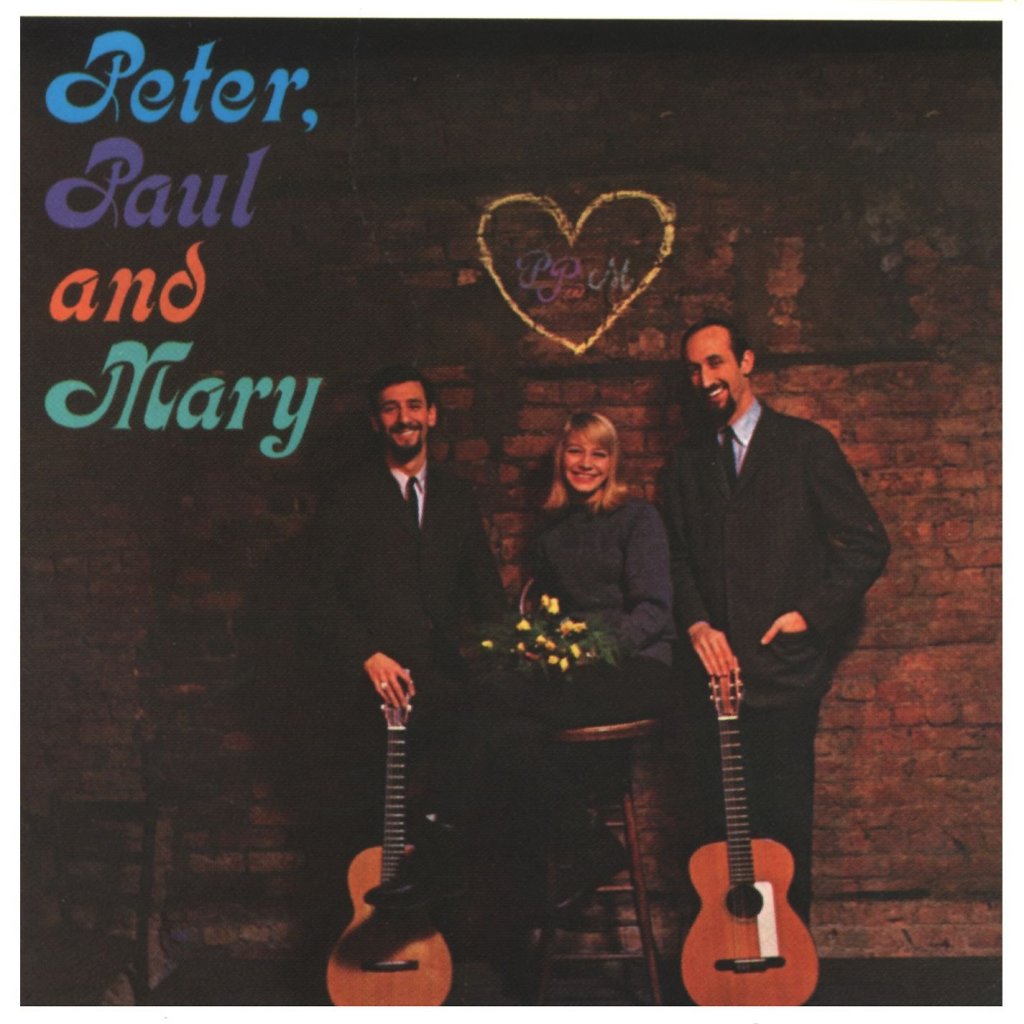
PETER, PAUL AND MARY – PETER, PAUL AND MARY
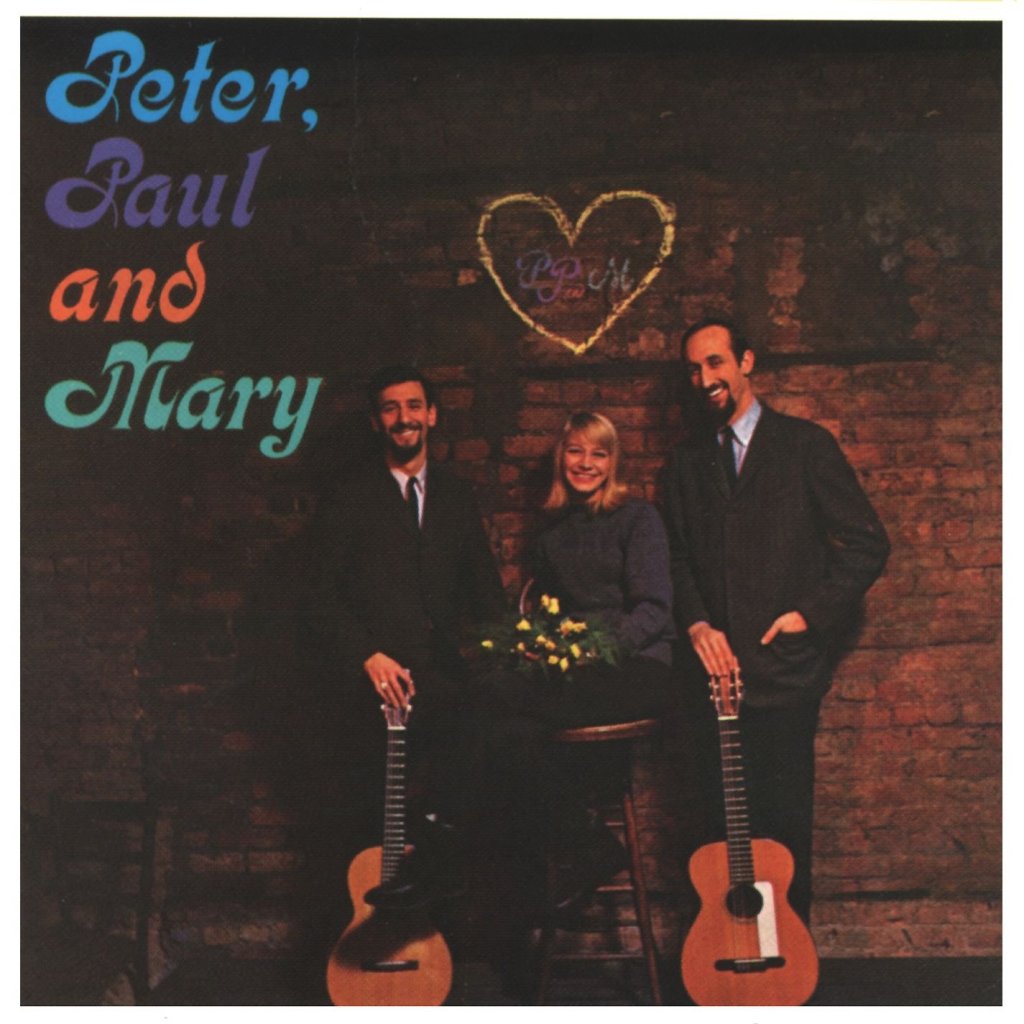
This folk trio will go on to become the most popular acoustic folk group of the ‘60s. While starting their careers at different parts of the industry, they all ended up in Greenwich Village, New York, in the coffee house circuit and were eventually rounded up by Albert Grossman to form this trio. Peter Yarrow was the only one of them that had some success as a solo artist and even played at the Newport Folk Festival. Paul Stookey was actually a stand-up comedian, and Mary Travers started out as a somewhat failed Broadway actress.
Their debut album «Peter, Paul and Mary» spent seven weeks at #1 and remained on the Hot 100 Albums chart for three and a half years. So it’s a pretty big understatement to say that this debut was a success. Especially when it comes to folk music considering that this is one of the few folk albums that made it to #1. The album had two songs that cracked the Top 40 singles chart as well with Lemon Tree reaching #35 and If I Had A Hammer, written by Pete Seeger, which went all the way to #10. The latter was written as a protest song and helped bring folk and protest consciousness to the mainstream.
There are also two songs on this record written by Peter and Paul; Cruel War and Autumn To May. They are both nice, but Early In The Morning, written by the stand-up comedian Paul, is the best one of the songs they wrote themselves. And even if If I Had A Hammer is the best cut, I’m partial to Where Have All The Flowers Gone, 500 Miles, This Train, and If I Had My Way.
This is a good contender to Album of The Year so far, and the most important factor is that there aren’t any bad songs on this album. It’s a strong debut by this folk group and it will be very interesting to see what they will do with this sudden fame and success.
THE UNPREDICTABLE JIMMY SMITH – BASHIN’
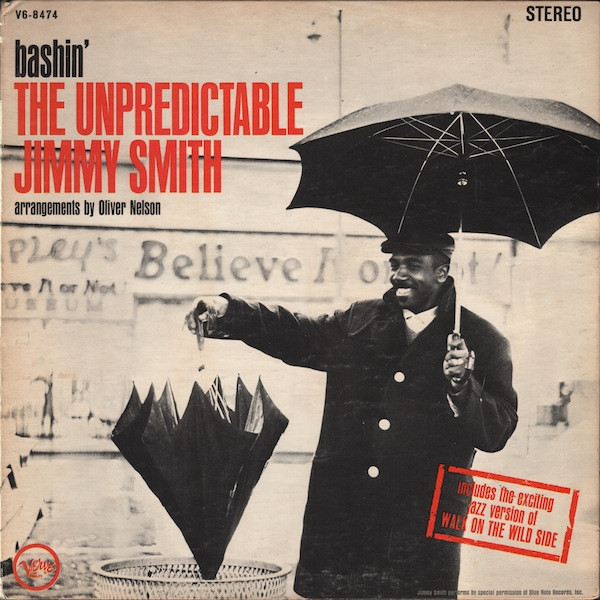
I actually bought this album at a used record store in Oslo called Råkk & Rålls just about a week ago. And with some luck, it turned out to be one of the albums released in May 1962, which I was supposed to start writing about just then. I’ve grown fond of Jimmy Smith during this project, and I felt it was about time to add some of his records to my collection, and even though this wasn’t really the record I was looking for at the moment, it was the only one they had in stock. At least I have a Jimmy Smith record now, and that makes me happy.
«Bashin’» is Jimmy’s first release on Verve Records, and kind of a big turning point in his career. First of all, it includes his biggest hit so far, Walk On The Wild Side, with which he breached the pop charts landing at #21. On this song, and a couple of others on this album, we can hear Jimmy accompanied by a big band for the first time, and while that’s all nice and cool, the fact that Jimmy’s Hammond is pretty much hidden in the background until pretty late in the song is a bit weird to me. It takes away a lot of what makes Jimmy great, mainly Jimmy himself, and even though I do like this track, and the other big band tunes, it falls a bit short in my book compared to his earlier releases. However, when he gets to shine it is superb.
Luckily this album isn’t all big band-oriented. The last half (side 2) of the album is Jimmy with his regular boys, and the soul-jazz that he does so well is back in focus. It’s three great tracks including one composed by Jimmy himself, the title track, Bashin’. Now I’m not a fan of the big band thing in general, but if I was gonna listen to it would have to be this album. And the fact that it is split in two, means that it’s definitively worthwhile. And I’m glad for Jimmy that he managed to reach some new audiences and start getting some credit in the form of cash as well.
THE SINGLES
“Twenty albums with some of the greatest names in jazz and I’m eternally linked to «Johnny Get Angry»” – Joanie Sommers
That’s a quote from 2001 by Joanie Sommers on how she feels about her single this month. I don’t know who Joanie Sommers is, and I haven’t heard anything other than Johnny Get Angry from her, so I’m not gonna compare this song to anything else from her repertoire, but the song feels like a novelty song wrapped up in something else to hide the fact that it isn’t all that. I’m pretty sure there’s a kazoo part on here as well. But whatever she thinks of the song, and me for that sake, doesn’t hide the fact that it will forever be her biggest hit.
Party Lights is another track that would become the biggest hit of an artist, but I don’t think Claudine Clark is unhappy about that. It’s a perfectly fine R&B tune which charted on both the R&B and pop chart. And she actually wrote the song herself as well.
Dickey Lee is best known for a couple of teenage tragedy songs, and one of them is Patches which is released this month. And I can’t help but think that this has to be the predecessor to Emo genre. Seriously, the song is about some teenage lovers from different social classes whose parents forbid their love. So the girl goes and kills herself and the guy is planning on joining her. The song was even banned from some radio stations because of the suicide theme. And here I was thinking that this song was about a dog. Cause Patches is a dog’s name, isn’t it? Anyway, the song is pretty boring, but still kinda intriguing because of the theme.
And both Brian Hyland and Johnny Tillotson offer up songs that I never seem to catch. Johnny’s It Keeps Right On A Hurtin’ is a country ballad without much to get excited about, and Brian’s Sealed With A Kiss isn’t even charming. Both charted at #3 though, but that doesn’t prove me wrong.
The Orlons are here to end the twist craze…with a song about yet another dance. The Wah-Watusi is, according to the lyrics, a dance made for romance, and it’s supposedly a much better dance than The Twist, The Fly, and The Mashed Potato. Each verse is dedicated to explaining why The Wah-Watusi is better than another dance, and it’s all about the facts that you can’t kiss during The Twist, that your arms are busy wavin’ in the sky while doing The Fly, and the simple fact that nothing happens when you Mash Potatoes. It’s fun, but also seems a bit desperate. Like the line ‘’ the Watusi girl is really smart’’. The song, however, became a hit (cause everyone loves to dance in the ‘60s) and landed at #2, selling over a million copies. Me, I’m pretty damn tired of these dance-themed songs, but it’s not as terrible as some of the twist songs.
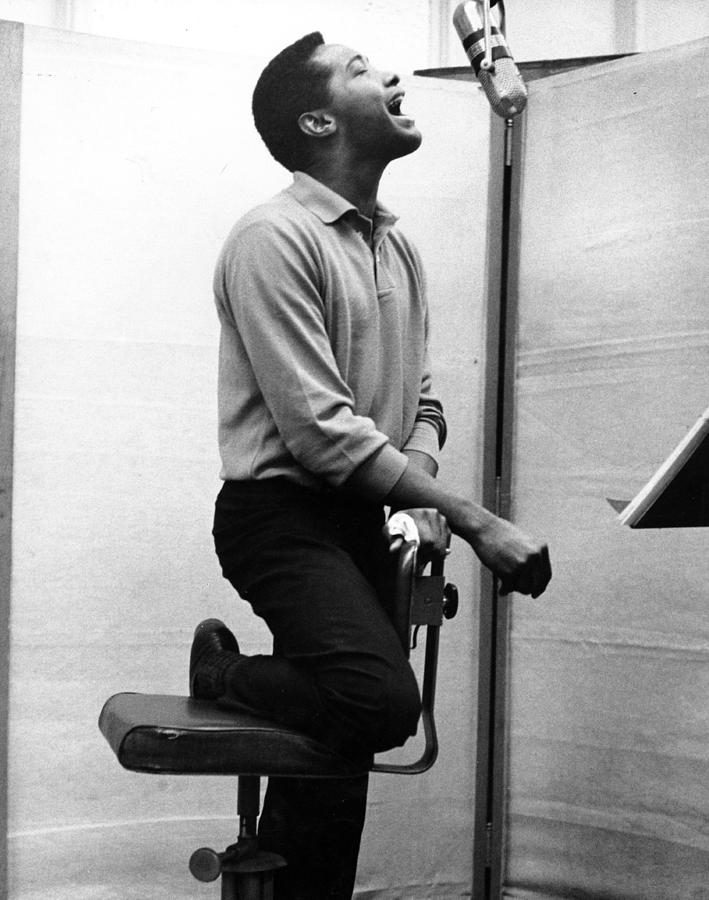
And this month’s last, and best release is delivered to us from Mr. Sam Cooke. Bring It On Home To Me is a magnificent piece of work, incredibly soulful, catchy as hell, and just a delight to listen to. It wouldn’t surprise me if this is one of the best songs in the ‘60s, cause I can listen to this track over and over and over and over…I just never tire of this one. The song was rejected by Dee Clark before it was passed over to Sam Cooke, and it might be easy to say that Dee fucked up there, but he would never ever have made a version like Sam’s anyway, so I don’t think he should worry too much about that. The craziest thing though is that this tremendous song only went to #13 at Billboard’s Hot 100 chart, and to think that both Johnny Tillotson and Brian Hyland did better is making my head hurt. Luckily though, it might not have been given the credit it deserved when it was released, but it sure has been given that now; it is one of The Rock And Roll Hall Of Fame’s 500 Songs That Shaped Rock And Roll, and it is considered a pop standard that has been covered by numerous artists such as The Animals, John Lennon, Rod Stewart, Van Morrison, and The Chicks (Dixie Chicks). Great song! Just a great fucking song!
THE CHARTS
Billboard Top 10 Singles Chart
Week 1 (May 5, 1962)
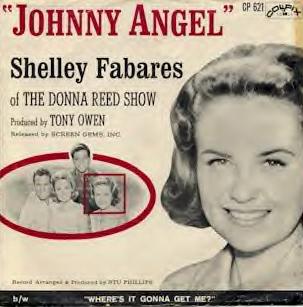
- Soldier Boy – The Shirelles
- Mashed Potato Time – Dee Dee Sharp
- Johnny Angel – Shelley Fabares
Week 2 (May 12, 1962)
- Soldier Boy – The Shirelles
- Mashed Potato Time – Dee Dee Sharp
- Stranger On The Shore – Acker Bilk
Week 3 (May 19, 1962)
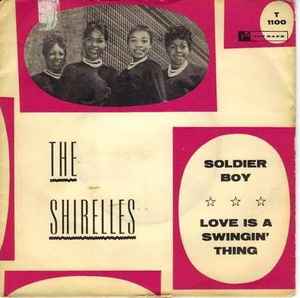
- Soldier Boy – The Shirelles
- Stranger On The Shore – Acker Bilk
- Mashed Potato Time – Dee Dee Sharp
Week 4 (May 26, 1962)
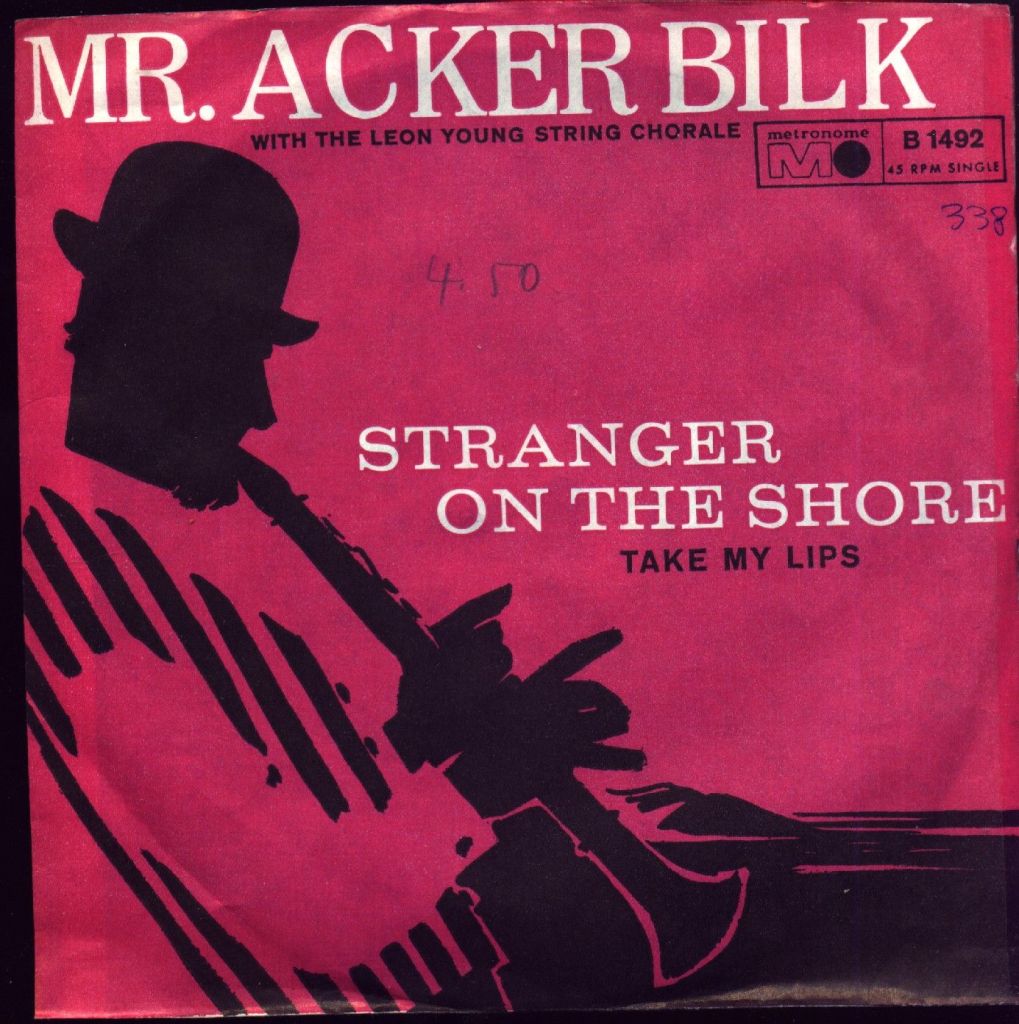
- Stranger On The Shore – Acker Bilk
- Soldier Boy – The Shirelles
- Mashed Potato Time – Dee Dee Sharp
This is probably the first month in a long time where I kinda like all the new additions to the Top 10. They’re not the best songs ever, but at least they don’t bore the hell out of me. And two of them are even novelty songs. That has to be some kind of milestone.
The first of the novelty songs is P.T. 109, sung by Jimmy Dean, who scored his biggest hit some months ago, and this one will also do pretty good. I guess it’s a pro-military song (cause Americans tend to really like their military), and it’s a story about a ship, which the song is named after, and its demise after a meeting with a Japanese destroyer (I guess that’s some kind of boat). In the midst of the story is John F. Kennedy who served on this boat, and was rescued, after the ship was cut in half, from a tiny island by two native Solomon Islanders. By the time this song came out he was the sitting president of the United States, and I guess that has something to do with the success of this song. It is kinda alright though, the song. I like how the story is told by Jimmy, and it has a certain something to it.
The second one is Old Rivers by Walter Brennan. I don’t really know if it is supposed to be a novelty song, but it sure sounds like one. A simple, old man reciting a story about a childhood friendship with an elderly farmer. He sounds simple at least, with a kind of slack-jawed pronunciation. Anyway, it’s pretty nice this one. Good melody, a delightful piano intro, and good backing vocals by The Johnny Mann Singers, yeah, I actually like this one.
And the final song to claim a spot in the Top 10 this month is She Cried by Jay & The Americans. Originally written and recorded by Ted Darryl last year, it has been made a whole lot better by these guys, and while I’m usually pretty annoyed by the fact that songs get covered way too quickly nowadays, I’m gonna let this one slide. It’s a great rock/pop ballad that just grabs a hold of you and refuses to let you go, and I’m actually kinda mesmerized. And I can’t help but think that this song has had some influence on Grace Slick and Jefferson Airplane when they wrote and recorded «White Rabbit» in 1967. Cause if you listen closely there is some stuff here that is pretty similar. I find no mention of that anywhere though, so it might just be a coincidence.
Petter Milde
This Band Could Be Your Life
 This Band Could Be Your Life