The first episode of the Beatles’ very own radio show, «Pop Go The Beatles», airs this month, and the Beatles get even more exposure. At least in the UK.
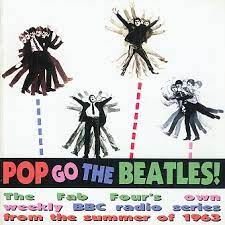
I’m not gonna elaborate too much on this, but it’s at least worth mentioning. The first episode aired on June 4th, 1963, and lasted through the summer with a total of sixteen episodes. The band played their favorite records, interacted with the host, and of course, performed live.
Valentina Tereshkova became the first woman in space on June 16th and still is the only woman in history who’s been on a solo mission to space (according to Wikipedia). She orbited the earth 48 times and spent a total of three days up there.

On June 11th, the Vietnamese Buddhist monk, Thích Quảng Đức, set fire to himself as a protest to the persecution of Buddhists by the US-backed South Vietnamese government. The photograph of his self-immolation, taken by Malcolm Browne, is famous still to this day and won the World Press Photo of the Year. After the suicide the government announced reforms to fix the problem, however, they were never implemented and the prosecution of Buddhists continued until a US-backed coup toppled the government in November 1963.
June 1963 also saw the birth of actor Johnny Depp, artist George Michael, and the Guns’n’Roses keyboardist, Dizzy Reed.
THE ALBUMS
The Three Sounds is a jazz trio from Michigan, USA, that started out as a quartet. Their saxophonist left the group in 1957, so the trio moved to New York and signed for Blue Note Records. Between 1958 and 1962 the band released a total of nine records for Blue Note, but as far as I can figure out, they never really made it big. «It Just Got To Be» was recorded in 1960, but its release had to wait until now for whatever reason. The nice and easy jazz album doesn’t offer up anything spectacular, but it’s a good listen nonetheless.
THE DRIFTERS – UP ON THE ROOF: THE BEST OF THE DRIFTERS
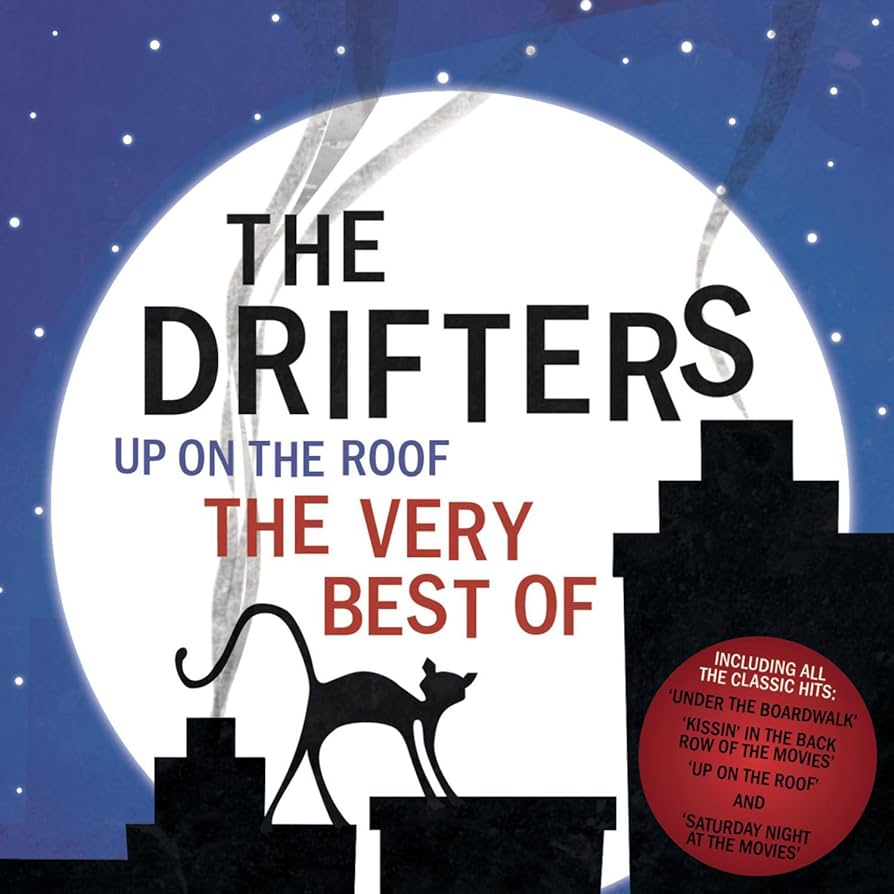
This compilation is comprised of songs from at least four different lead singers if my research is correct. I would have thought that they would add some songs with Clyde McPhatter, but I do believe it’s only songs sung by Ben E. King and Rudy Lewis, plus one by Johnny Moore (who replaced McPhatter for a short while) and two by Charlie Thomas. The history of this band is confusing, with a lot of line-up changes, guys leaving and coming back, people forming their own Drifters, and so on, but I do believe the oldest song on this compilation is from 1956.
The Drifters had their first major hit with Clyde McPhatter in 1953 with the song Money Honey. Clyde only stayed with the Drifters for one year, but they scored enough hits to be known as the best Drifters constellation. As the lineup changed they kept getting hits, and after trying out a few different ones, George Treadwell (the owner of the Drifters name), hired a band called the Five Crowns with Ben E. King as the lead singer to become the new Drifters. King only stayed with the group for a couple of years though, and I believe Rudy Lewis still is the lead singer at this moment.
The album’s oldest song is Ruby Baby, with Johnny Moore on vocals, Ben E. King stars on tracks like There Goes My Baby, This Magic Moment, and Save The Last Dance For Me, Charlie Thomas takes the lead on Sweets For My Sweet and When My Little Girl Is Smiling, and Rudy Lewis takes the lead on the title track, Up On The Roof. All in all it’s a good compilation, but because there isn’t a single song from the first era of Drifters, I wouldn’t say it’s essential. But an album with just the tracks I’ve mentioned is a good one, so yeah.
DICK DALE & HIS DEL-TONES – KING OF THE SURF GUITAR
After his debut album was picked up and distributed nationally by Capitol Records, this next one was released by said label. So he left his own label, Deltone Records, to sign for a major label and adhere to all the things that come with this decision. This would mean that his new label will have a say in song choices as well, and I guess that’s pretty easy to decipher by just reading the tracklist.
There are only two tracks written by Dale on this album, Dick Dale Stomp and Break Time, where the latter might feel like something from his debut, Dick Dale Stomp is both different and familiar. Different because he actually sings, and familiar as it does have that surf groove and sound.
Out of all the other tracks, I guess Hava Nagila is the one that is most true to Dick himself, but he also makes tracks like Greenback Dollar, Riders In The Sky, and What’d I Say sound really good. So, ok, the tracks might be a bit weird for Dick Dale to record, but he doesn’t make a fool of himself at all. The album didn’t really sell, and I don’t think any of the tracks made it to the charts, but I’d still say this is a cool one from Dick Dale, the king of surf guitar.
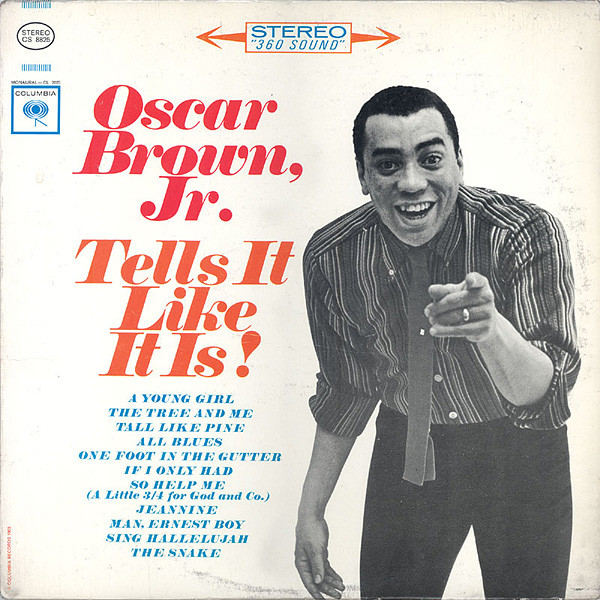
OSCAR BROWN JR. – TELLS IT LIKE IT IS!
Oscar Brown Jr. Wasn’t signed to a record company until he was in his mid-30s and had five kids. Before this he was the ‘’world’s first Black newscaster’’ for a radio program called Negro Newsfront in Chicago, he dabbled with real estate and public relations, ran for office both local and national, and served two years in the U.S. Army. He also wrote music though, and when Mahalia Jackson recorded his song, «Brown Baby», he decided to focus on songwriting.
It might look like I’ve missed some essential works by not paying attention to this guy, like the first major contribution Oscar Jr. made to music with Max Roach in 1960. «We Insist!» was a collaboration between Max Roach and Oscar Brown Jr., which was a record celebrating the black freedom movement in the United States. The album got four stars from «The Penguin Guide To Jazz», which is something it rarely offered, so I’m pretty sure I have to check out this album. Max Roach was the composer, and Oscar took care of the lyrics. The album, or idea, was something Max and Oscar had been working on since 1959.
He also released his debut album as a solo artist in 1960. The album, «Sin & Soul», is now considered a true classic, mainly for tackling the experiences of African Americans, but also for the fact that Oscar was one of the first artists to take popular jazz instrumentals and combine them with self-written lyrics (which apparently started a trend). Tracks like Dat Dere, Afro Blue, and Work Song are the ones I’ve seen highlighted from this album, and it made Columbia Records spend a lot more money on his second album, «Heaven and Hell» (1962), where Quincy Jones and Ralph Burns took care of the arrangements.
His third album fell under the curse of management rearrangement at Columbia, but this one, «Tells It Like It Is», is an album where Oscar was given a lot more creative freedom and where we supposedly get to see him at his best again. And just listening to the opening track, Sing Hallelujah, makes me believe that statement, even though that specific track is the only one on this album Oscar hasn’t helped compose or write. But tracks like Jeannine, The Snake, and the Miles Davis composition All Blues, where Oscar has written the lyrics, prove that he mos def knows what he’s doing. This is a great album filled with jazz and soul, by a new artist (to me at least).
JOHNNY CASH – RING OF FIRE: THE BEST OF JOHNNY CASH

Even though the title claims that this is a compilation of Johnny’s best songs, it isn’t. And from what I understand, it actually isn’t supposed to be either. The more accurate description of this album is that it is a collection of tracks released on singles and EPs on Columbia Records between 1959 and 1963. But I guess that title isn’t as alluring.
Then again, the title fits in the sense of quality. Cause this is a great compilation, with a lot of great tunes. Ring of Fire appears on an album for the first time (not surprisingly considering it was released in April this year), Tennessee Flat Top Box from 1961 is here, and you’ve got other great ones like I’d Still Be There, The Rebel – Johnny Yuma, Remember The Alamo, and Johny Cash’s version of the Bonanza TV-series theme Bonanza! rewritten with lyrics by Cash and Johnny Western.
So yeah, even though this isn’t anything new from Johnny Cash, it is a great album. And considering that he probably still is knee-deep in amphetamines to survive his 300-or-so-shows-a-year schedule, I would say a compilation like this is smart business at the moment. Johnny’s writing game hasn’t been on top lately, so this is a welcome distraction and something to listen to while we wait for him to get out of the gutter.
ERNEST TUBB – JUST CALL ME LONESOME
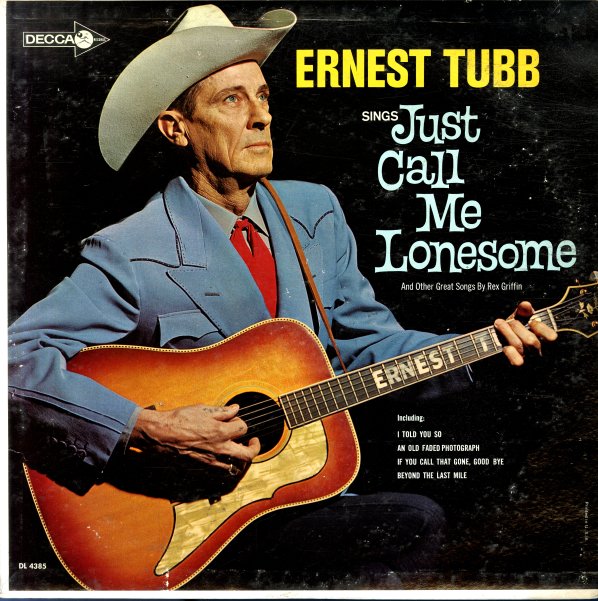
Ernest Tubb, the Texas Troubadour, has been making music since at least 1936 and was signed to RCA Records with some help from Jimmie Rodgers’ widow. His first two records didn’t amount to much, but after he switched to Decca Records in 1940 he was bound for glory. His first major hit, Walking The Floor Over You, brought Tubb to stardom and sold more than a million copies over the years.
Tubb is not known for his amazing voice, but he is, however, known for singing flat. He even made fun of himself for it. But this is country music, and from listening to this guy who can’t sing for shit perform country tunes, I’d say singing flat is perfect for this genre. Another cool story about Ernest is that he once, back in 1957, walked into a building in Nashville planning to shoot music producer Jim Denny, took out his .357 Magnum, and fired two shots at the wrong guy. Luckily he missed though, and this being America, he was just charged with public drunkenness. I’m not sure why he wanted to shoot Denny, but apparently, he was a big-time producer in Nashville and the main man at the Grand Ole Opry.
And now, almost 30 years after it all started, Tubb releases his latest album, «Just Call Me Lonesome». It’s a classic country album without any fuzz and trickery. It’s as straightforward as it could get, but executed to perfection. I don’t know how this album was received at the time, but I kinda like it. My favorite track has to be I’m As Free As The Breeze, but there are many good songs on this album. Well done by Ernest, who turned 49 this year.
PATSY CLINE – THE PATSY CLINE STORY
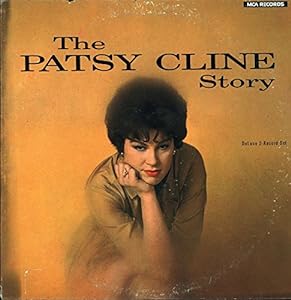
This collection replaces what was supposed to be Patsy’s fourth studio album, «Faded Love», which was planned to be released in March this year. But due to her death, the album was never released. «The Patsy Cline Story» was released three months after her death and is a collection of songs released between 1961 and 1963.
It contains her biggest hits like Crazy, Walking After Midnight, She’s Got You, I Fall To Pieces, but also non-hits like her version of South Of The Border (Down Mexico Way), You’re Stronger Than Me, and Heartaches. It’s a solid compilation and a worthy tribute to this great artist who passed away way too early.
So if you for some reason don’t want to check out her studio albums, this compilation will do the trick. But I don’t know why anyone wouldn’t want to check out her entire discography.
BOBBY VEE – MEETS THE VENTURES
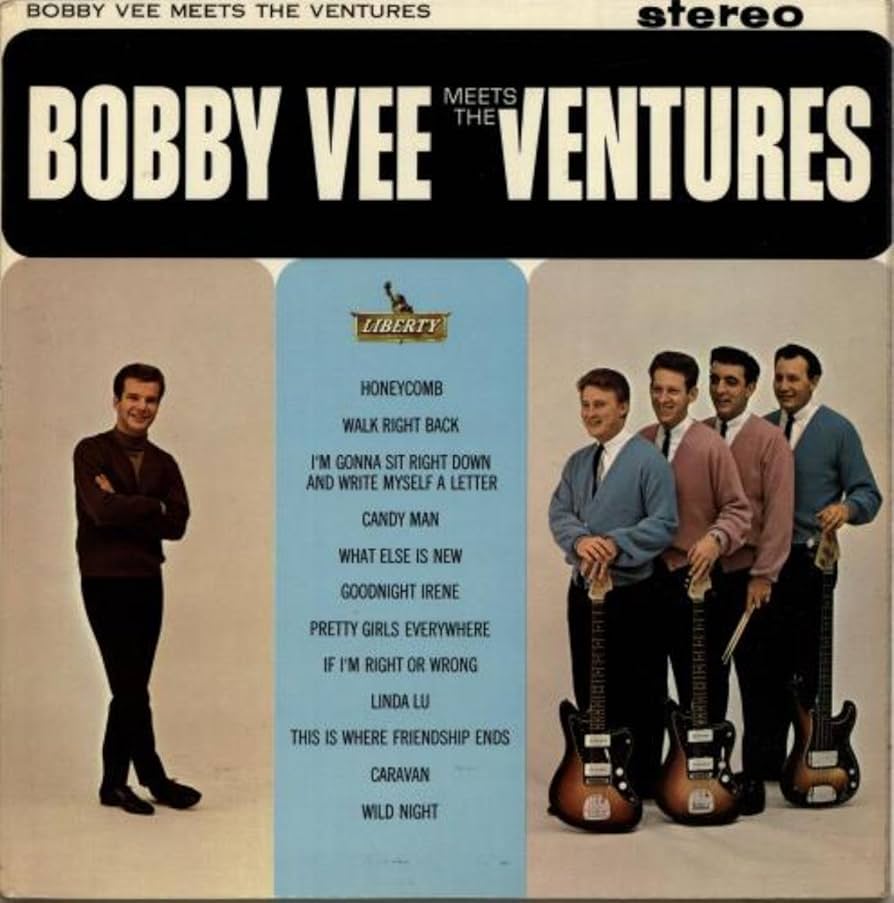
Not that long ago Bobby Vee was in bed with The Crickets and did a pretty good job at it as well, but he’s moved on and is now dating The Ventures. When he met The Crickets it sounded almost like the perfect match, and they gave new life to some classic Buddy Holly tunes and others, but I guess it was like a one-night-stand, much like this record with The Ventures will probably be.
This album is also mainly covers (if not all), and this one even makes The Ventures sound cool. Together they work really well and do great versions of songs like Goodnight Irene, Walk Right Back, and Candy Man. The Ventures does a couple instrumental tracks as well, but it definitively sounds best when Bobby Vee is there with them.
Not sure how this album was received by the public and critics, but I would think that it was well received. It’s a good showcase for both Bobby Vee and The Ventures, and I would even go as far as saying this is something they should stick with (but I’m pretty sure that’s not gonna happen).
The Ventures wasn’t happy with just releasing one album this month, so they put out their «The Ventures Play The Country Classics» as well, but that one’s nothing more than what I’ve come to expect from them, and that’s not much at the moment.
William Patton Black Jr., better known as Bill Black, started out as the bass player for Elvis Presley at Sun Records when Sam Phillips called him up and asked him to play on a session with this new kid. He recorded a bunch of hits with Elvis and toured extensively at the start of Elvis’ career. In 1959 he joined a group of musicians that turned into Bill Black’s Combo, and their «Greatest Hits» is released this month. They were named Billboard’s number-one instrumental group of 1961, and their music was supposedly a popular accompaniment for striptease dancers. The album is good, their sound is cool, and I guess this compilation is a good way to get to know them.
Roland Kirk released an album called «Reeds and Deeds» on Mercury Records. Roland is a jazz multi-instrumentalist who is known for his improvisation as well as comedic banter, political ranting, and the ability to play several instruments simultaneously. And Ike Quebec offered up the album «Blue & Sentimental», which would turn out to be his last. It was recorded back in 1961, but not released until now, six months after Ike’s death. Quebec passed away from lung cancer and struggled with heroin addiction in the last part of his life.
Bill Anderson released his debut single, Still (which I can’t say I was a big fan of), back in January this year, and now he’s out with his debut album, «Still». Both the album and the single did pretty well on the charts, but Bill will need to do more to impress me.
MARTHA AND THE VANDELLAS – COME AND GET THESE MEMORIES

Martha & the Vandellas got their first hit back in February earlier this year with the title song of their debut album, Come And Get These Memories. It reached #29 on the R&B chart and convinced Berry Gordy to release an album on his Motown subsidiary, Gordy Records. «Come And Get These Memories» is packed with songs written by people like Holland-Dozier-Holland, Smokey Robinson, and of course Gordy himself, as well as some standards and covers.
The album also contains their first single, I’ll Have To Let Him Go, which didn’t amount to much when it was released, but sure is good enough to be included here. And other good tracks like A Love Like Yours (Don’t Come Knocking Everyday), Moments To Remember, and Jealous Lover.
All in all, this is a decent debut, and shows enough quality with their singing, at least, to believe that we have not heard the best of Martha Reeves and the Vandellas yet.
QUINCY JONES – PLAYS HIP HITS

I really loved the Quincy Jones album I wrote about from 1962, «The Quintessence», so I was pretty excited to get started on his latest release, «Plays Hip Hits». There’s a big ‘’cool’’ differential in the titles though, so the new one is off to a bad start in that sense. But I guess we’ve all learned not to judge things by their covers by now, so I’m not gonna put any weight on that statement…yet.
Quincy Delight Jones is probably best known for his producing, and making scores for films now, but in 1963 that part of his life has just started. In 1961 he was hired as the vice president of Mercury Records, and around the same time he was asked to make music for a film called «The Pawnbroker», which is due for release next year. So far he has excelled in writing, composing, and arranging music for other artists, and he has released some records himself. «Plays Hip Hits» is his twelfth album since 1955, and while it’s not as cool as «The Quintessence», it has its moments.
I guess this one is a bit more mainstream, with shorter tracks, and more pop-friendly tunes. But it has some good versions of songs like Take Five (Paul Desmond), Cast Your Fate To The Wind (Vince Guraldi), Back At The Chicken Shack (Jimmy Smith), and Comin’ Home Baby (Bob Dorough and Ben Tucker). Quincy will probably never make an album as good as some of those he’s gonna produce, but it’s still kinda cool to check out what he’s done anyway, and some of it is definitively worth checking out.
A band called The Astronauts released their debut album «Surfin’ With The Astronauts» this month, and I wouldn’t call it groundbreaking. They’re another band trying to ride the surf music wave, and while they will become big in Japan at some point, this album isn’t much to write home about. They cover all the major surf songs that have been released so far and then fill it up with something else as well. The album opens with their biggest US hit «Baja», but I can’t say I loved that one either.
LESLEY GORE – I’LL CRY IF I WANT TO
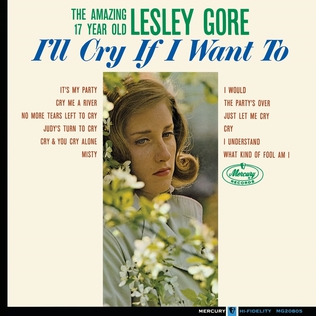
This 17-year-old girl was 16 when she scored her first hit with her debut single, It’s My Party, which was released just two months ago. And since I’ve already written about Quincy Jones and the fact that he’s better known for his producing, I guess it’s in its place to mention that he has produced this album and her first hit.
At first look, this album seems to have an obvious theme to it as five of the tracks, and the album title has the word ‘’cry’’ in it, and if we count the first single (where the album title is taken from), and the song called No More Tears, we’ve got seven songs that seem to focus on crying. So it would make sense for this to be a sad album, but that’s not necessarily the case when it comes to the mood. It’s a pop album about adolescent trauma I guess, and some tunes have a sad meaning, but some are accompanied by almost cheery melodies, and give the mood a totally different feel.
Judy’s Turn To Cry is one of those tracks. It’s the follow-up single to It’s My Party, where Leslie finally gets Johnny back, and Judy is left crying. No More Tears and Just Let Me Cry would also qualify as one of those songs. There are sad ballads here as well of course, like Cry, and Cry And You Cry Alone. The word ‘’cry’’ is starting to lose all its meaning right now…
A pretty good debut from this young girl, with some great pop tunes and hits. The album went all the way to #24 on Billboard’s album chart and will definitively kickstart Lesley Gore’s career.
IKE & TINA TURNER – IT’S GONNA WORK OUT FINE

This is Ike & Tina’s fifth album, and the title is taken from their single It’s Gonna Work Out Fine which they released in 1961. The track is obviously featured on this album as well, but it was originally released about two years ago, and I’m not sure if that means that they believe they haven’t released any good songs since then, or if they just wanted to highlight this one again. Either way, it is a good track to revisit.
Cashbox wrote in 1963 that ‘the package looms as a moneymaker in the R&B market’ about the album, and while I’m not sure how well it sold, I sure do agree with the statement. The album is a party from start to finish, with R&B mixed with rock’n’roll, and an energy that will keep everyone on their toes. Songs like Poor Fool, Gonna Find Me A Substitute, Kinda Strange, and I’m Gonna Cut You Loose are part of what makes this album great, but there really aren’t any downsides to this one.
«It’s Gonna Work Out Fine» also earned Ike & Tina their first Grammy nomination, and even though they didn’t win, it sure shows that they’re doing something right.
UNKNOWN RELEASE DATE
I’m just gonna mention some albums here this month, as I’m not in the mood to do much background on any of them at the moment.
Lou Donaldson’s «Signifyin’» will be released at some point this year. Lou is a jazz saxophonist who was heavily influenced by Charlie Parker, but I can’t seem to figure out if he ever actually made it big. The info I find is mostly about artists he played with, and not so much on his career as a band leader. Anyway, the album is cool, and the very few reviews I read are kinda glowing.
«Watermelon Man» is an album by Mongo Santamaria named after a Herbie Hancock composition which Mongo released as a single back in February earlier this year. The tune is great, and Mongo’s style of music will definitely get a lot of people dancing. I don’t know much about the album release, but his style of Latin Jazz sure makes for some nice listening every now and then.
Memphis Slim and Willie Dixon collaborated on a live album called «Live In Paris», which I would dare to say was recorded in Paris, France, and not Paris, Texas. This album is filled with pretty great blues songs, so if you’re into that kind of music I would give this one a try.
Freddie Roach and his album «Mo’ Greens Please». Roach is known as a soul jazz artist, and his preferred instrument is the Hammond B3 organ. The album is his second as a leader but I can’t find a lot of information about it.
And to end this month’s album ranting I’m gonna finish off with some jazz. You’ve got Don Wilkerson’s «Elder Don» released on the Blue Note label. It was well received by Down Beat magazine in 1963: ‘’Though not an innovator, the leader is a respectable musician. His style is an amalgam of many sources…’’, and the other reviews I found are also very positive. Don is another jazz saxophonist and he’s supposedly best known for his releases in the ‘60s as a bandleader with guitarist Grant Green. This album should be one of those.
THE SINGLES

While Bob Dylan released Blowin’ In The Wind on his album «The Freewheelin’ Bob Dylan» last month, it is Peter, Paul & Mary who will be the first to score a hit with it. Their version of Blowin’ In The Wind will also become the most commercially successful version of it. Albert Grossman, who was managing both the trio and Dylan at the time, gave them the song to record just three weeks after Dylan released his album, and they finished it in one take and watched it soar to #2 on the Hot 100 chart. I would say that Dylan’s version is the better one, but I understand why Peter, Paul & Mary’s version would appeal more to the public at the moment.
The B-side is Flora, taken from their last album «Moving», and I kinda think it is the better song of the two. Not better than the song Blowin’ In The Wind, but better than the trio’s version of it. The song is a traditional British and Irish folk song that has been and will be recorded by artists like Joan Baez and Bob Dylan. The song is originally called Lily of the West.
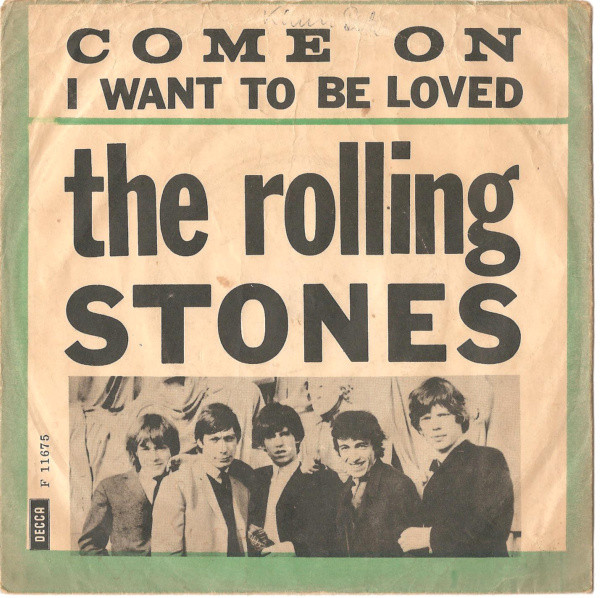
We’re also treated with the debut single from The Rolling Stones this month, which means that another giant has entered our world. Their first effort is Chuck Berry’s Come On, as the band hasn’t started writing their own material yet. And while that’s a bit disappointing, at least they chose a pretty cool song to record. The single eventually rose to #20 (or #21) on the UK chart, so I guess we should call it at least a minor hit, and the band supposedly got tired of the song pretty quickly, and stopped performing it at shows not long after its release. Personally, I like the recording, though it’s definitively lacking some ‘’oomph’’. It feels a bit thin, and I guess that could be because their manager, Andrew Loog Oldham, who didn’t know anything about recording music, produced the single.
As the B-side they chose I Want To Be Loved, a blues song written by Willie Dixon and performed by Muddy Waters. It’s a cool version, and all in all, I would say that the Rolling Stones gets off to a good start.
Andy Williams released a tune called Hopeless, and while the song isn’t necessarily hopeless, the mood of the song sure is. It peaked at #3 on the Adult Contemporary chart, and #13 on Billboard Hot 100. The B-side The Peking Theme (So Little Time) isn’t very noteworthy.
The Monkey Time is written by Curtis Mayfield and released by Major Lance this month on Okeh Records. And truly, I love this song. I believe I heard about Major Lance before this, but I’ve never checked out his music. And if the rest of his releases are anything like this, I believe our relationship is gonna be a good one. The single made it to #2 on the R&B chart, and #8 on the pop chart. I guess the genre Major dabbles in would be something like pop/soul, but I’ve read that it can also be called Northern Soul. No matter what you call it, it’s good.
The B-side is also pretty great. Mama Didn’t Know is also written by Curtis Mayfield, and together with «The Monkey Time» it creates a great single that everyone should have in their collection. I couldn’t find a lot of info on the B-side, but hell, I love that one as well.
The Four Seasons released their first single not written by Bob Gaudio or Bob Crewe, which means that Candy Girl is the first single from the Four Seasons that isn’t written by anyone in the group. It sounds like it’s supposed to I guess, with harmonies, and Frankie Valli’s falsetto, but it is catchy though. I gotta give ‘em that. It did well on the charts as well, reaching #3 on the Hot 100, and #12 on the R&B chart.
The B-side, Marlena, was also a Top 40 hit, making it to #36 on the Hot 100 chart. It was written by Bob Gaudio and is yet another catchy tune with the same ingredients.
Kai Winding, a Danish-born American trombonist, scores his only Top 10 hit with his version of More, the theme from a movie called «Mondo Cane». The instrumental single is quite nice, but I can’t really say anything else about this song.
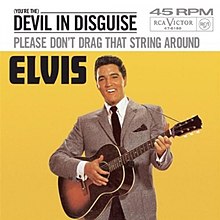
According to Wikipedia, John Lennon said that Elvis Presley’s new single (You’re The) Devil In Disguise was shite (not necessarily in those words) and that he started to sound like Bing Crosby or something. I don’t agree with that statement, cause if you compare this single to almost every song he has released on one of his soundtracks, this is a whole lot better. So I believe the right statement to utter would be something in the way of… “Elvis’ new single proves that he still knows how to record good songs, and that there might be hope for him as soon as he gets out of the movie business”.
The song stopped at #3 on the Hot 100 chart, #9 on the R&B chart (his last Top 10 entry on that chart), and #1 in the UK for one whole week. On the flip side, we’ll find the song Please Don’t Drag That String Around which is a nice tune. It didn’t get much airplay from what I understand, but it does help the package deal of this single.
The Ran-Dells are a bonified one-hit-wonder, and their addition to this month’s singles is what made them exactly that. The Martian Hop is a novelty song which I guess is catchy enough to trick a bunch of people into buying it, but it’s obviously more annoying than anything else. The song went to #16 on the Hot 100 chart, and they never managed to produce anything as successful again.
The B-side, Forgive Me Darling (I Have Lied) is way better, but I can’t find any information about that one. In my opinion, it’s a much more deserved A-side than The Martian Hop, and is a pretty good song in the vein of the Everly Brothers.
«Presenting The New Christy Minstrels», the debut album from The New Christy Minstrels, was released in 1962 and won a Grammy for Best Performance by a Chorus. But I still managed to overlook this release. Not a big deal, but I still feel like I had to mention it for the sake of history. Green, Green is their latest single, written by Barry McGuire and founder of the group, Randy Sparks. It’s the group’s first hit as it reached #14 on the Hot 100 chart, and #3 on Easy Listening, and it will be covered by plenty of bands and artists over the years.
On the B-side, they’ve got a song called The Banjo, which I will remember best for that one annoying sound that doesn’t seem to belong (it’s supposed to be there though, and I’m pretty sure you know which sound I’m talking about if you listen to the track).
‘’The No-Hit Supremes’’ (as they are called by the Motown staff) has still not hit their stride, and their new single, A Breathtaking Guy, doesn’t go higher than #75 on the Hot 100 chart (it is their highest charting single so far though). The song was written and produced by Smokey Robinson, the last single he’ll produce for The Supremes until 1969. The original title for the song was A Breathtaking, First Sight Soul Shaking, One Night Love Making, Next Day Heartbreaking Guy, but for obvious reasons, they changed it before its official release. The song is also one of the very few songs where all three members of The Supremes sing lead, even though it’s only a line each during the chorus. But at least Mary Wilson and Florence Ballard got to step out of Diana Ross’ shadow for a brief moment.
The B-side kinda proves that Motown is struggling to figure out what to do with The Supremes. (The Man With The) Rock And Roll Banjo Band is just completely misplaced in the hands of The Supremes, and it kinda makes them seem a bit like a joke. I’m not sure how this one was received at the time, but right now it sounds pretty silly. The track isn’t terrible, but it sure doesn’t fit this trio.
Another band from Berry Gordy’s roster that hasn’t broken through just yet is The Temptations. And like their ‘’sister’’ group The Supremes, they have a nickname at the Motown offices as well; The Hitless Temptations. After their new single, Farewell My Love, they will have gone without a hit since 1961, and their first one won’t come until next year. Farewell My Love is a decent ballad written and produced by Berry Gordy.
They paired this with May I Have This Dance, another decent tune. None of them made it to any charts, so The Temptations needs to wait a bit longer for their breakthrough.
Del Shannon decided to record From Me To You after he saw The Beatles perform it live at Swinging Sound ‘63, where he was on the bill as well. He told John Lennon after the show that he wanted to record it, and even though Lennon was flattered at first, he quickly came to the conclusion that it might hurt their own chances of scoring a hit in the US, so The Beatles released it last month in the US. None of them became big hits though, but Del Shannon’s version became the first Lennon-McCartney composition to enter the US charts peaking at #77. Del’s version is almost identical to the original, except for a slightly higher tempo.
As the B-side, Del recorded a song called Two Silhouettes. It’s another one of Shannon’s pretty good songs, and it lets him continue his streak of not releasing bad music.
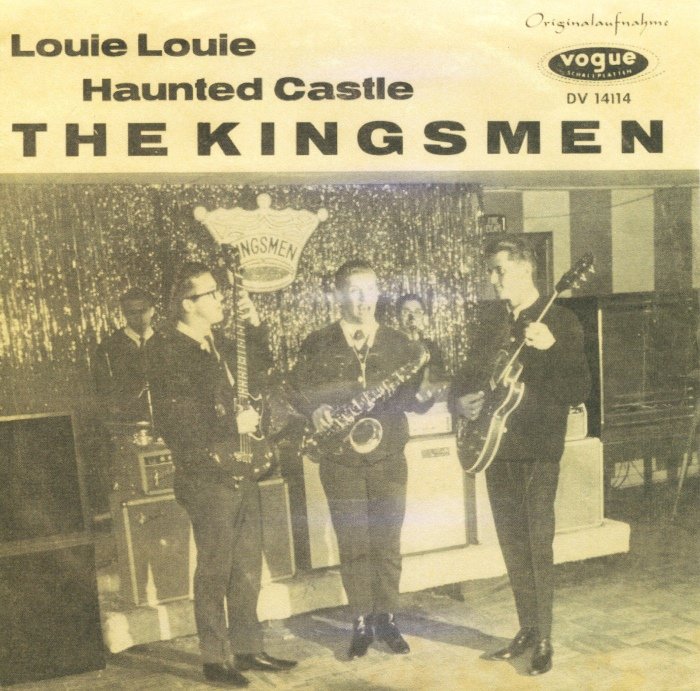
Louie Louie is, according to Wikipedia, one of the most recorded songs in history. It was Richard Berry who wrote it and first recorded it back in ‘56, but unfortunately, he sold both the publishing and songwriting credits to the head of Flip Records for $750 (he eventually got the rights back in the ‘80s while he was living on welfare). Rockin’ Robin Roberts and the Wailers released a version in 1961 that became a local hit in Seattle and across the border in Vancouver, but it was The Kingsmen who made this song famous.
Released this month, The Kingsmen’s version of Louie Louie is based on Rockin’ Robin’s rendition of the song, and it was planned to be recorded as an instrumental track. Lead singer Jack Ely, however, decided as they started to record that he wanted to sing it, and that’s kinda how this classic was created. The slurred lyrics (due to the microphone hanging over the group as they recorded) started a rumor, and controversy, that they contained profanities, graphicly depicting sex between the sailor and his girlfriend. Teens even started saying that they had the real lyrics on crumpled-up paper. As a reaction to these rumors, the song was banned on multiple radio stations and in many places in America, including Indiana where the the governor himself requested the ban. The FBI even investigated the matter for 31(!) months (so much for free speech), but couldn’t find any proof and concluded that they were ‘’unable to interpret any of the wording in the record’’. The band has always denied the allegations, but the drummer admitted that he once said ‘’fuck’’ during the recording when he fumbled a drum fill.
To begin with though, the single sold poorly, and it was even featured as ‘’The Worst Record of the Week’’ by the biggest DJ in Boston. This act of disgrace, however, turned everything around. After it was featured on the radio in Boston the single started climbing the charts and was listed as a regional breakout in Billboard. By late 1963 the song entered the Top 10 on the Hot 100 chart and eventually peaked at #2. And the rest is history I guess. This song is one of the most recognizable throughout history, it has been covered by multiple artists, and it is said to be the start of punk rock. So I guess the only thing left to say is what Jack Ely screams before the guitar break; ‘’Let’s give it to them, right now!’’
The B-side is an instrumental called Haunted Castle.
UNKNOWN RELEASE DATE
Stranger Cole released a single called We Are Rolling sometime in 1963, and compared to what he has released earlier I gotta say it’s a bit of a disappointment. He tries something new with the recording of his vocals I guess, and it just doesn’t sit right with me. The B-side, Millie Maw, is definitively the better of the two, however, it’s not really great either. It’s more of a ballad approach that works quite well.
A Brazilian duo called Los Indios Tabajares recorded a Mexican tune called Maria Elena in 1958 which became a hit in Mexico and throughout Latin America. In 1963 it was released in the US and became a hit both there and in the UK. It’s an instrumental tune written by Lorenzo Barcelata and it was featured in the Mexican film of the same name in 1936. It seems like Maria Elena would be the duo’s biggest hit. It is paired with a tune called Jungle Dream.
The Swedish singer Lill-Babs released a Swedish version of Nat King Cole’s Those Hazy-Lazy-Crazy Days Of Summer, which again is an American version of the German original Du spielst ‘ne tolle Rolle. The Swedish version is called Gröna granna sköna sanna sommar, and other than being sung in Swedish it’s pretty similar to Nat’s version. It became a hit in Sweden at least, but I haven’t found much more information than that. Lill-Babs is one of Sweden’s most famous artists throughout history.
Another Swedish artist releasing music in 1963 was Alice Babs (no relation to Lill-Babs). She released a song called En herrskapstrall which is a jazzy tune I guess. I hated it to begin with, but it actually grew on me.
The Hollies’ second single is another track by The Coasters, Searchin’. It went to #12 in the UK, but for some reason, it still seems like a song that most would be happy to forget cause I can’t find any information about the fact that The Hollies recorded it. But I still think it’s a pretty cool version. Compared to The Coasters, I would choose The Hollies 8 out of 10 times. Their B-side, Whole World Over is a lot better, and I know even less about that one.
The Maytals continue on with their strong start with another great song called Just Got To Be. It’s everything you’d want a ska song to be in 1963, and probably 2023. The B-side is You Make Me Do, and while it’s not as awesome as the A-side, it sure is better than Stranger Cole’s effort which I wrote about further up.
The last single I’ll write about this month is from the Norwegian group The Vanguards. This is their second single, another double instrumental, and they’ve gotten a bit better if you ask me. The A-side, Vanguard Special, doesn’t lack anything to compete with international bands in the same genre like The Shadows and The Ventures. The B-side, Poinciana, is also a solid piece. Still not my kind of music, but I’m at least glad to see a Norwegian band showing quality.
THE CHARTS
Billboard Top 10 Singles Chart
Week 1 (June 1, 1963)
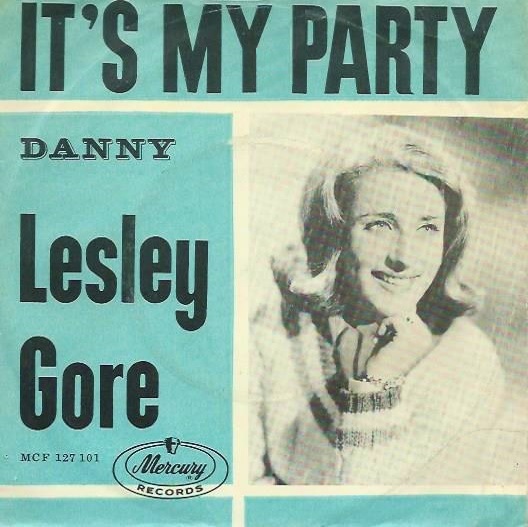
- It’s My Party – Lesley Gore
- If You Wanna Be Happy – Jimmy Soul
- I Love You Because – Al Martino
Week 2 (June 8, 1963)

- It’s My Party – Lesley Gore
- Sukiyaki – Kyu Sakamoto
- Da Doo Ron Ron (When He Walked Me Home) – The Crystals
Week 3 (June 15, 1963)
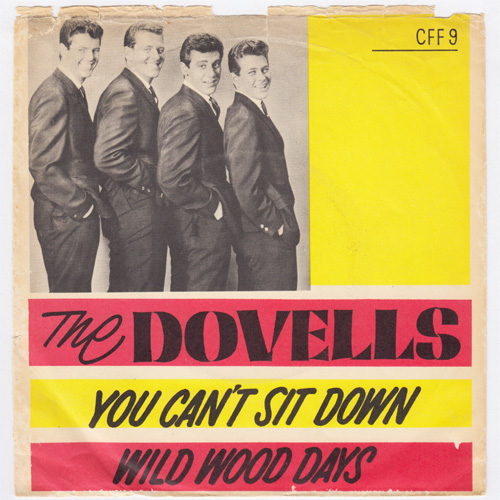
- Sukiyaki – Kyu Sakamoto
- It’s My Party – Lesley Gore
- You Can’t Sit Down – The Dovells
Week 4 (June 22, 1963)

- Sukiyaki – Kyo Sakamoto
- It’s My Party – Lesley Gore
- Hello Stranger – Barbara Lewis
Week 5 (June 29, 1963)
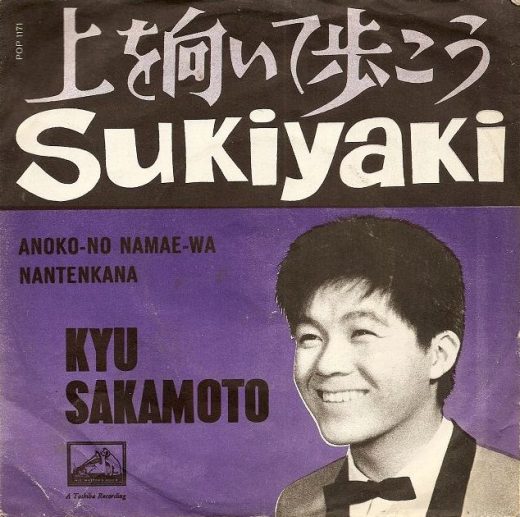
- Sukiyaki – Kyu Skamoto
- It’s My Party – Lesley Gore
- Hello Stranger – Barbara Lewis
There’s only one unknown on the Top 10 this month, and that’s Lonnie Mack’s first single Memphis. Lonnie Mack got the 20 minutes left on the studio-rental time after backing the Charmaines, and recorded this version of Chuck Berry’s «Memphis, Tennessee». Lonnie didn’t offer the recording too much thought after it was done and just went on tour playing every roadhouse between Cincinnati and Miami, and didn’t know that his song had become a hit until some local DJ told him.
COUNTRY CHART
Dave Dudley enters the Top 10 for the first time in his career with the song Six Days On The Road. It’s cool in a funny kind of way, with his trucker lyrics and rockabilly style. The song was originally released by Paul Lavon Davis in 1961 to little fanfare.
Webb Pierce is the other new artist in the Top 10 this month, but he’s no stranger to the top of the charts. In the ‘50s he charted more #1 hits than any other country artist, and so far in the ‘60s, he’s had a string of Top 10 entries. Sands of Gold, however, does little to make a stand as a great country tune. I’ve listened to it all day, and I still can’t sing along to the chorus, and to be honest, I still have no idea what sands of gold are.
R&B CHART
Three new additions to the R&B Top 10 this month. The Orlons scored their last Top 10 hit with a pretty great song called Not Me. It stands out from their previous singles by being more up-tempo and cheerful. I like it.
The Tymes reaches #4 with their debut single So Much In Love. It will also eventually reach #1 on the Hot 100 chart, so a true crossover hit in every sense. This group is best known for being one of the very few acts to have one, only one, chart-topper in both the US and the UK with different songs. So Much In Love is a remake of Johnny Mathis’ hit from 1957, and it’s a sweet little tune.
Your Old Stand By is the third single by Mary Wells in 1963 to enter the Top 40 (Hot 100), so I guess that would make this year a successful one for her. The song was written by Smokey Robinson and Janie Bradford, and it stopped at #8. Another good song by Mary Wells in my book.
Petter Milde
This Band Could Be Your Life
 This Band Could Be Your Life