The Beatles travelled to Sweden this month, which was their first trip abroad after breaking through. What’s interesting about that is that they only played in Sweden, not in any other country. And they played many concerts there as well.
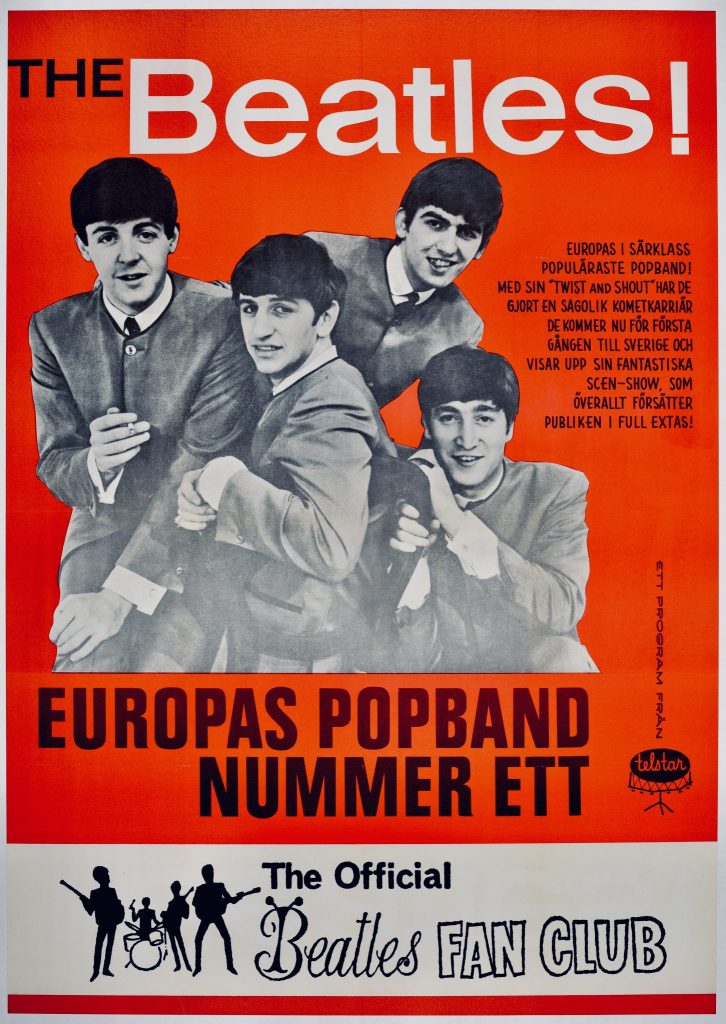
The Beatles had just finished the last recording session for their second album, «With The Beatles», and now they were flying to Stockholm, Sweden, to play some shows and some promotion. Why Sweden was chosen as the destination is beyond me, but I guess they had a good reason. From what I’ve read, the Beatles weren’t selling really well in Sweden, but I can’t for the life of me believe that the reason they went there was to change it. Sweden is a pretty small country population-wise compared to a lot of European countries, so that wouldn’t make much sense. But I guess they had to start somewhere.
When they landed at Arlanda Airport, they were greeted by about ten Swedish girls who were excited to see them, and compared to what that will be like for them in some months, I would say that’s a pretty calm welcome for the lads. The next day, the band recorded a radio appearance for Sveriges Radio, the Swedish National Radio, for a show called Pop ‘63, where they played for a hundred lucky people who had gotten tickets. They performed seven songs, and apparently, they played so loud that the sound engineer had problems with distortion all through the show.
The tour of Sweden started on October 25 in Karlstad, then went on to Stockholm, Gothenburg, Borås, and Eskiltuna. I get why they went to Stockholm and Gothenburg, as they are the biggest cities in Sweden, but the other three seem completely out of place. In Karlstad, they didn’t even sell out the 750-capacity venue, but in Borås and Eskiltuna, they actually had over 2,000 fans in the audience. Borås was the biggest show of the tour, with 2,500 people in attendance. They played multiple shows in most of the cities/towns, and together they ended up playing nine concerts in Sweden in 1963.
Before they left Sweden though, they stopped by Stockholm once more to record a television show called Drop In. Here they played four songs that you can see here:
When the Beatles finally got back to their beloved England, where Beatlemania was well on the way, they were met by thousands of fans awaiting their return at the airport. There were so many people there that the Beatles thought they were waiting to see the Queen, but soon realized that the people were there for them. At the airport, Ed Sullivan was either inside the airport or taxiing in a plane, seeing the commotion that the Beatles made happen, and supposedly decided to book them for his show after this. The Beatles have tried to break through in the US, but so far they have been unsuccessful. This chance encounter might just change that.
In the US, another big star was visiting Shreveport, Louisiana, to play a concert (I guess). Sam Cooke wasn’t visiting another country, but it might as well have felt like it. Cause Sam had booked rooms at The Holiday Inn just outside of Shreveport for him, his wife, and his touring entourage, but when they arrived at the hotel, they were not given the rooms. The problem: they were black. Sam and the rest left the hotel angry, blasting their horns and yelling curses, and found lodging at a Black-owned hotel where they were later arrested. You see, the guy who refused them rooms at The Holiday Inn had called the cops, complaining about the racket they made after he threw them out, so the police saw fit to put them all in jail for public disturbance. Welcome to the South, Sam. Welcome to America.
They were released in the afternoon, so they only spent some hours in jail, and paying their bond of $102 per person got them out. But still, the experience probably set Sam Cooke’s mind off. Thinking about all the racial hatred, about Martin Luther King Jr.’s speech just some weeks ago, about the Ku Klux Klan bombing in Alabama that killed four Black girls attending Sunday School. Some people think this situation is what sparked Sam to write his masterpiece. After experiencing this, seeing all the unjust things happening to Black people all across the US, and on top of that, some white dude called Bob Dylan was writing songs he felt he should be writing. Sam is getting close to something big, but unfortunately, it was racial hatred that pushed him there.
October also saw Hurricane Flora, one of the deadliest Atlantic hurricanes recorded in history, ravaging Haiti, Cuba, and the Bahamas. Flora killed 7,193 people, reached maximum winds of 233 km/h, and swept over the islands for almost two weeks.
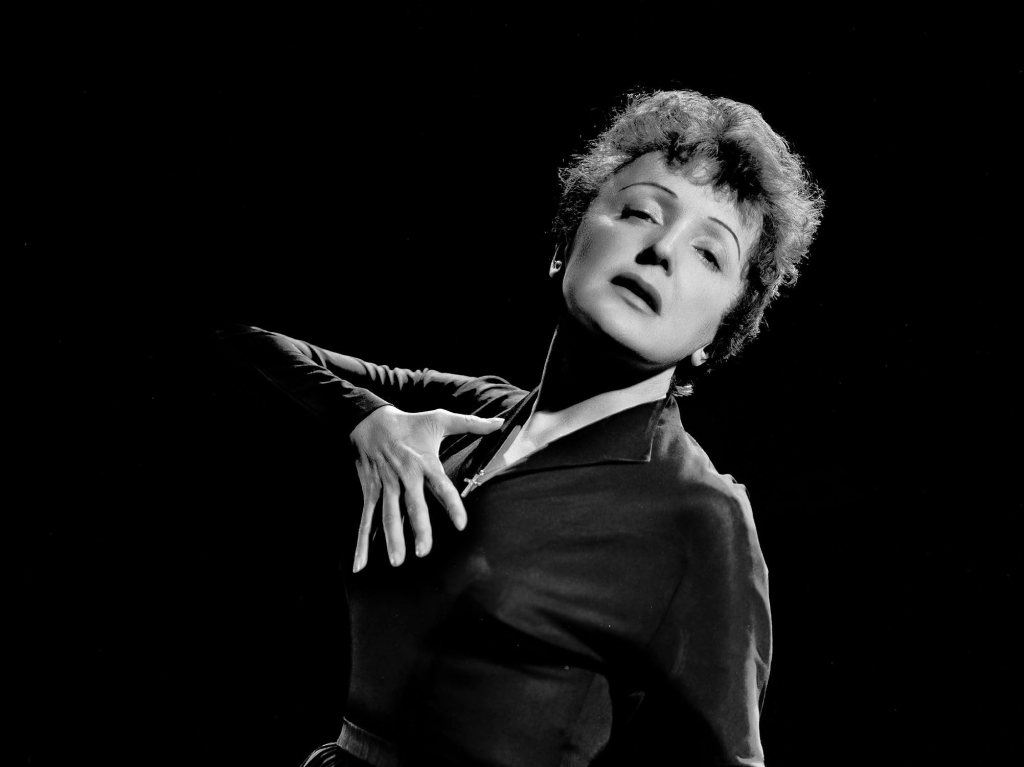
In addition to the 7,193 people killed by Flora, Édith Piaf lost her battle with liver cancer this month. Édith started singing on the streets with her father at the age of fourteen, and really broke through during the German occupation of France. After the war, she started branching out, playing concerts in South America, Europe, and the US, where she also made eight appearances on The Ed Sullivan Show. Édith Piaf’s best known songs include Non, je ne regrette rien, La Vie en rose, Hymne à l’amour, Milord, La Foule, L’Accordéoniste, and Padam, Padam.
During World War II, she was accused of collaborating with the Germans, but a member of the French Resistance spoke in her favor, saying she performed several times at prisoner-of-war camps in Germany and was instrumental in helping a number of prisoners escape.
She is considered to be one of France’s greatest popular singers and one of the most celebrated artists of the 20th century. Her last words were ‘’Every damn thing you do in this life, you have to pay for’’, according to The Daily Telegraph.
After all this death, I guess it’s nice to hear about some life as well. As far as I could find, there weren’t many people born this month worth mentioning. One of the guys I found is Vegard Ulvang, a cross-country skier from Norway who will be at the top of his game in the ‘90s, and is probably better known now for his wool socks, Ulvang-sokkene. I’m pretty sure every Norwegian household has had a pair of these in their closet at some point. The other guy is someone who’s hated as much as he is loved, namely Rob Schneider. He will become an actor at some point, playing minor roles in big movies or big roles in minor movies.
THE ALBUMS
BEACH BOYS – LITTLE DEUCE COUPE
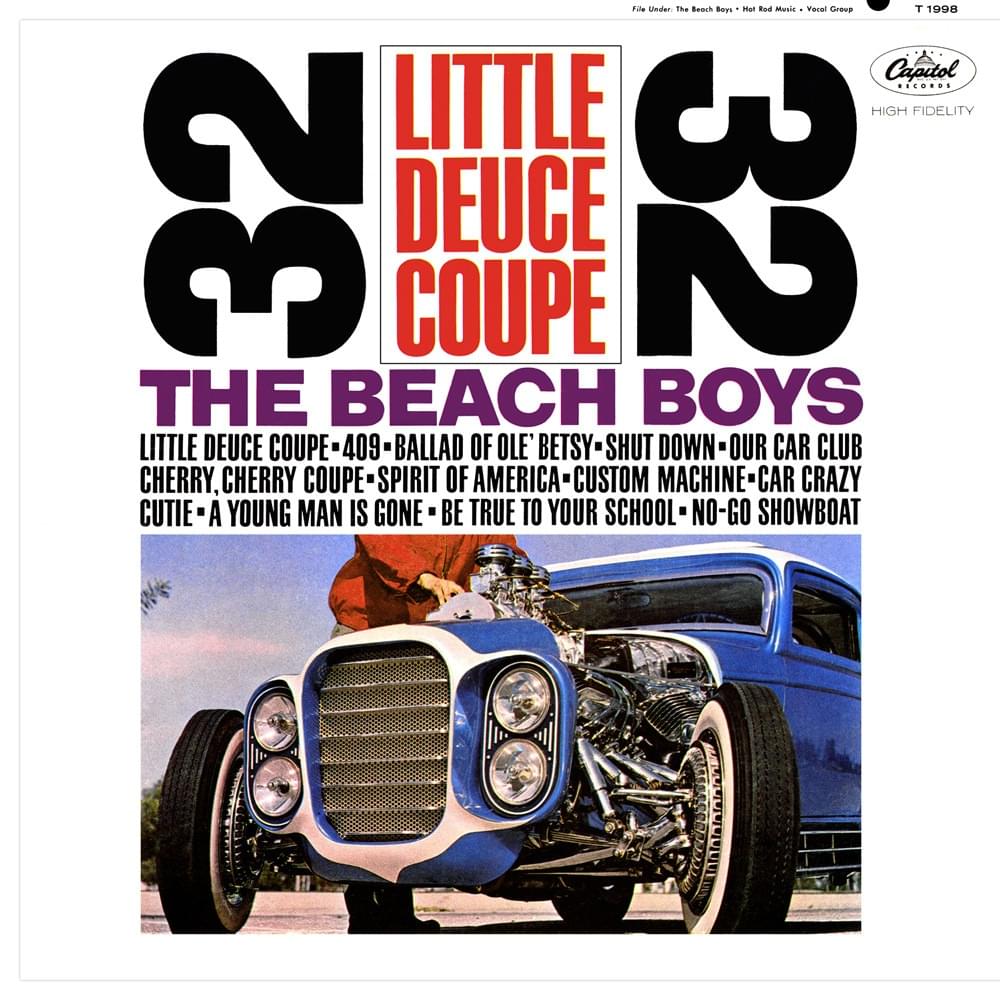
The fourth album, and third in 1963, from the Beach Boys was released just three weeks after their last one, «Surfer Girl». This obviously seems a bit rushed, and I haven’t really figured out why it came to this, but I guess they just had the material ready and figured ‘’why wait?’’. It could be that the Beach Boys phenomenon had reached the UK, had something to do with it, as «Surfin U.S.A.» had made them big over there this year. But this is all just speculation on my part. «Little Deuce Coupe» is out, and that’s something we all gotta deal with, no matter what.
Again, we’ve got Brian Wilson running the show. He’s been co-writing eleven out of twelve tracks, he has produced all the tracks on the album (one with his father, Murray Wilson), and proves himself to be the definite leader of the Beach Boys. And this guy is just 21 years old. That’s something I’ve overlooked, actually, cause none of these boys are very old. Mike Love is 22, Al Jardine just turned 21, Carl Wilson is just 17 years old, Dennis Wilson is 18, and David Marks has barely entered his teenage years at 15. That’s pretty crazy, right? So far, they’ve had ten charting songs in the US since 1961, three of them in the Top 10. And I say three, because the one single released from this album, Be True To Your School, was released this month as well, and will peak at #6 on the Hot 100 at some point.
Be True To Your School is my absolute favorite on this album, by the way. I think it’s the intro that really makes it for me, as it just feels like something I’ve never heard before. It feels like a warrior’s song when it starts, and even though it mellows out into the regular happy-go-lucky Beach Boys thing, I still love it for that intro. There’s an album version and a single version of this song, though, but the album version works a lot better. The single version has cheerleader yells from The Honeys, a band that Brian Wilson worked with (songwriting and producing), and where his girlfriend (and soon-to-be wife) Marilyn Rovell sang. The song is a tribute to Hawthorne High School, where the Wilson brothers went to school, and features the melody of the school’s fight song (which I believe to be a song played before the school plays American football games or something).
Even though they only released one single from the album, there are some other good songs on «Little Deuce Coupe». I’m partial to Car Crazy Cutie, and some tracks that have already appeared on other albums: Our Car Club, 409, and Shut Down. This might not be the best album in the world, and it might not be filled with hits, but just listening to the harmonies these boys create is a delight. But I gotta confess that the first four albums from the Beach Boys haven’t been life-changing for me, at all. There are some great tracks here and there, but I guess I’m still waiting for Brian to really get out of, or rather in to, his shell.
A guy called Grant Green released an album called «Feelin’ The Spirit» this month, a jazz album with sidemen like Herbie Hancock on the piano, and Billy Higgins on drums, who has played with everyone from Thelonious Monk to Dexter Gordon. Grant himself plays the guitar, which he has done since he was a kid. He studied the instrument at primary school, learned from his father, but is mostly self-taught. It was Lou Donaldson who discovered him and introduced him to one of the founders of Blue Note Records, where he became a sort of house guitarist. After his first three albums as a leader, he was named ‘Best New Star’ in the Down Beat Magazine Critics’ Poll in 1962. That leads us to his newest album, which is a very soothing piece of work, and while I can’t say it’s one of my favorite jazz albums, it sure is pleasant. Other reviews I’ve read have been very complimentary, so I guess it’s even better than I believe it to be.
DICK DALE AND HIS DEL-TONES – CHECKERED FLAG
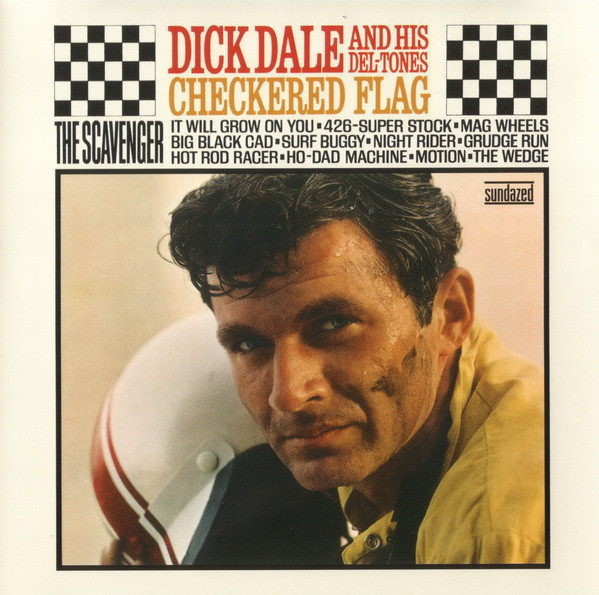
Dick Dale’s third album sees him change from water to dirt. From surfboards to cars. Kinda like the Beach Boys did this month. Where Dick is best known as the ‘King of the Surf Guitar’, the inventor of instrumental surf rock, this album has only one track with surf in its title, and the album title is obviously a reference to racing. Being an outsider in both cultures myself, I don’t know how close these two things are, but considering both the Beach Boys and Dick Dale easily enough jump from surfing to cars/hot rods/racing, I would guess that they are somewhat related.
That being said, this album isn’t without Dick’s trademark: the fast-paced, wild surf guitar. Just listen to The Wedge and Night Rider, two of the absolute best tracks on the album. I think all the tracks that are composed by Dick himself, all of them instrumental, of course, are in the style that one would hope for and expect from this surfing legend. Tracks like Surf Buggy and Ho-Dad Machine might not be as wild and fast, but they have that surfing style that suits Dick so well. Cause the tracks that are written for him, all of them with vocals, aren’t really that great. The Scavenger, Big Black Cad, and It Will Grow On You all have this hint of a novelty vibe about them, which kinda takes away the coolness of it.
The album made the charts, as did the single, «The Scavenger», but unfortunately for Dick, this would be the last time that happened. With the Beach Boys and other surf rock acts taking over, the instrumental surf rock was losing ground, and Dick was soon sent back to being the local hero. Cause there he never lost his status, and he would always be an inspiration to other artists. This isn’t the end of Dale’s recording career either, so even though this might read like the end, there are still albums to come, and I’ll try to keep up with them.
Influenced by John Coltrane and Sonny Rollins, the tenor saxophonist Joe Henderson studied music at Kentucky State College, Teal School of Music, and Wayne State University in his youth, and started his career at Blue Note Records as a sideman for players like Kenny Dorham, Lee Morgan, and Andrew Hill. «Page One» is his debut album, and here Kenny Dorham is his sideman, as well as McCoy Tyner, to mention a couple. «Page One» has been described as conservative hard-bop (whatever that means), and all the compositions are written by Joe Henderson himself, except for two, which are written by Kenny Dorham. Blue Bossa by Dorham and Recorda Me by Henderson are now considered jazz standards, which should say something about the quality of this album. The reviews I’ve read, however, are not unanimous. A lot of them are great, but PopMatters, for instance, was not as convinced. Personally, I think this is a pretty great jazz album, easy to listen to (as seems to be my go-to reason for liking jazz albums), and catchy enough to listen to on an easy evening just chilling at home.
THE CLANCY BROTHERS AND TOMMY MAKEM – IN PERSON AT CARNEGIE HALL
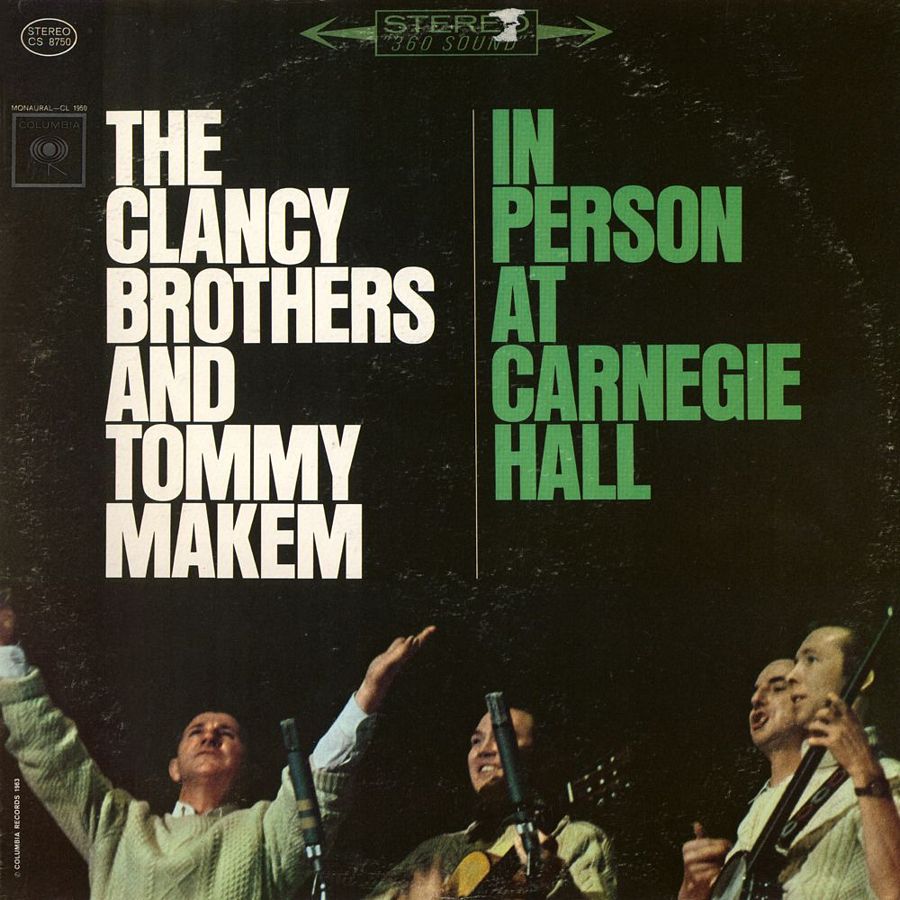
The brothers Liam, Paddy, and Tom eventually ended up in New York together after starting their lives in Ireland. Here, they tried their luck at acting, both on Broadway and off-Broadway. When Tommy Makem joined them over in the Land of Opportunities, they formed a record label named Tradition Records and decided to release an album to get the whole thing started. «The Rising Of The Moon», an album of Irish rebel songs, was released, and they kinda just went back to acting. It wasn’t until the album became a local hit, and Makem and the brothers were asked to sing in pubs and at parties, that they started toying with the idea of actually going all in as a singing group.
So in 1959, they released their second album, «Come Fill Your Glass With Us», a collection of Irish drinking songs that became a success, and their future was set. They started playing the pub circuit in New York, Boston, and Chicago, and in 1961, they were booked for The Ed Sullivan Show, where they got 15 minutes playing for around 40 million viewers. This again led to Columbia Records signing them, with whom they signed a five-year contract and received $100,000 in advance. That was a lot of fucking money in 1961, so that tells me that the record label had a lot of faith in these four boys from Ireland.
The group was now on its way to becoming stars in the US, and in 1962, an Irish radio personality heard the group while visiting America and brought the music back home, which in turn paved the way for international stardom. Now, it might be difficult to understand how an Irish folk group could become as big as these boys did, and I’m right there with you. But from what I understand, it was just the time and place that all fit together with The Clancy Brothers and Tommy Makem’s career. The folk revival was already on its way when they started, and a lot of artists were popularising old songs, so the Irish lads just fit perfectly into that situation. It’s also credited to the fantastic live performances they offered up, and the fact that they commercialised a lot of slow Irish folk songs, giving them new life.
This brings us to their latest album, «In Person At Carnegie Hall», an annual concert on St. Patrick’s Day, if my information is correct. At this time, they were hailed as “the most famous four Irishmen in the world”, and the album would become the most successful album of their career. It was recorded in March this year; however, two of the songs were taken from a concert at Carnegie Hall last year. The craziest thing about this album is that it broke into the Top 50 on the American Top LPs chart, something I don’t believe has ever happened for an Irish folk group before. So yeah, this album was a great success for the four Irishmen, and while I can’t say that this album does anything for me, it sure made an impact on a lot of people in the ‘60s. So did the group, and I can just congratulate them on that feat. I can’t really present you with any favorite songs, so I’ll just mention the likes of Johnson’s Motor Car and Oro Se Do Bheatha Bhaile.
I found this album called «Sacred Songs», which is a reissue of an album released by The Chuck Wagon Gang at some point. The gang is a family band that was formed way back in 1935 by the father, David P. ‘’Dad’’ Carter, and evolved into a family thing as soon as his kids were old enough, I guess. They made their first recordings for Columbia Records in 1936 and would end up with more than 70 albums throughout their career, selling something like 30 million copies of their gospel music around the world. In 1951, they left for their first major tour, which they kept going for years, playing all over the US, including venues like The Hollywood Bowl in Los Angeles, Carnegie Hall in New York, and the Grand Ole Opry in Nashville, where the group drew big crowds. In 1955 ‘’Dad’’ collapsed following some heart trouble in Oklahoma City, right before he was supposed to go on stage, and he was forced to stop touring. He actually passed away this year, and maybe that’s why there is a reissue of this album. This kinda music is definitely not for me, but I just thought this was interesting enough to mention. If you wanna check it out, you can do so on your own. I don’t need too much gospel music on this site.
I’ve found three Christmas albums that were released this October, and I figured I’d just kinda pool them together here. I’m a fan of Christmas music, but I’ve realized that an entire album might be too much for me. I’ve got a playlist where I’ve tried to add all the best Christmas tunes ever released, and I can listen to that one every Christmas without a problem, but this is proof that there can be too much of a good thing.
The New Christy Minstrels released an album called «Merry Christmas!», and what’s most interesting about this one is that the founder of the New Christy Minstrels, Randy Sparks, has co-written/written nine of the twelve songs recorded for this album. That means that they released a Christmas album that still sounds new to me in 2024, as I don’t think I’ve heard any of these songs before. The band consists of nine members at the time of this album’s release, so there are a lot of things happening in the arrangements here, and as folk music goes, this is really good. Tracks like Beautiful City, Tell It On The Mountain, and It’ll Be a Merry Christmas When He Comes are probably the best cuts here, but all in all, it’s a very enjoyable Christmas album. Gene Clark might be a part of this album as well, as he joined the band in 1963 and recorded two albums with them before leaving to start The Byrds.
The second one is «Christmas With The Miracles» by The Miracles. This one is more traditional, I guess, at least when it comes to the material. Tracks like Santa Claus Is Coming To Town, Winter Wonderland, and O Holy Night are not surprise additions to any Christmas album, but at least The Miracles does it their own way so that it doesn’t sound like every other version of the song. My favorite song is the one that Smokey has written. It could be because it’s a new Christmas song to me, but I do believe Christmas Every Day is a good Christmas song. Smokey is also in charge of the production on this album, together with Ronnie White.
The last one is the one I’m least excited about; Johnny Mathis’ «Sounds Of Christmas». Not because I’ve heard that the album sucks, but because Johnny Mathis is boring. Everything I’ve heard from him so far in the ‘60s has been dull. Kinda like a male Connie Francis. But I’m open to giving every artist more chances, so I’m not gonna write this guy off just yet. «Sounds Of Christmas» is his second Christmas album, and his first effort, «Merry Christmas», did really well, reaching #3 on the LP chart in 1958. This year, Billboard got a new thing going, the Christmas Albums chart, so it’s more difficult to weigh in on how well this new one did, but it did go all the way to #2 on that chart. I’m also pleasantly surprised by this album, cause Johnny Mathis makes some of this sound pretty good. I’m partial to The Sounds of Christmas, Have Reindeer, Will Travel, and Rudolph, the Red Nosed Reindeer, but none of them will be added to my Christmas playlist. Just to clarify, I like the ‘Rudolph’ song because I don’t think I’ve ever paid attention to the lyrics and didn’t realise that Rudolph was bullied by the other reindeer at the beginning. So when he became their hero at the end, it kinda got to me a bit…
PETER, PAUL & MARY – IN THE WIND
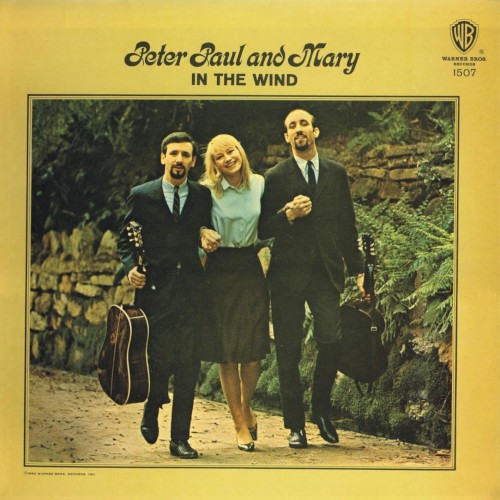
The third album from Peter, Paul & Mary is called «In The Wind», and is released on the wave of their last two hits, Blowin’ In The Wind and Don’t Think Twice It’s Alright. Both of those songs are written and better known (at least in 2024) by Bob Dylan, but it was Peter, Paul & Mary who brought them to fame in the ‘60s, taking «Blowin’ In The Wind» to #2 on the Hot 100 chart, and «Don’t Think Twice It’s Alright» to #9. They’re both part of this album, along with a third Bob Dylan song, Quit Your Low Down Ways, and the reason Peter, Paul & Mary keep recording Dylan songs is that they share the same manager, Albert Grossman.
According to Billboard Magazine, issued October 5th, 1963, the trio has just returned from a trip to Europe, where they participated in Oktoberfest and recorded German-language music in Germany, and played concerts and appeared on TV in Frankfurt, Wiesbaden, Paris, London, and Milan. Returning to the US, they are getting ready to play Carnegie Hall this month, and receiving some good news from their record label, informing them that «In The Wind» had advance distributor orders of 400,000 copies.
This album is a step up from their last album, «Moving», which, in my opinion, wasn’t all that great except for a few tracks. What’s noteworthy is that «Moving» actually had a lot of tracks written by members of the group, whilst the two others only have some, which brings me to believe that they weren’t that great at writing songs. But they sure as hell know how to perform them. Rocky Road, Very Last Day, Hush-A-Bye, All My Trials, and the Dylan tracks are all great, and I could probably mention a couple more. So I’d say that this is a very good album. It also topped the Album chart at some point, so yeah.
The album «Drag Beat» was released by a group called The De-Fenders, who play surf rock-style instrumental music. The band is, if I’ve understood this correctly, created by Del-Fi Records owner Bob Keane and performed by various studio musicians. This album is inspired by drag racing and cars, much like the Beach Boys and Dick Dale this month, and has a lot of drag racing sound effects added to the music. I don’t think that was necessary, to be honest. But if I try to look past the sound effects, I’d say they created a pretty good album within this genre. They’ve covered Little Deuce Coupe by the Beach Boys, or rather recorded their own version, as the resemblance isn’t very obvious; they’ve also got tracks like Taco Wagon, Tequila Joe, and Rum Runner, and other tracks with car-related titles. I don’t think this band offered up anything else after this album, but if you like some obscure music, I would check this one out.
Sonny Rollins and Coleman Hawkins team up on «Sonny Meets Hawk», two legends barking together, playing off each other, and creating an album which has been hailed by prominent jazz critics in DownBeat Magazine and The Penguin Guide To Jazz Recordings. The album is a bit too avant-garde for me, but I do like the opening cut, Yesterday’s, and while there are more tracks I can enjoy listening to here, there are other jazz albums that have made a much bigger impact on me. Both Sonny and Coleman have influenced jazz throughout their career though, both champions on their tenor saxophone, so even though this wasn’t one of my favorites, you should probably still check it out.
Since Skeeter Davis released the single The End Of The World, I’ve written about at least one album and one single, but none of them have come close to being as good as The End Of The World, even though I did like I Can’t Stay Mad At You. Her latest album, «Cloudy With Occasional Tears», is also pretty far from what I thought Skeeter would be doing from that point on. It’s a pretty nondescript album with some nice tunes, but it only depicts her as a girl who can sing and nothing else, to be honest. The material is a bit too boring, and the performance is pretty straightforward. No risks. No action. No hits.
GERRY & THE PACEMAKERS – HOW DO YOU LIKE IT?
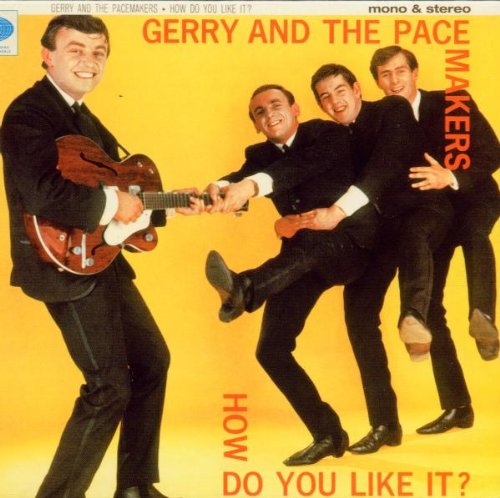
In addition to releasing their debut album, «How Do You Like It?» this month, Gerry and the Pacemakers also released their third single, You’ll Never Walk Alone. With this third single, they became the first band to hit #1 with their first three single releases, a record they will hold for around twenty years or so, if I read it correctly…
You’ll Never Walk Alone is originally a show tune from a musical called «Carousel», which started on Broadway in 1945 and found its way to West End, London, in 1950. After Gerry and the Pacemakers took this song to #1 in the UK, it evolved into an iconic song in the UK and Europe, but not in the sense one would think. Cause You’ll Never Walk Alone is in 2025 more associated with football than anything else. Liverpool F.C. adopted the song after it became a hit in the UK when the DJ at Anfield played the ten most popular songs in the UK before every game (the band is from Liverpool, by the way, and managed by Brian Epstein). As soon as «You’ll Never Walk Alone» fell out of the Top 10, the Liverpool F.C. fans started demanding ‘’their song’’ back. Since then, it’s been sung before every home game, and the club has taken the words You’ll Never Walk Alone as a club motto. It hasn’t stopped with Liverpool F.C., though. Multiple clubs around the world are now singing it before games, from Germany to Japan, from football to hockey. So yeah, this song has probably left the music world and entered the world of sports completely by now.
I’m a Manchester United fan, though, so I hate this song with all my heart. It’s gotten to the point where I don’t even think it works as a song; there’s no correct structure to it, it’s just a load of crap. I know that’s unfair, but it’s also very interesting. Cause there are probably millions of people around the world who hate this song just as much as I, just because it’s associated with the wrong football team. I find that very fascinating.
Enough of that for now. Gerry and the Pacemakers have released their debut album, and considering the success of their singles, I would’ve guessed that this album would be pretty good. But that’s not the case in my opinion. None of the first two singles are added to the album, and if we look past the song I’ve already written about, there aren’t really any other ones that measure up. The opening track, A Shot of Rhythm and Blues, is ok, the same goes for You’re The Reason, Where Have You Been, and Slow Down, but I gotta say that this is just an album of fillers, and absolutely no killers.
THE SEARCHERS – SUGAR AND SPICE
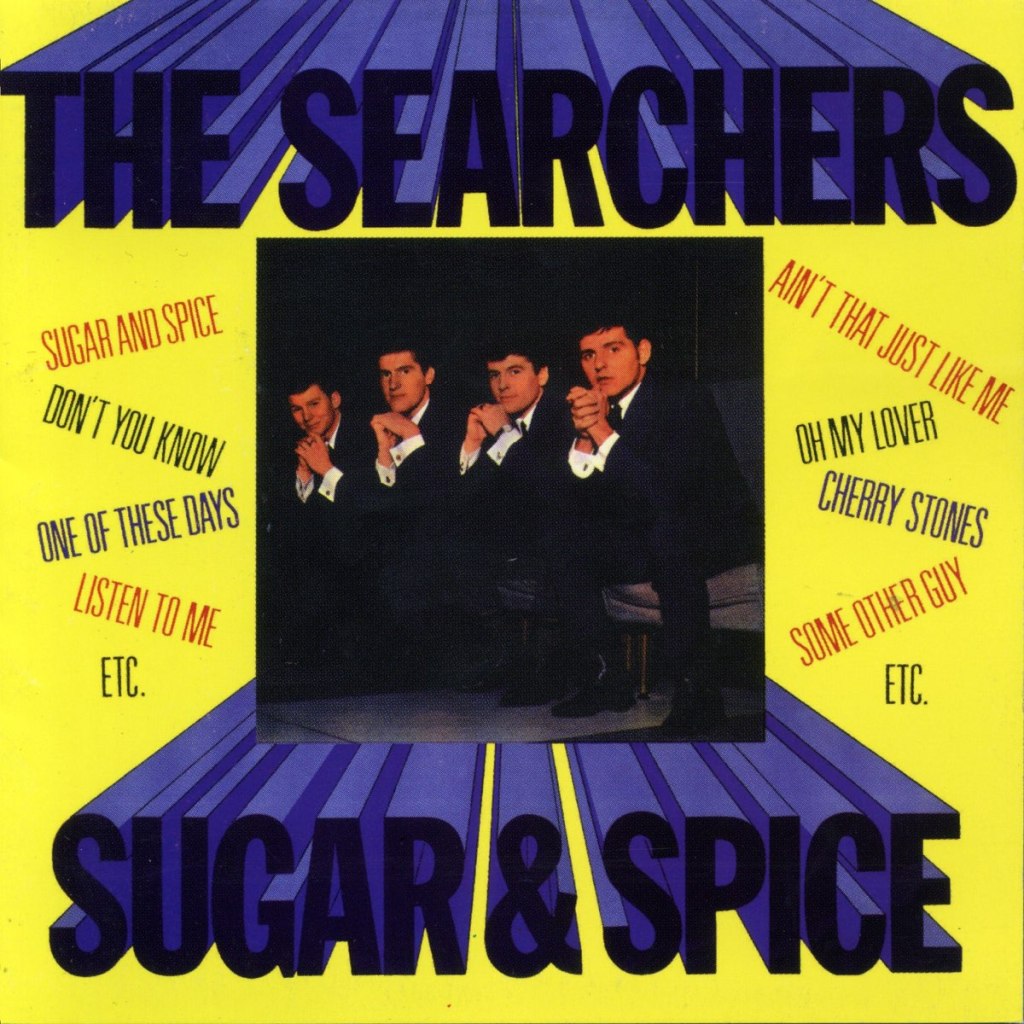
With the ‘’Merseybeat’’ explosion in the UK, there are a lot of bands from Liverpool at the moment. The Searchers released their second album this month, and together with the Beatles and Gerry and the Pacemakers, they make up the three most popular bands in that genre in the UK at the moment. Sugar and Spice was released just two months after their debut album, which is probably due to their success with the single also called «Sugar and Spice». Cause two months sure seems like a rush job.
Even though this album is better than Gerry and the Pacemakers’, it’s not remarkable at all. I believe The Searchers has a mix between the Beatles and the Everly Brothers in their sound that makes it easier to like than the Pacemakers, cause Gerry sure sounds a lot more like a scouser than any of the other Liverpool bands I’ve encountered so far. However, the material that The Searchers has gathered on this album isn’t strong enough to be called anything other than ok.
I do like some tracks, though. Sugar and Spice, One of These Days, Don’t Cha Know, and Cherry Stones are probably the ones I might listen to another time, or at least play to someone who hasn’t listened to The Searchers before. It’s also funny that they recorded a song that will be sung in football stadiums as well, Saints and Searchers. But they are not credited with that feat at all, I think.
The Jazz Messengers formed back in 1954, or 1955, depending on who you ask. But all the way back in 1947, Art Blakey led a group called Art Blakey’s Messengers for his first recording session as a leader for Blue Note Records. I guess the most important thing is that they have been around a long time, and that a lot of great jazz musicians have filtered through the group. It wasn’t until 1958 that a line-up of the Jazz Messengers would really make its mark, though. With the album «Art Blakey and the Jazz Messengers», they scored their biggest hit Moanin’, and recorded two other songs that would become Jazz classics, Blues March and Along Came Betty. Their latest album, «Ugetsu», a live album recorded at Birdland in New York City, showcases what can only be called a great jazz group. At this point, they’re performing as a sextet with names like Wayne Shorter and Freddie Hubbard, and of course, their leader Art Blakey on drums. This is the kinda jazz that I can listen to, as it’s both fun, exciting, and not too far-fetched. The group had just finished a tour in Japan, and the tracks Ugetsu and On The Ginza pay homage to the great country in the far east.
FRANCOISE HARDY – (LE PREMIER BONHEUR DU JOUR)
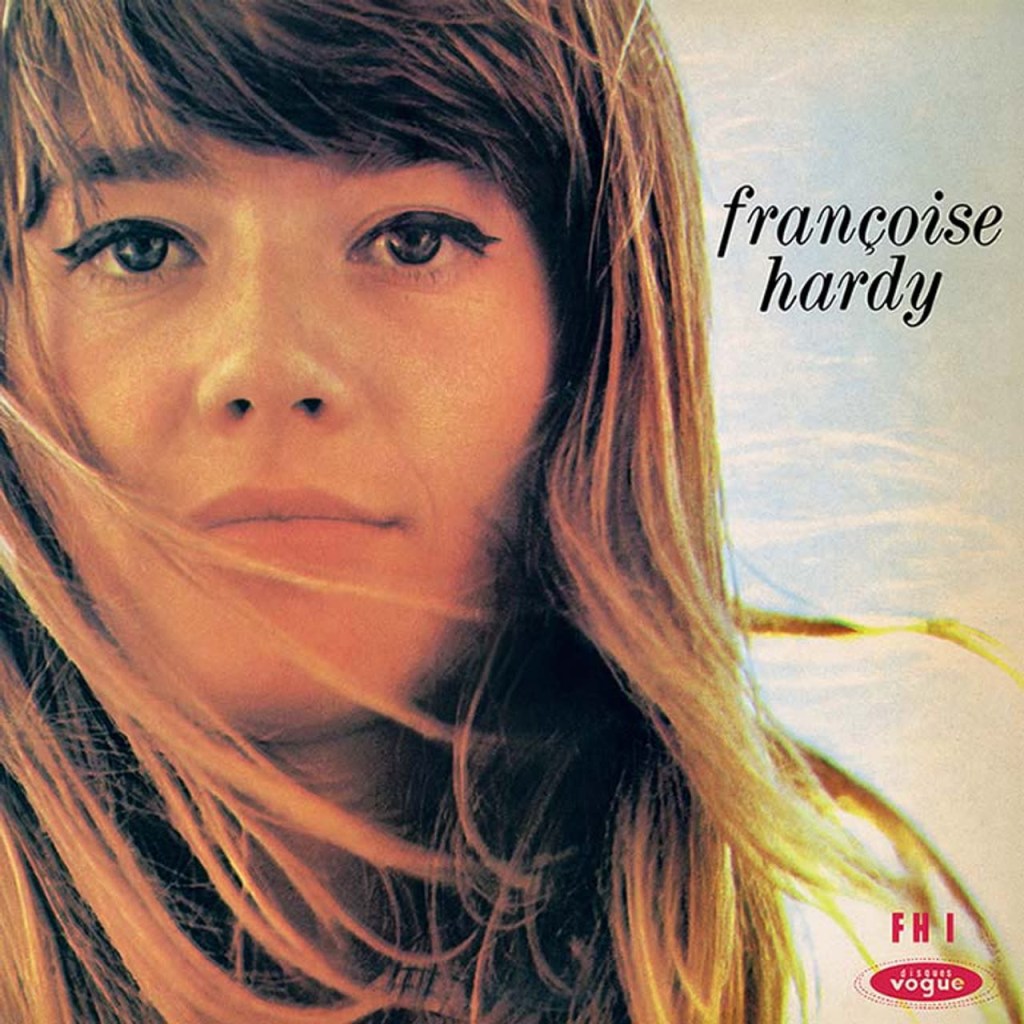
Francoise was born in Paris during World War II, supposedly during an air raid that made the windows of the clinic explode. According to a French Radio interview, she has blamed this event for her anxious temperament as an adult. Cause she apparently struggled with anxiety and insecurity issues, which also led her to eventually dislike the celebrity life. She started her music career in 1961, and if what I’ve read is correct, it seems to me that she was basically accepted to a music school and landed a record deal just because of her looks.
After the release of her debut album last year, she was almost instantly crowned the queen of yé-yé music in France (even though the phrase wasn’t really coined until this year), and when she filmed a music video(!) for the great song Tous les garçons et les filles which was aired on the TV show «Toute la chanson» (and during a commercial break during the results of the presidential election), she kinda blew up. The song became most popular among the youth in France, especially with teenage girls, and was all over the radio stations. Her debut album was also awarded the Trophée de la Télevision and the Grand Prix du Disque, two French awards àla the Grammy or something, I guess, and sold over 2.5 million copies.
Earlier this year, she signed a new 5-year contract with Disques Vogue, and this month she’s releasing her second album, which is usually referred to as «Le premier bonheur du jour». Only her name is typed on the album cover, which was the same thing she did with her debut, and both albums are now known by the title of the most popular song on the releases. In addition to releasing an album this month, she also received the ‘’Youth’’ Edison Award at the Grand Gala du Disque in the Netherlands.
And the new album, spearheaded by the song Le premier bonheur du jour, is almost as good as her debut in my opinion. Her soothing, relaxed voice is what stands out for me on this album, and she manages to hold my attention throughout without many problems. The material is not as strong as on her debut, where she wrote ten out of twelve tracks herself, and maybe that’s the biggest problem, cause on this album she has only written four. Comme tant d’autres, J’aurais voulou, Nous tous, and L’amour ne dure pas toujours are the four tracks penned by Francoise Hardy, and I’m gonna let those, plus the title track, be the standout tracks on this one.
UNKNOWN RELEASE DATE
JACKIE DESHANNON – JACKIE DESHANNON
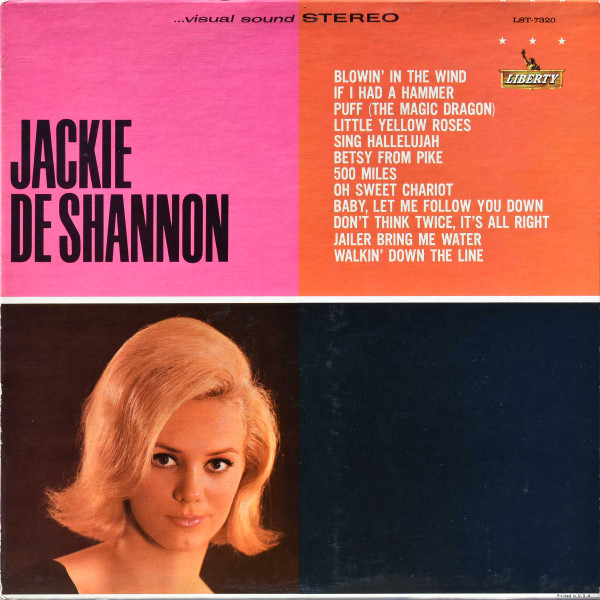
Jackie was born Sharon Lee Myers, but decided that Jackie DeShannon sounded cooler than Sharon Lee at some point in her career. I’m not sure I agree, but there was probably some record executive pulling some strings as well. Anyway, at the tender age of six, Jackie was already singing country tunes on a local radio show, and when she was eleven, she hosted her own radio program. I don’t know how an eleven-year-old gets her own radio show, but I’d sure like to hear it, cause she must have had some serious talent. Even crazier is that she seems to have kept this gig for some years, still doing the show when she was thirteen.
At sixteen, she signed a record deal with a label called Gone, promoted as a rockabilly artist, and here she changed her stage name to Jackie Dee. Before this, though, she had released some recordings under different names like Sherry Lee (I’m Crazy Darling) and Jackie Shannon (I’ll Be True and Buddy), but none of them amounted to much. Her first charting single was released last year when The Prince peaked at #108, but her biggest hit so far, Needles and Pins, was released earlier this year as it went all the way to #1 in Canada. In the US, however, it only got to #84.
«Jackie DeShannon» is her debut album, released on Liberty Records, and the only single from this album was Little Yellow Roses, paired with Oh Sweet Chariot. I love her version of «Oh Sweet Chariot», the absolute coolest version of this song that I’ve ever heard. I actually figured out the story of her stage name, by the way. She apparently chose Jackie DeShannon because she believed it was the name of one of her ancestors, and she liked Jackie because it could be both male and female. Her reasoning behind that was that her voice was very low and could be heard as either male or female. I guess someone could mistake her for a male singer, but you gotta be kinda deaf to come to that conclusion though. I would say she reminds me a bit of Dolly Parton at times, but her voice is definitely one of a kind and her best attribute.
The album wasn’t a success, but personally, I kinda love it. She does some great versions of tracks like Walking Down The Line, written by Bob Dylan, Jailer Bring Me Water, written by Bobby Darin, 500 Miles, written by Hedy West, and Sing Hallelujah, which is probably my favorite on the album. She’s borderline folk/folk rock, and a great discovery for me. She’ll supposedly be more successful as a songwriter in the future, but I’ll try to write about more of her releases as time goes by.
JOHN FAHEY – DEATH CHANTS, BREAKDOWNS AND MILITARY WALTZES
John Fahey was a record collector, and through this hobby, he discovered early blues music like Blind Willie Johnson. He also collected bluegrass and country-style music and hung out with a musicologist friend. This is probably where John Fahey gathered most of his inspiration. In 1952, he bought his first guitar from a Sears catalog, and as he got better, he developed a picking style that blended the old blues patterns that he discovered collecting records with the 20th-century classical composers that he liked. In 1958, he made his first recordings for a friend’s amateur label, Fonotone, pressed in very small runs, but these recordings will resurface in 2011 on a box set called «Your Past Comes Back To Haunt You: The Fonotone Years 1958-1965».
The year after, he recorded some more music and decided to release it on his own label, Takoma Records. John didn’t really expect real record labels to be interested, and had no idea how to approach them, so he DIY’d it. The album was printed with John Fahey on one side and Blind Joe Death, a nickname he’s been given by some blues fans, on the other side. With only 100 copies printed, the original pressing is very rare, and according to Wikipedia, he kinda just gave the copies away, snuck them into record stores, and sent them to music scholars. At the time of its “release” it made no impact whatsoever on anything, but in 2011 «Blind Joe Death» (as it is called now) was deemed culturally, historically, or aesthetically important by the Library of Congress in the US.
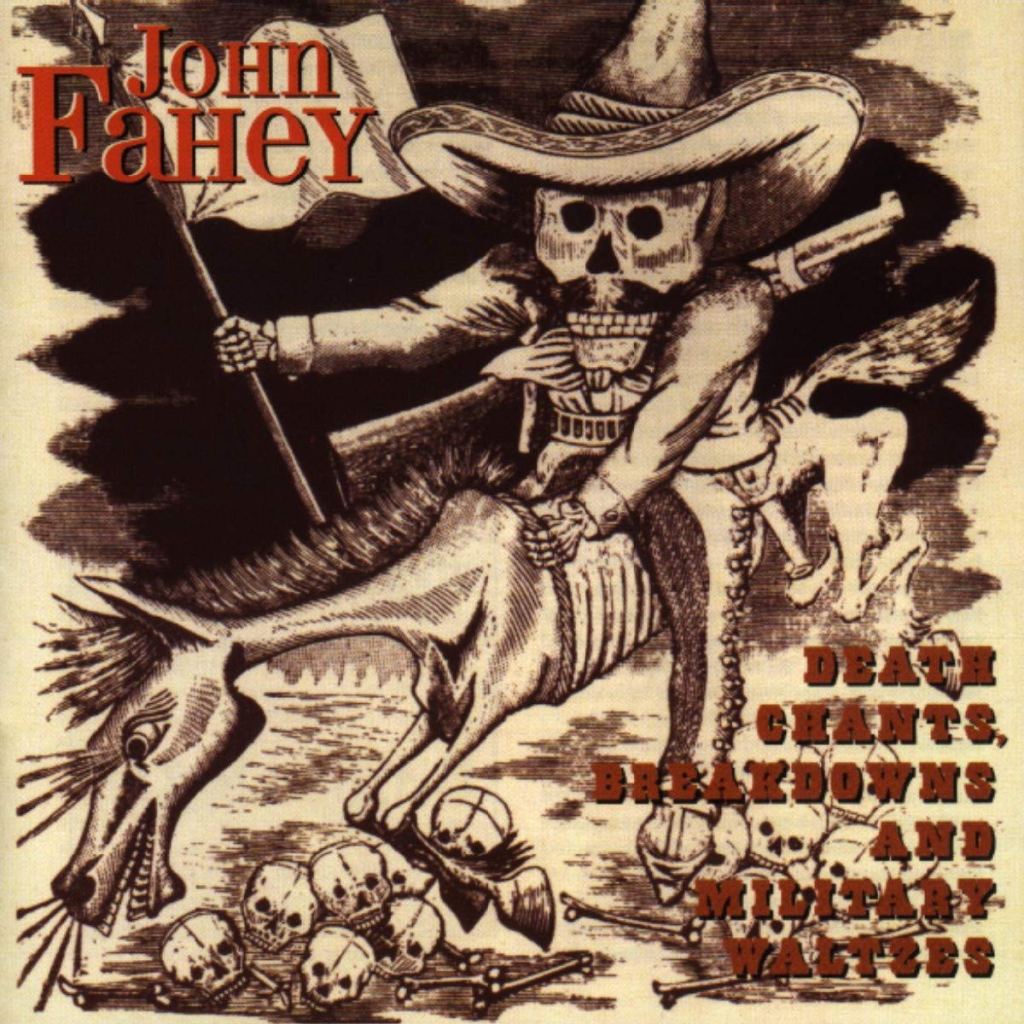
«Death Chants, Breakdowns And Military Waltzes» is his second album and was released this year. Takoma Records had just released a record by Bukka White, a blues legend John Fahey rediscovered in the same way as Mississippi John Hurt was earlier this year, and John was surprised when his own album sold better than Bukka’s. This is the first time I’m listening to John Fahey, and to be honest, I had never heard of him before. It was just the album title that spoke to me when I was searching for releases, and I sure am glad that I wrote it down. At first, when I read about him and realized it was just guitar music and no vocals, I was a bit skeptical. I was picturing quick fingering, elaborate arrangements, and tedious songs. But John Fahey is something completely different.
The way he plays is so soothing and eerie, something like I’ve never heard before, and the music hypnotizes me into something that has to be close to zen. He has a style that is so calm and meticulous that he just leaves you in awe. I’m 100% smitten by John Fahey and his music on this album, and I recommend it with all my heart to anyone who likes folk, blues, and guitar. He has composed all the tracks himself, and listening to the album feels like sitting in his living room listening to some tracks he’s been working on and wanted to show you. The opening track, Sunflower River Blues, grabs a hold of me from the first chord and sends me into a trance that doesn’t let go until the last chord of the album. Stomping Tonight on the Pennsylvania/Alabama Border is great, Take A Look At That Baby is upbeat, The Downfall of the Adelphi Rolling Grist Mill is weird, and the rest makes this album complete. I’d never thought an instrumental guitar album could excite me like this, but that’s also why I love this project as much as I do.
HEDY WEST – ACCOMPANYING HERSELF ON THE 5 STRING BANJO
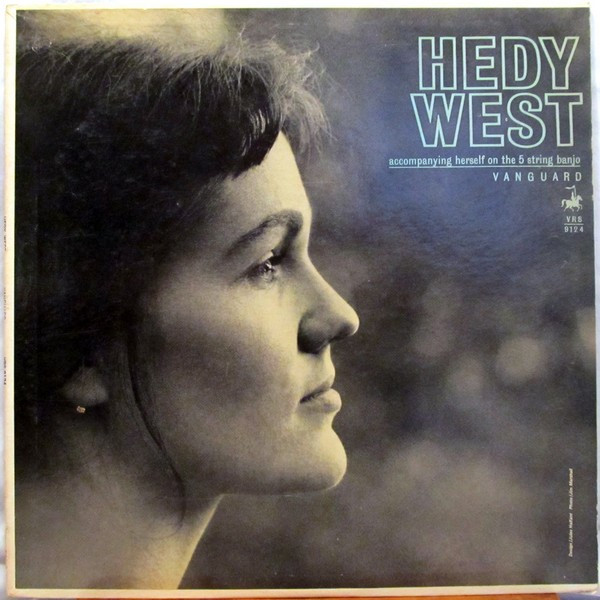
The folk revival at the start of the ‘60s brought forward some great female voices like Joan Baez and Judy Collins, but Hedy West is someone I’ve never heard of until I figured out that she was the one who wrote the song «500 Miles». She’s from the mountains of northern Georgia (the state, not the country), so when she moved to New York to study and realised that there was a folk revival going on in Greenwich Village, she felt right at home, and the folk scene loved her.
Hedwig Grace West has written all of her songs for her debut album, which is pretty damn awesome. I’ve read that a lot of her songs are handed down from her grandmother, and are songs that Hedy has been singing, playing, and listening to her grandma play all through her childhood. And I guess we’re all thinking the same thing. Shouldn’t the songs be credited to her grandmother then? However, grandma might not be alive at this moment, and for all we know, she gave them all to her grandchild, who could give these songs to more people than grandma ever could. Still, grandma or grandchild, I find it pretty cool.
«Hedy West Accompanying Herself On The 5 String Banjo» might be a part of the folk revival, but it sounds a lot more like a real folk album. The feel of the songs, the performance of Hedy, everything seems way too authentic to be part of a revival. So in that sense I can agree with the ones that said Hedy was the stand-out artist in the folk revival, but again, I do enjoy listening to some of the other artists in this ‘’movement’’ a lot more. Hedy is awesome, though, and I can’t wait to listen to what she offers up next.
Check out the original 500 Miles, Shady Grove, Bury Me Not On The Lone Prairie, and Miner’s Farewell (Poor Hardworking Miners) to get a feel of what Hedy West is all about.
THE SINGLES
I’ve already mentioned that the Beach Boys and Gerry and the Pacemakers released singles that were added to their albums this month, so I’m not gonna write anymore about those songs here. If you wanna, you can head back up to the album section and see which songs they released.
Jimmy Gilmer and the Fireballs hit it big with the last song I wrote about from them, Sugar Shack, even breaking into the R&B chart and peaking at the top spot. Their latest single, Daisy Petal Picking, will become their second biggest hit, reaching the #15 spot on the Hot 100 sometime next year. It might sound a bit like «Sugar Shack», probably thinking that it would be smart to do something similar, but I’m not completely convinced by any of them. They both have that novelty feel about them that I just can’t shake, and that ruins everything for me. Daisy Petal Picking is not a bad track; it’s catchy and whatnot, but it’s no more than a footnote in music history.
The group formed back in 1957 as an instrumental group and reached the Top 40 earlier with the songs Torquay, Bulldog, and Quite A Party. When three of the original members added Jimmy Gilmer to the mix, the band left the instrumental genre, and that’s kinda where we are now. The B-side is When My Tears Have Dried, which is a non-album track.
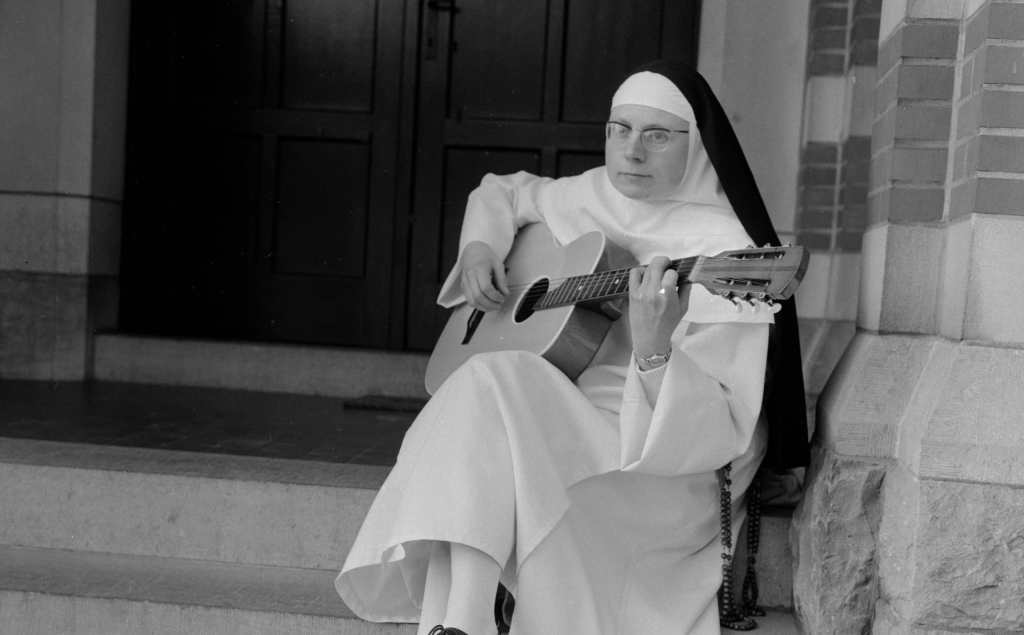
‘The Singin Nun’, as she was called in English-speaking countries, was Soeur Sourire, a Belgian nun who liked to sing and play guitar. I’m not 100% sure that she was a nun, but she was religious and lived in a convent, and that probably translates to being a nun. Her fellow nuns, her religious superiors, and visitors thought she and her songs were really good, and she was encouraged to record something so her convent could earn some extra cash (this was probably not what they told her, but the church has always been the same, always looking out for number one).
Jeanne-Paule Marie Deckers, as her given name was, left for Brussels in ‘62 to record her album, which was released in August this year, and to everyone’s surprise, it became a hit. Her single, Dominique, released this month, went all the way to #1 on the Hot 100 chart, making her the first Belgian artist to go #1 in the US. Her album ended up selling more than 2 million copies, and all of a sudden, a nun from Belgium was one of the biggest artists in the world.
Obviously, this didn’t last. First of all, Jeanne got little, or nothing, of the money made from the recording, all of it going to the record company and her convent. Her next album was forgotten as soon as it was released, and in 1966, she left the money grabbers to join another religious thing called the Third Order of Saint Dominic. After her departure, which was supposedly not her decision, she was denied contact with the other nuns, and she had to give up her artist name. This all eventually led to her music career being over. Jeanne was reduced to poverty and eventually took her own life in 1985, together with her partner Annie Pécher.
Dion released his first single in 1957 after he auditioned for a record label called Mohawk Records. The Chosen Few was released as Dion and the Timberlanes, a backup group that Dion didn’t know, and supposedly didn’t like. He didn’t like the song either, for that matter, but it did become a minor regional hit in Boston. However, when he was done recording, he went back to his own neighborhood and recruited his own guys to form Dion and the Belmonts. Dion and the Belmonts got off to a flying start with I Wonder Why, peaking at #22 in the US, following up with No One Knows, Don’t Pity Me, A Teenager In Love, and their biggest hit, Where Or When, which went all the way to #3.
In 1960, Dion went to rehab for heroin addiction, something he had struggled with since he was a teenager, and eventually left the group, focusing on his solo career. His first single, Lonely Teenager, was a hit, but he then followed up with material that made people think he was gonna fade away into oblivion; however, Dion had some tricks up his sleeve. Runaround Sue, The Wanderer, Lovers Who Wander, and more made him a major star who suddenly toured the world, appeared in films, and even released a couple of successful albums.
In late 1962, he signed with Columbia Records, as their first rock’n’roll artist, and continued his visits to the Top 10 with tracks like Ruby Baby, and his latest hit Donna The Prima Donna. This month, he released Drip Drop, a remake of a Drifters song, which he took to #6 on the Hot 100 chart. Not an instantly lovable song, but it grew on me. It’s paired with a slower tune called No One’s Waiting for Me.
I don’t think I’ve ever listened to any of Wayne Newton’s music before, but he is, of course, not an unknown artist to me. His name as an entertainer is well known throughout the world, but in my head, he’s always been just that: an entertainer. I’ve never really considered him to be a recording artist, nor a touring musician. I guess I’ve always just thought of him as a sort of…I don’t know, a character in some sort of TV show I’ve never seen. Lo and behold, though, Wayne is a real artist, and he’s releasing his third single this month. Of course, he’s not yet the legendary entertainer known as ‘Mr. Las Vegas’ and ‘Mr. Entertainment’, but he’s already had his first Las Vegas experience. Five years ago, when he was fifteen, he and his brother got an engagement in the City of Sin at the Flamingo. They were offered a two-week contract, got a one-year contract at the end of the two weeks, and ended up playing six days a week for five years.
Considering this is his third single, I’ve missed two of them. His first single, Heart! (I Hear You Beating), went to #82 on the Hot 100 chart. Danke Schoen, his second single, went to #13 on the Hot 100 and #3 on the Adult Contemporary. It will also end up as one of his biggest hits, kinda cementing the fact that he wasn’t a big recording artist. His third single, Shirl Girl, released this month, will stop at #58 on the Hot 100. All three singles were released in 1963, and all of them are credited to the Newton Brothers.
Shirl Girl is paired with Someone’s Ahead of You, and both songs are better than I would have thought them to be. They are ballads, but they are catchy, as there are parts in both songs that stand out and stick in my brain. I did have some trouble believing this was Wayne singing, though, as I was sure it was a woman. And an Eastern European at that. But no, this is Wayne Newton, and his voice is pretty special. I’ve also read that he has a perfect pitch, so I guess he was made for singing.
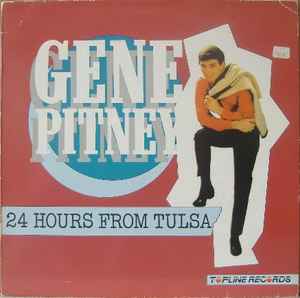
Gene Pitney started his recording career in 1959 as part of a duo called Jamie and Jane with Ginny Arnell. I guess Gene and Ginny didn’t sound good enough. They released two singles on Decca Records, Snuggle Up Baby and Classical Rock and Roll. Later that same year, he released his first solo recording as Billy Bryan on a label called Blaze, but it doesn’t look like Cradle of My Arms made much of an impression on the public. His first single under his real name was I’ll Find You, but Gene was still struggling to make an impact. It wasn’t until 1961, when he released the self-penned (I Wanna) Love My Life Away, that he hit the Top 40. It went to #39 in the US, but also charted in the Top 40 in the UK, Canada, and Australia.
Since then he’s charted with nearly all his singles in Canada, hit the Top 10 in the US with two singles, (The Man Who Shot) Liberty Valance and Only Love Can Break a Heart (both songs covered here at This Band Could Be Your Life), and this year he has released three singles, Mecca, True Love Never Runs Smooth, and this months release, 24 Hours From Tulsa.
24 Hours From Tulsa was Gene’s first single to break into the Top 10 in the UK and gave him his breakthrough there with more Top 10 hits coming in the next years. The song is written by Burt Bacharach and Hal David, and is the second song in a very short time written by Bacharach, which is about infidelity. I don’t know what’s happened in his life lately, but considering they’re both written from a male perspective, I guess his wife (if he has one) should watch out. «24 Hours From Tulsa» is a fine song, though, and probably my favorite from Gene Pitney so far. It’s catchy and it’s country, can’t ask for much more from Gene Pitney at the moment.
The B-side is a tune called Lonely Night Dreams (Of Far Away Arms).
Robert Luis Ridarelli got his stage name, Bobby Rydell, after he was recruited to the cast of a TV show called ‘TV Teen Club’ when he won their talent show. He was only eight years old at the time, and he stayed on for several years after that. With Bobby being described as a teen idol in the early ‘60s, I’ve painted my own picture of this guy as a voice and a face, but when Bobby was 14 years old, he played the drums in a band called the Emanons, and later he would play drums and sing in a band called Rocco and the Saints. A drummer/singer is a pretty cool thing to be, so I guess I have to re-adjust my judgment of Bobby just a tiny bit.
His first hit came after he signed with Cameo Records in 1959, when Kissin’ Time hit the Top 40 on both the Pop chart and the R&B chart. Bobby was just 17 years old at the time, and his success earned him a spot on a tour of Australia with artists like the Everly Brothers and The Crickets. Bobby kept the good times rollin’ with tracks like We Got Love, Little Bitty Girl, Volare, and went on to sell millions of records. Earlier in 1963, he released a song called Wildwood Days, which in 2014 would earn him a mural on the boardwalk of Wildwood, New Jersey, and in April, the movie «Bye Bye Birdie», where Bobby has a part, was released. A lot’s been going on for this guy these last four years, but this month’s release, Forget Him, will be his last big hit.
Forget Him will peak at #4 on the Hot 100 chart, and it also charted in the UK, where it was released back in May this year. According to Paul McCartney in ‘The Beatles Anthology’, this song gave him the initial idea for She Loves You, and I guess that’s something to be proud about. The song isn’t amazing, but it’s an easy track to listen to. The B-side, however, is a lot better in my opinion. Love, Love Go Away hasn’t been easy to find any information about, but I’d rather listen to this one if I had to choose.
The Impressions released It’s All Right as a single this month, but it was also a part of their debut album «The Impressions» released in August earlier this year. The song was one of the best songs on the album, though, so it’s well worth a re-listen. And I’m actually loving it even more this time around. It will also end up as The Impressions’ biggest hit, peaking at #4 on the Hot 100 chart, and making it all the way to #1 on the R&B chart.
The B-side is a track I haven’t heard before, and You’ll Want Me Back makes this a single that should be in everyone’s record collection. Both songs are written by the lead singer, Curtis Mayfield, and so far, I’ve been very impressed with what this group has done. I’ve never really listened to The Impressions before I started this project, and right now I have to say that it’s one of my favorite groups from the early ’60s. I love what they are doing with their R&B/soul music, and I can’t wait for their next release.
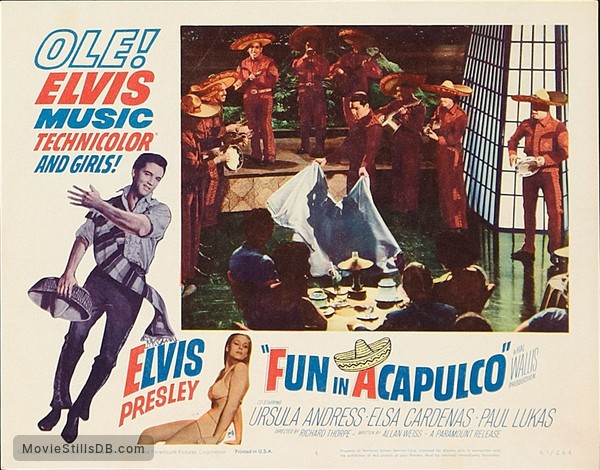
With ‘’The King of Rock and Roll’’ lost in Hollywood for what seems like a lifetime already, he’s been somewhat disappointing lately. The focus on films and mediocre soundtracks has kind of stopped the momentum of his musical career, sending him into something that might be best described as a musical purgatory. He just keeps releasing albums and movies that are uninspiring and repetitive, and it seems like he is being forcefully kept there by Colonel Parker.
This month, we’re offered up a single from his next movie, «Fun In Acapulco», which is set for release next month. Bossa Nova Baby was originally released last year by a group called Tippie and the Clovers, but it flopped, so Lieber and Stoller (who wrote the song) offered it up to Elvis Presley, hoping it would fit him better. Elvis’ version of Bossa Nova Baby is definitely more rock’n’roll than the original version, and backed by a mariachi band, this song is actually quite alright. Elvis gets to shine on this up-tempo tune, and while compared to his best, this is miles away, at least it has some rhythm and action that makes it a fun song. The song peaked at #2 in Norway and Belgium, #8 in the Netherlands and the US, and also charted in some other countries, proving, yet again, that Elvis can make money on almost anything.
The B-side, Witchcraft, I believe, is a non-album track, and it’s another pretty good tune from The King. It was originally released by The Spiders in 1955, and is being revived by Elvis as a B-side that charted at #32 on the Hot 100 in the US. All in all, this single is better than most of Elvis’ soundtrack albums, so even though he’s been disappointing in the soundtrack department lately, he’s still hitting the mark now and then with his singles.
It has taken almost five years, since the group formed as the Primettes in 1958, for the Supremes to make it into the Top 40, but the ‘’no-hit Supremes’’ have finally made it. When The Lovelight Starts Shining Through His Eyes is the song that finally gave the group a hit, and while it has usually been Berry Gordy and Smokey Robinson who have taken care of the songwriting and production for the trio, this time it was Holland-Dozier-Holland. The songwriting team wrote and produced their new single, and after the success of the release, Berry Gordy appointed them to be the group’s main songwriters and producers.
The track is a hectic pop song with a lot of things going on, like handclaps and a busy drumbeat, and it really works for them. The track will eventually peak at #23 on the Hot 100 chart and #2 on the R&B chart, and will also chart in Australia. The group is still lagging behind their labelmates like Mary Wells and The Marvelettes when it comes to hits, but at least they’ve got their first hit in the bag. On the flipside, they offer up a song called Standing at the Crossroads of Love, which is also written by Holland-Dozier-Holland. This one is a bit more like the tunes we’re used to from the Supremes, though. Good, but not amazing or special. I’m glad the Supremes are up and running, and looking forward to seeing what the new partnership will bring.
It’s a bit weird, but I believe this is the first time I’m writing about Loretta Lynn. I consider her to be one of the biggest names in country music, so the fact that she has released seven singles that I missed since 1960 is a bit embarrassing. Her first single, I’m a Honky Tonk Girl, was released in 1960 and is considered to be one of her signature songs. She wrote the song at a time when she was focusing on being a housewife, and she and her husband self-promoted it by driving from radio station to radio station. It eventually peaked at #14 on the Country chart. She released three other singles in 1960 and 1961: Heartaches Meet Mr. Blues, The Darkest Day (both written by Loretta Lynn), and I Walked Away From the Wreck. In 1962, she was back on the Country charts with her first Top 10 entry as Success peaked at #6, the next one, World of Forgotten People (written by Loretta), did not chart, but in March 1963, she released a song that peaked at #13 on the Country chart, The Other Woman. That’s all the releases I’ve missed so far, and I don’t think I’m gonna miss any more.
This month, Loretta is back with Before I’m Over You. A great country song which became her biggest hit so far, reaching #4 on the Country chart. She’s had a sort of depressing theme going in her songs so far, with only two titles being either positive or neutral, but then again, this is country music, and that’s not unusual in this genre. I’m a big fan of this song, and I can understand why she’s recorded so many heartbreaking songs, cause it kinda feels like she is made for these kinda moods.
The B-side is another song about heartache, and it’s almost exactly as good as the A-side. Where Were You makes this release a really good one and proves that Loretta Lynn is someone who is going places.
Marty Robbins is back already after releasing an album last month. Begging To You is written by Marty Robbins and will become his tenth #1 on the Country chart, which is pretty impressive. The song is a great country ballad about the obvious heartache, and Marty really gets to show off how good his voice can be on this one. It’s paired with a minimalistic tune called Over High Mountain, which is just Marty and his guitar. The guitar plays a beautiful and calm melody, and I would say the instrument is the hero on this one.
UNKNOWN RELEASE DATE
Jamaican artists released a crazy amount of singles in the early ’60s, and Stranger Cole is no exception. I’m not sure how many of Stranger’s releases I’ve written about so far this year, but my plan was to write about most of them. When You Call My Name is credited to Stranger & Patsy and was released sometime this year. Stranger will team up with Patsy Todd on multiple singles throughout the ‘60s, and it looks like their collaboration started here. Stranger will not debut with an album until 1976, but he will record and release a bunch of singles before that. The duet is ok, I guess. A ska song with the production value that seems to be the standard in Jamaica at the time; not amazing. So far, I can’t say that Stranger Cole has wowed me, but I’m a big fan of ska music, so I can always find something I like with most of the tracks I’ve heard so far. As always, the music is good, but he’s lacking a bit in the vocal department. It’s a bit refreshing with the duet and a female singer, though, so it’s got that going for it.
PS. It looks like this song was the B-side to Ruff and Tuff, which I wrote about back in February (and written as «Rough and Tough»), but it’s noted as a single on its own on his Wikipedia discography.
Fools Rush In was first released by Glenn Miller and his Orchestra in 1940, and it was written by Rube Bloom (composition) and Johnny Mercer (lyrics). It has been recorded a bunch of times since then by artists like Billy Eckstine, Frank Sinatra, Brook Benton, Dion, Doris Day, Etta James, and Brenda Lee, to mention a few. But it is Rick Nelson who has released the most successful version. Rick released «Fools Rush In» this year and took it to #12 on the Hot 100 chart and #24 on the R&B chart. Personally, I kind of hate this version, and I feel it is a mess of a song with the quick melody together with Rick’s slow and uninspired vocals. It just doesn’t work for me.
It’s paired with a tune called Down Home, which I like a bit better as it at least has a guitar solo that livens it up a bit.
The Norwegian singer Åse Thoresen debuted in 1959 with the single Farvel Jimmy farvel, and had her breakthrough in Norway with Send meg et bilde kjære Kåre in 1961. I don’t think I’ve ever heard of Åse before, to be honest, so I’m not sure how big she ever was, but her latest single, Ser du Jan så hils fra meg, did spend 10 weeks on the Norwegian chart peaking at #7. The song is like lots of Norwegian music at the time; it’s pretty outdated. If I had to guess what year this song was from, I would’ve probably suggested late-‘40s or early-‘50s, but that’s obviously what works in Norway in 1963. The song is ok, I guess, but not something I would ever listen to intentionally. The B-side is a duet with Lasse Hovd, but I haven’t been able to find a version of that track. It is called Hei Paula, though, so I’m guessing it is a Norwegian version of Paul & Paula’s Hey Paula. I would’ve really liked to hear that version, so that actually annoys me a bit.
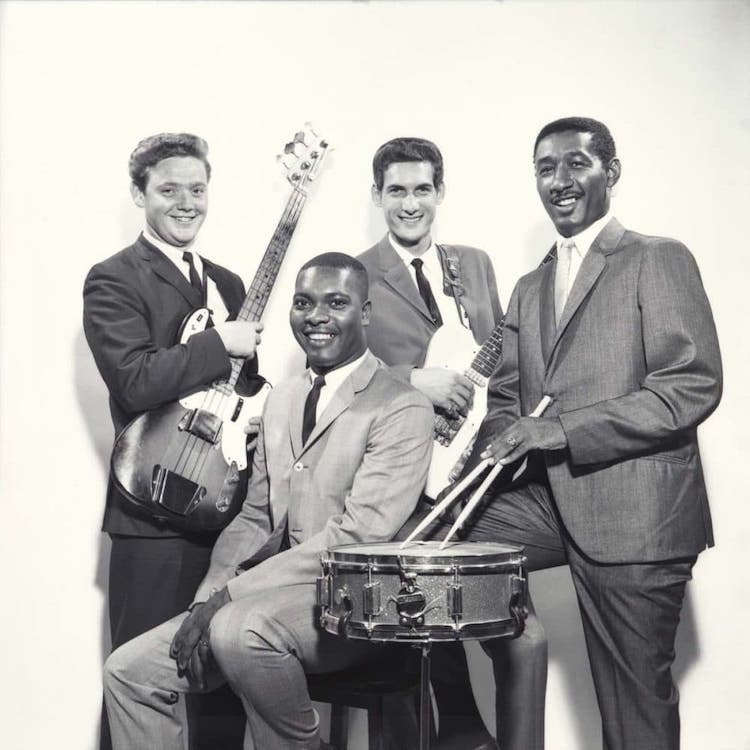
Booker T. & the M.G.’s started with a bang last year when they released their debut single, Green Onions. The tune propelled its way to #3 on the Hot 100 chart, #1 on the R&B chart, and turned the Stax house band into a force of their own. The song was something they played with while in the studio backing Billy Lee Riley, and the Stax president, Jim Stewart, happened to be in the recording booth and decided to push record. That’s the short version of how this group got started, and since then, they’ve released one album, which charted in the US and the UK, and two singles, one of which I’ve overlooked. Jellybread / Aw’ Mercy was their second single, and it charted at #82 on the Hot 100 chart in the US.
Their latest single, Chinese Checkers, is proof that this group is by far the funkiest outfit around in 1963. As far as I can tell (and I’ve listened to quite a lot of music from 1963 so far), no one is even close to sounding as soulful and funky as Booker T. & the M.G.’s at the moment, and considering that Booker T. Jones is only 18 years old, and Steve Cropper just 21, that’s a fantastic achievement. The B-side, Plum Nellie, is just as good with an amazing song structure in the fact that the music seems to come at you in waves, which is something I don’t think I’ve heard before. I’m in love with this single, and it’s absolutely one of the best singles that I’ve written about in 1963. It did not garner that kind of feedback when it was released, though, as it only charted at #78 on the Hot 100 chart. But then again, you can’t really trust people who’d rather listen to novelty tracks than real music.
The Guitar Player is a song written and released by John D. Loudermilk in 1963. It’s an ok country tune, but it’s the B-side that steals the spotlight on this release. Bad News is a song about a drifter who has a bad reputation and is considered bad news wherever he goes. It’s a tune with a slow guitar melody accompanied by Loudermilk’s great performance on vocals as he tells the story in a gloating kind of way, as the drifter who gets away with anything. A very interesting song which made it to #23 on the Country chart.
This was John D. Loudermilk’s sixth single, and the first one to make it onto the Country chart. All of his first five singles charted on the Hot 100; however, Language of Love from 1961 was the most successful, peaking at #32.
In August, I wrote about a movie where Judy Henske appeared in a small role and performed a couple of songs, and that made me realize that I had to check out what she was all about. The first single of hers I’m gonna write about is Till The Real Thing Comes Along, which is written by six people, including Judy herself. I guess the song has to be characterised as some kind of folk music, but certain elements pull it towards early rock’n’roll music. Especially the guitar solo and how Judy gets the band going right before it. There’s at least some kind of rock’n’roll attitude here that I love.
I don’t think this single charted anywhere, as I don’t think Judy Henske aimed at the mainstream audience with her music, but this is a great song. The B-side, Lonely Train, is in the same vein and pretty great as well. It’s Judy’s voice that runs the show in my opinion, with tons of passion and power.
Judy released her debut single, That’s Enough, last year, and her debut album was released sometime this year (I’ll write about that one in December). Other than that, she has appeared on a compilation called «Coffee House» from 1959, as a member of a group on a couple of records, and in the movie «Hootenanny Hoot» as I’ve already mentioned. She’s pretty new to the game still, but I gotta say that it has at least started well.
THE CHARTS
Billboard Top 10 Singles Chart
Week 1 (October 5, 1963)
- Blue Velvet – Bobby Vinton
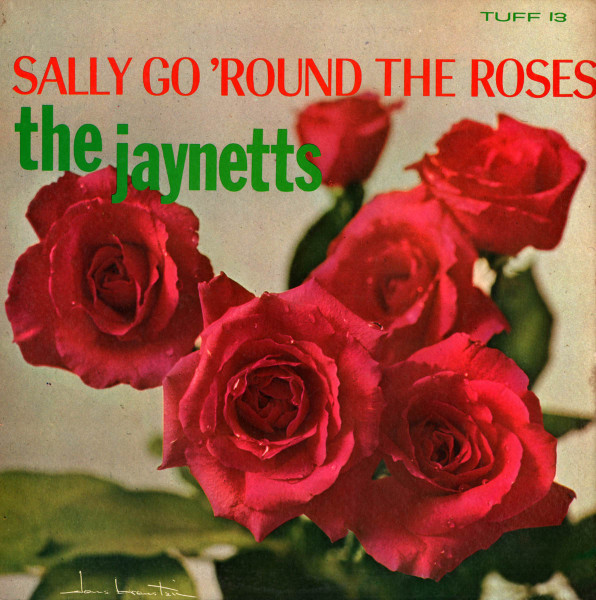
- Sally Go ‘Round The Roses – The Jaynetts
- Be My Baby – The Ronettes
Week 2 (October 12, 1963)
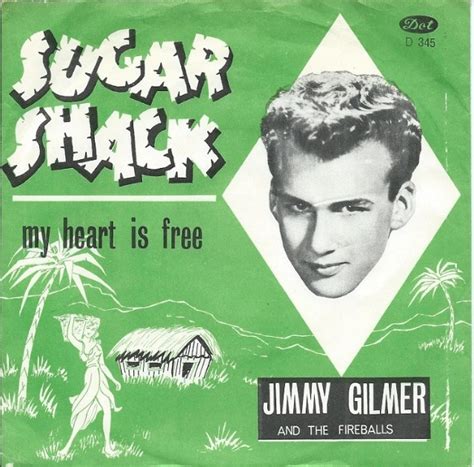
- Sugar Shack – Jimmy Gilmer and the Fireballs
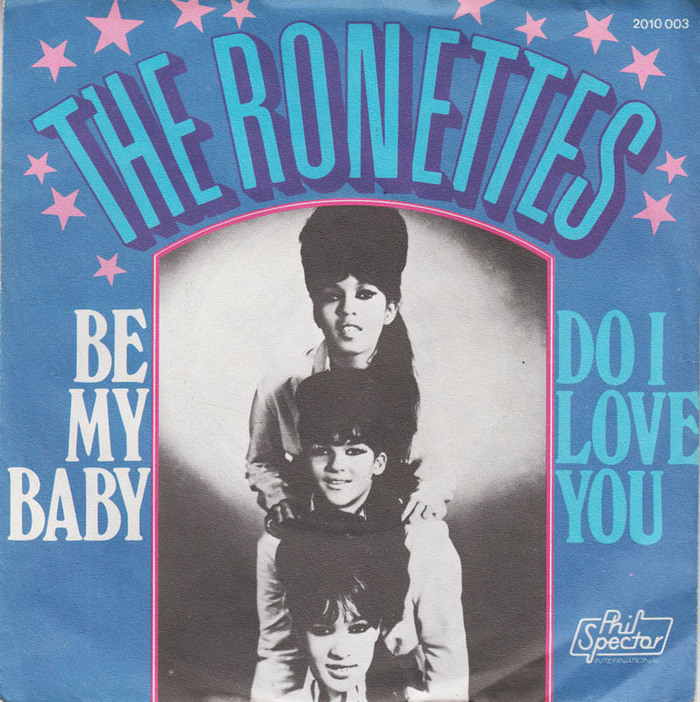
- Be My Baby – The Ronettes
- Ble Velvet – Bobby Vinton
Week 3 (October 19, 1963)
- Sugar Shack – Jimmy Gilmer and the Fireballs
- Be My Baby – The Ronettes
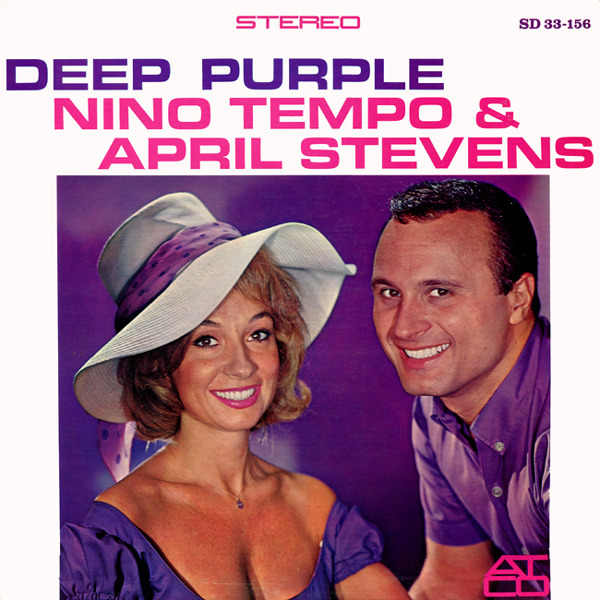
- Deep Purple – Nino Tempo & April Stevens
Week 4 (October 26, 1963)
- Sugar Shack – Jimmy Gilmer and the Fireballs
- Be My Baby – The Ronettes
- Deep Purple – Nino Tempo & April Stevens
No new entries on the Hot 100 chart this month, so we’ll go straight to the Country chart.
COUNTRY CHART
Dave Dudley’s Cowboy Boots will eventually peak at #3 on the Country chart, and it will end up at #95 on the Hot 100 chart. While Dudley will be best known for his trucker songs, this one is about a cowboy dreaming of Hollywood. Cowboy Boots is Dudley’s second Top 10 hit on the Country chart since 1955, but he’s only released eight singles in all, so that means 25% of all his releases have made it to the Top 10, which is pretty damn good. Dave Dudley started as a semi-professional baseball player, but injuries led him to playing country music.
Mountain of Love is David Houston’s first single, and it went straight to #2 on the Country chart. A great start for this guy who releases music that belongs in the ‘40s or something. It has its charm, though, but this kind of Country music is not for me.
Hank Snow is the last artist I’ll write about on the Country chart this month. Hank was born in Canada but is referred to as a Canadian-American, so I guess he managed to score American citizenship at some point. He released his first recording, My Two Timin’ Woman, back in 1948, and has released a bunch of music since then, including six songs that reached the #1 spot on the Country chart. Ninety Miles an Hour (Down a Dead End Street) stopped at #2, but it is a pretty catchy tune.
R&B CHART
Mary Wells has the only new addition to the R&B chart this month with What’s Easy for Two is so Hard for One. It’s a tune written and produced by Smokey Robinson and backed by the Motown house band, The Funk Brothers, and it made it to #8 on the R&B chart. It also peaked at #29 on the Hot 100 chart. Out of the nine singles Mary Wells has released since her debut in 1960, eight of them have made it into the R&B Top 10; actually, it’s nine, considering that this one is a B-side, and the A-side, You Lost the Sweetest Boy, will also make it to #10 at some point. That’s a pretty awesome track record.
However, I believe What’s Easy for Two is so Hard for One is my least favorite Mary Wells song so far.
Petter Milde
This Band Could Be Your Life

